


















Topas Advanced Polymers demonstrates use of COC to improve multi-layer LLDPE packaging performance

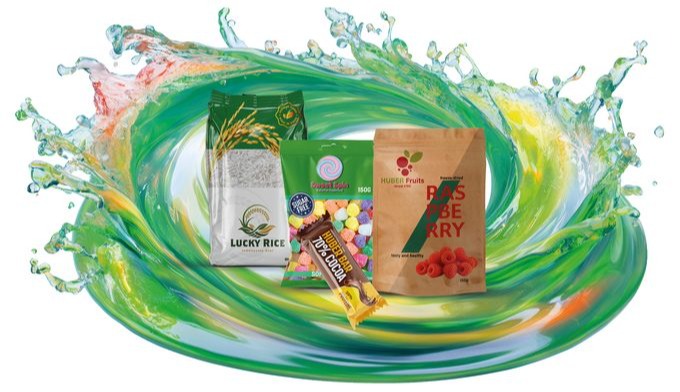
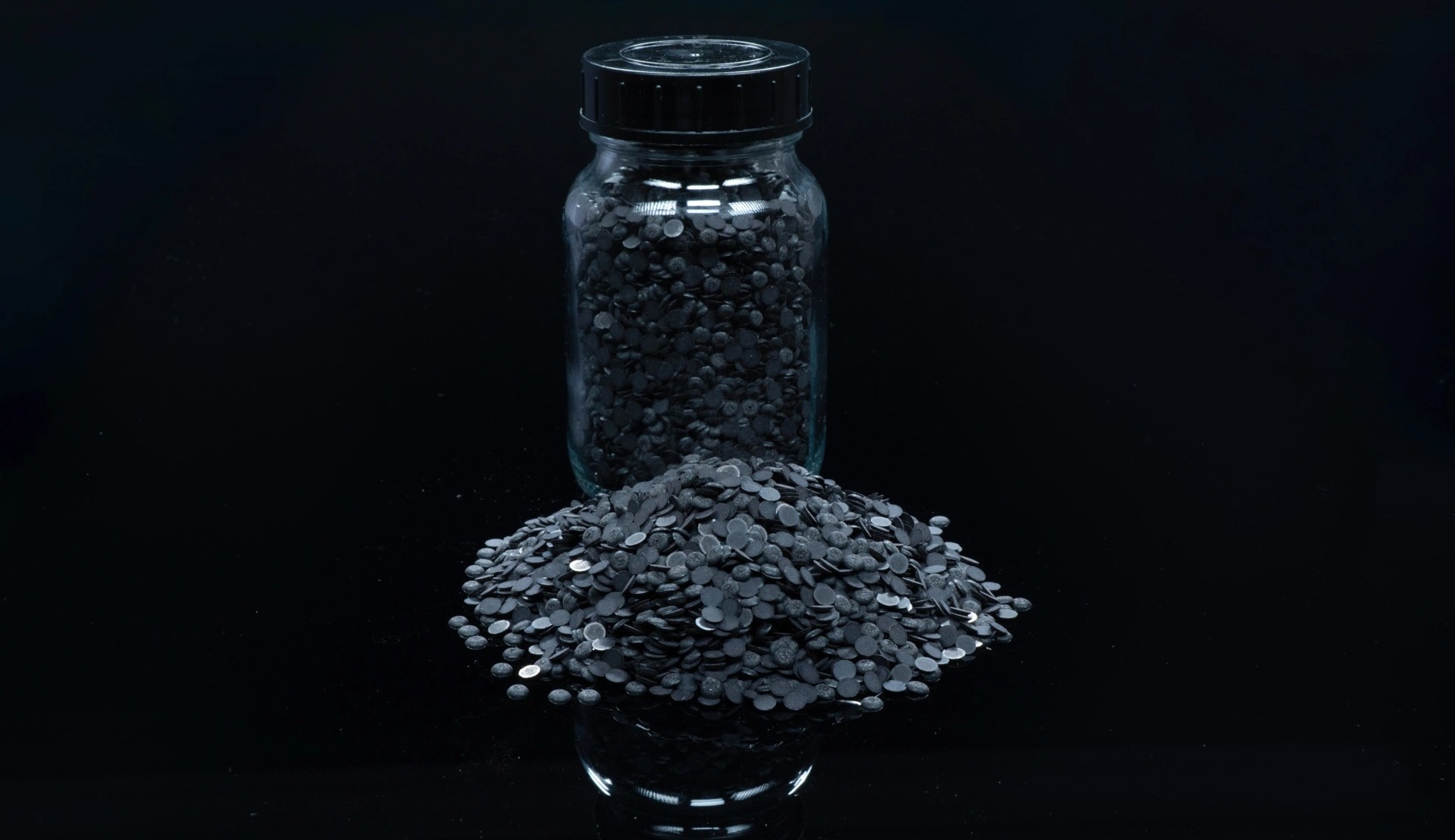
A study conducted by Topas Advanced Polymers reveals that discrete layers of cyclic olefin copolymer (COC) provide significant performance enhancements in three and five layers packaging film structures made of linear low density polyethylene (LLDPE).
Via design of experiments (DOE) methods, Topas demonstrated that COC provides greater than expected toughness, strength, stiffness, and appearance (low haze) in multi-layer packaging structures made of LLDPE.
"We found that by splitting COC into at least two layers in five-layer structures, further significant property enhancements are possible without changing COC content," explained Paul Tatarka, Market Development Manager for TOPAS.
These findings were presented by Tatarka at SPE ANTEC 2017 technical conference. His full presentation can be found here.
Topas studied glass transition temperature, COC modification, and blow-up ratio to quantify how COC influences the performance of several key blown film properties in three-layer (90-micron thick) and five-layer (152-micron thick) structures.
It found that the addition of one or more discrete layers of amorphous COC to LLDPE-based blown film significantly reduced total haze, including its internal and especially surface haze components. It also more than doubled secant modulus – a stiffness measure.
Addition of at least one discrete layer of amorphous COC modestly improves impact resistance. Films made with 65°C Tg COC modified with TOPAS E-140 have impact resistance nearly 20% greater than that of the LLDPE control film and close to the average for heavier gauge LDPE/LLDPE generic film.
Tear resistance was also significantly reduced while tensile properties were substantially improved. Splitting COC into two layers reduces loss in PE tensile strength, elongation, and impact resistance. Splitting COC into more than two layers will likely reduce this loss further, enabling efficient use of COC for all packaging film applications.