










Recycling for a better future

A bounce back is imminent
The low crude oil price is definitely hampering the post-consumer recycling market, but things are going to turnaround in the not-so-distant future, said NGR CEO Josef Hochreiter.

“I am convinced that things will be easier in 2016,” he explained. “Because we have to find ways to bring these valuable materials back into the life cycle. This is also the philosophy of NGR.”
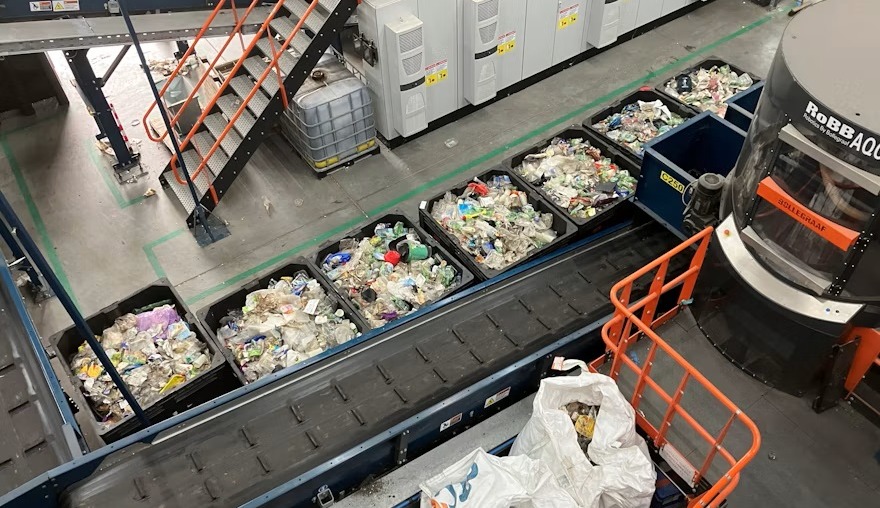
There are more than 300 million tons of plastics being produced globally every year, yet roughly 40% of them were left in the environment. “Frankly this is not sustainable for the planet,” Hochreiter emphasized.
According to him, the development is clear for post-industrial recycling because it is relatively easy to turn the scraps back into the production process. For post-consumer recycling, the path is not that simple.
“First of all, people have to change their mindset. Maybe it is necessary to work from a legal aspect to encourage and improve the collection system, so that plastics will not end up in the incinerators, landfills or the sea,” he explained.
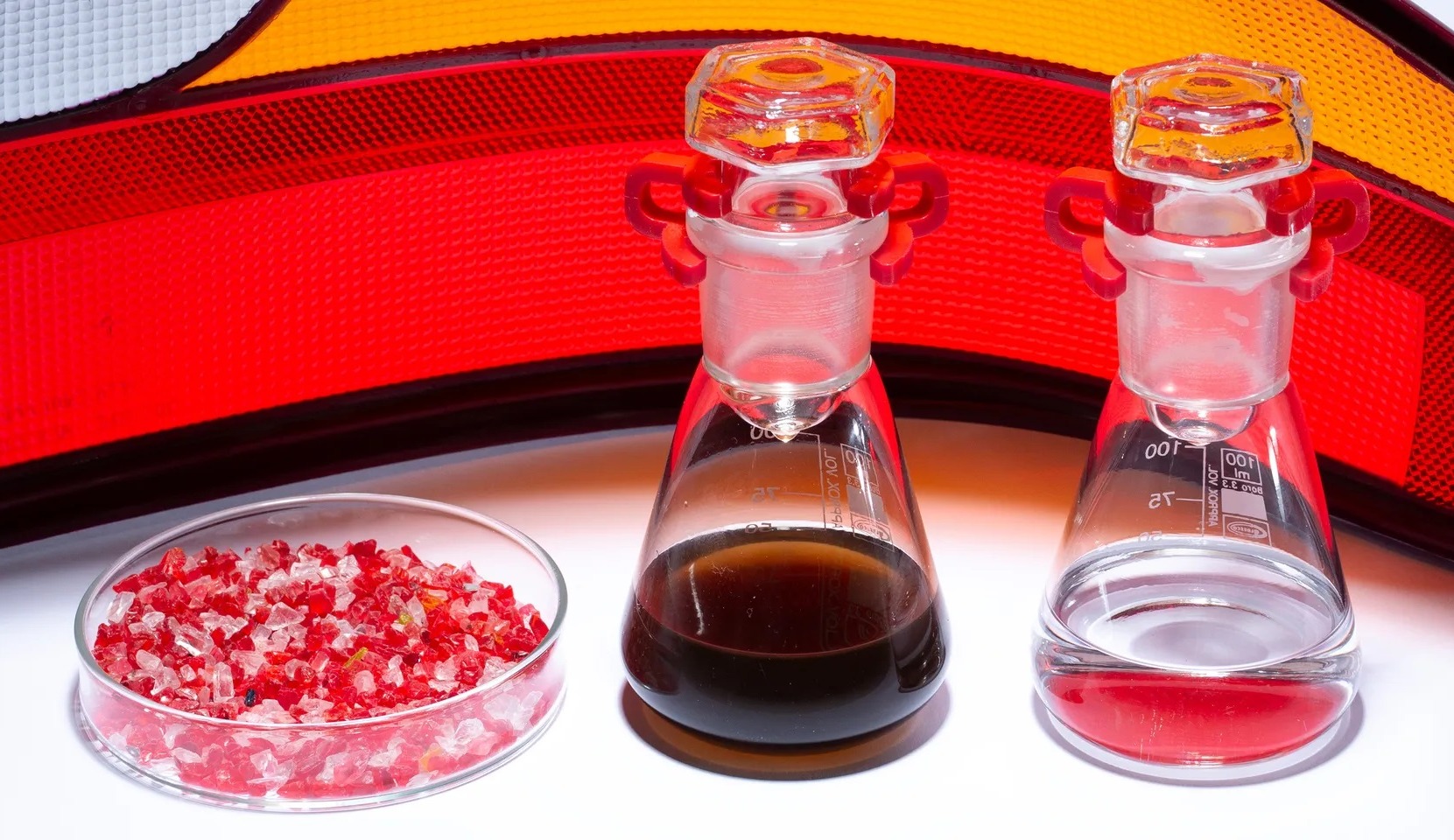
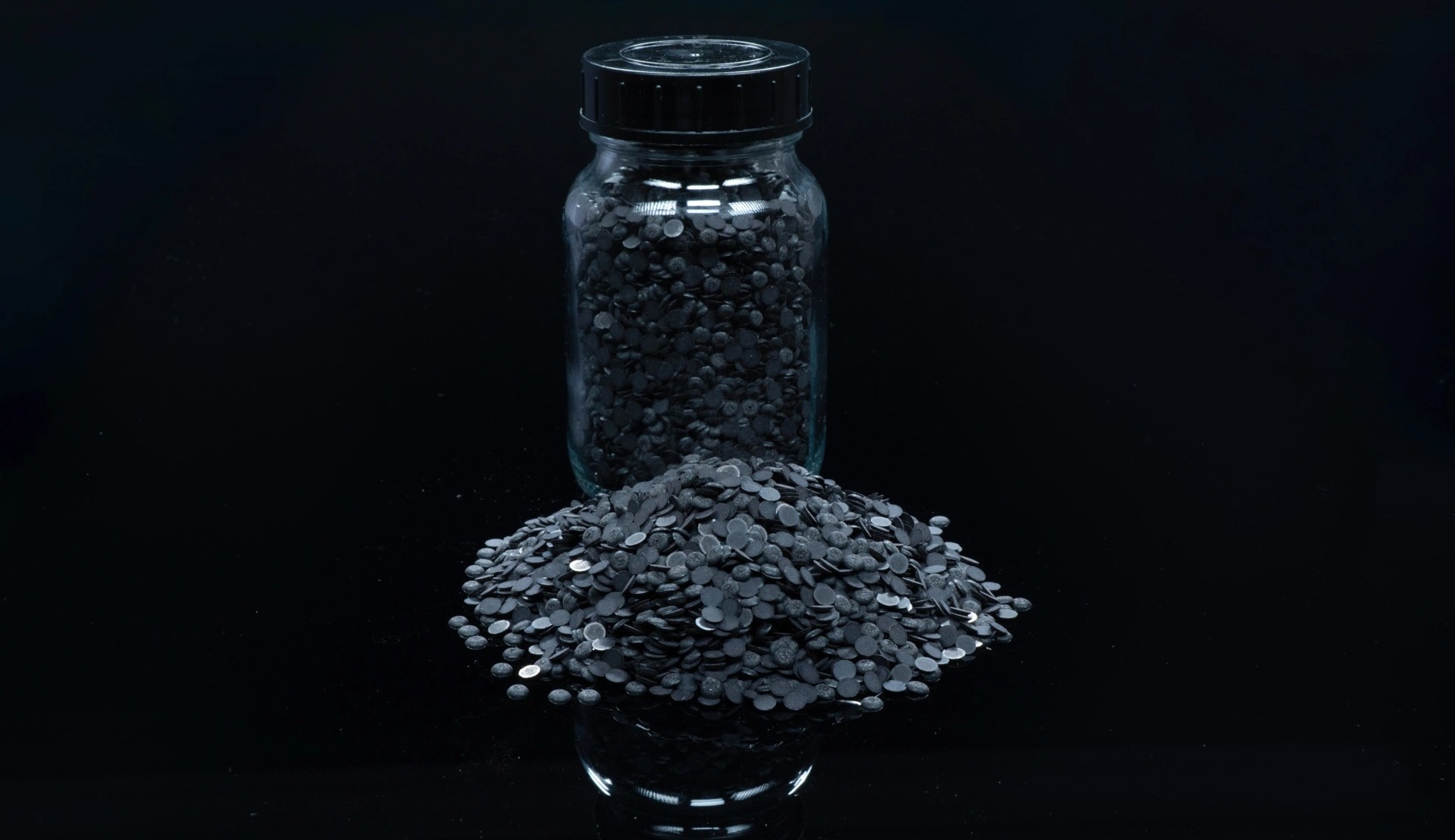
It is also important for a recycling machinery supplier like NGR to develop a better process to improve the properties of post-consumer recycled (PCR) materials, he continued. If up cycling is possible then the competition associated with price is less of an issue, for processors can improve their quality and have a better profit margin.
For a better and cleaner future, he urged the plastics industry to always consider the end of life cycle affects in the R&D process, so that as many materials as possible can be recycled.
Efforts needed from the whole industry chain
As plastics consumption grows significantly, there is enormous potential for the recycling industry, said EREMA CEO Manfred Hackl.

He suggested that there should be regulations not just for the collection of plastic waste, but to stipulate defined minimum percentages of recyclates in plastic products.
“But to turn waste plastic into high quality and recognized secondary raw material calls for intensive communication within the entire plastics industry - between raw material suppliers, plastics processors and recyclers. This is the basis for proper eco-design,” said Hackl.
It is one of the reasons why EREMA has set up a new UpCenter for upcycling testing services with COREMA technology.
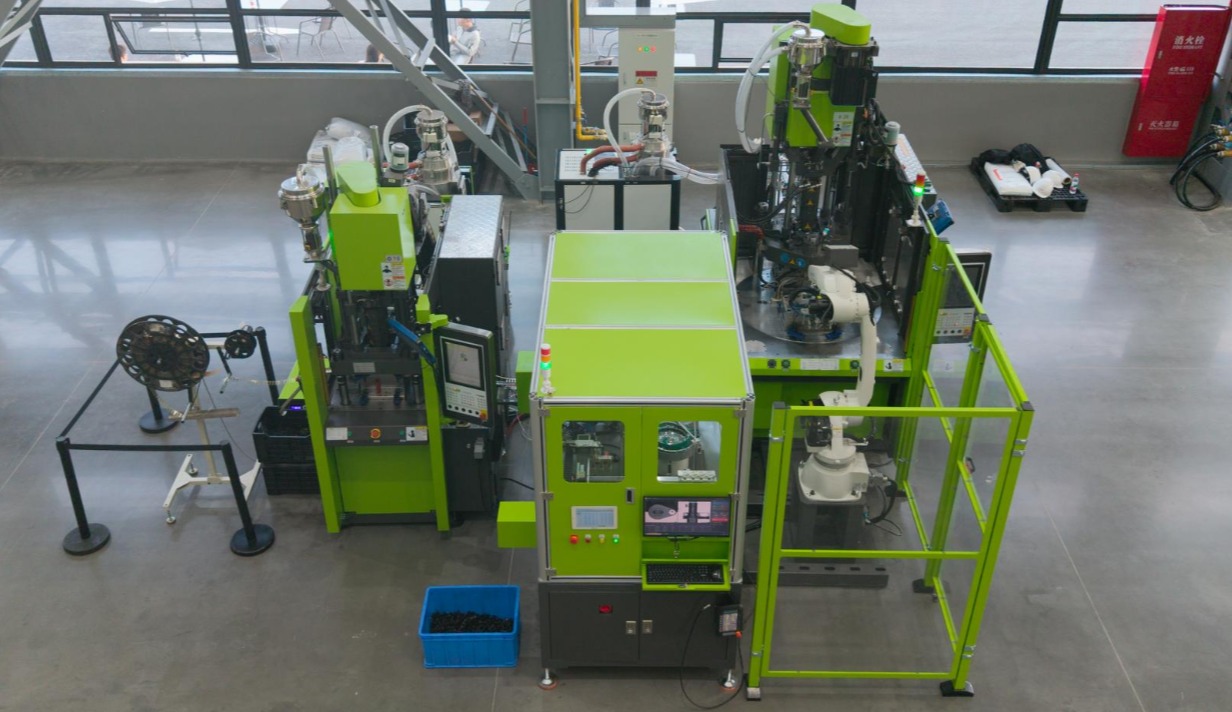
Located at EREMA’s headquarters in Gunskirchen, Austria, the new UpCenter is equipped with a COREMA 1108 T for sampling of recycling compounds in quantities ranging from 2 to 200 tons on a monthly basis.
“On the way to these ‘made-to-measure’ products you need a lot of fine-tuning in practice: processors demand varying quantities of samples - as often and as long as necessary until the recycling compound meets the exact requirements of their concrete application, such as film/sheet or injection molding part,” explained COREMA product manager Robert Obermayr.
The UpCenter allows processors to produce sample quantities quickly and flexibly and without having to buy a system of their own, he said, helping EREMA to open up new markets because “we give them the flexibility and speed they require in this phase”.