














Recycling in industrialized nations pushed to improve by Chinese "green fencing" regulations

As a result of China's strengthening regulations to restrict types of plastics waste import, Europe, along with other industrialized regions, have got major incentive to increase its recycling effectiveness for plastics, said market intelligence firm IHS.
China, once a final destination for more than 70% of the world's plastics waste, strengthened its "green fencing" regulations to restrict types of plastic waste materials it will accept.
China is the world's largest consumer of recycled plastics, but relies heavily on imports - it imported 10.3 billion metric tons in 2012 according to IHS.
"China is increasingly concerned over degradation to its environment," says Jim Glauser, Specialty Chemicals Analyst at IHS Chemical and author of a report on plastics recycling. "The country has rejected shipments of waste deemed contaminated or unsuitable and officials are cracking down on hazardous materials that eventually go to Chinese landfills."
Recyclers in Europe and other countries such as the US, Canada, Japan, Brazil, Mexico and Australia, therefore must improve their recycling technology processes, since fewer alternative markets exist to accept this waste, and frankly, much of the plastics still has significant value through reuse or energy recovery.
China's Green Fencing initiative, Mr. Glauser said, has turned the global recycling industry on its head.
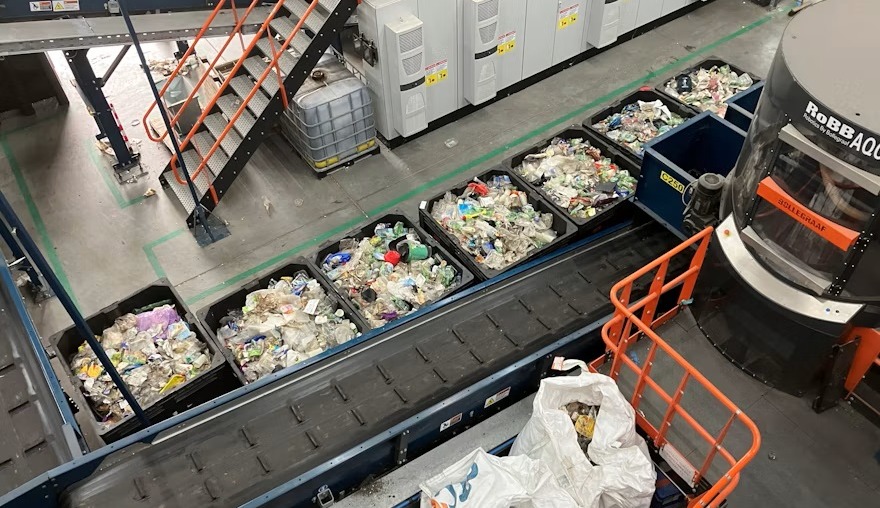
He found that much of the plastic scraps once destined for China are now being exported elsewhere, and the global recycling equipment industry is working to expand its automation to improve waste sorting.
Plastic manufacturers and producers of plastic goods are evaluating design guidelines to increase recyclability. One idea is the concept of resin markers, which would help recyclers assess contents of plastic waste to makes sorting easier. China also has an opportunity to grow its domestic recycling, according to Mr. Mr. Glauser.
Driven by densely populated areas, declining available landfill space, increasingly stringent regulatory policies and incentives to recycle plastic and other materials, Europe has long been a leader in waste recycling.
In 2012, European plastics recycling and energy recovery reached 61.9%, broken down that amounts to 26.3% plastics recycling, 35.6% energy recovery, with the remaining 38.1% going to landfill.
During 2006 to 2012, said IHS, the average amount of plastics post-consumer waste generated in Europe was 25 million metric tons (MMT).
The issue of recycling, along with other aspects of the chemical industry in Europe, is being addressed at the 22nd Annual Polyethylene-Polypropylene Chain Global Technology and Business Forum, taking place from June 25-26 in Zurich, Switzerland.