














Formlabs’ SLS 3D printer upgraded in throughput and use of new materials

Formlabs announced several advancement of its Fuse 1 selective laser sintering (SLS) printer. Users can now increase their throughput, unlock new, high-performance materials, and deliver parts faster.
To reduce overall print time, Formlabs started by upgrading the core engine of the printer. The Fuse 1+ 30W has a new, more powerful laser, as well as an updated laser scanning system. These two main updates ensure that interlayer printing is happening as rapidly and efficiently as possible.
Users can now design multiple versions, print them all on the Fuse 1+ 30W utilizing the upgraded packing algorithm, and have them ready to be tested the next day.
With the Fuse 1+ 30W’s higher print speeds, the ‘down time’ can happen overnight, helping designers improve the efficiency of their process.
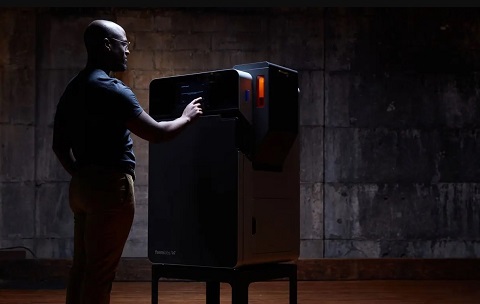
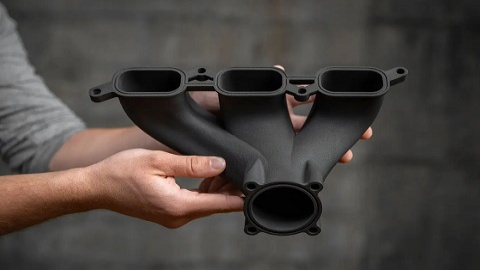
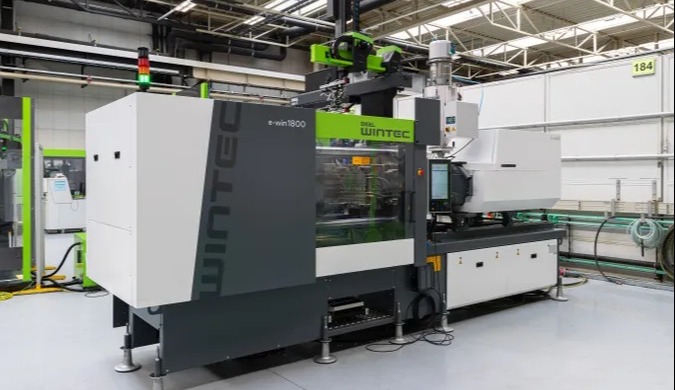
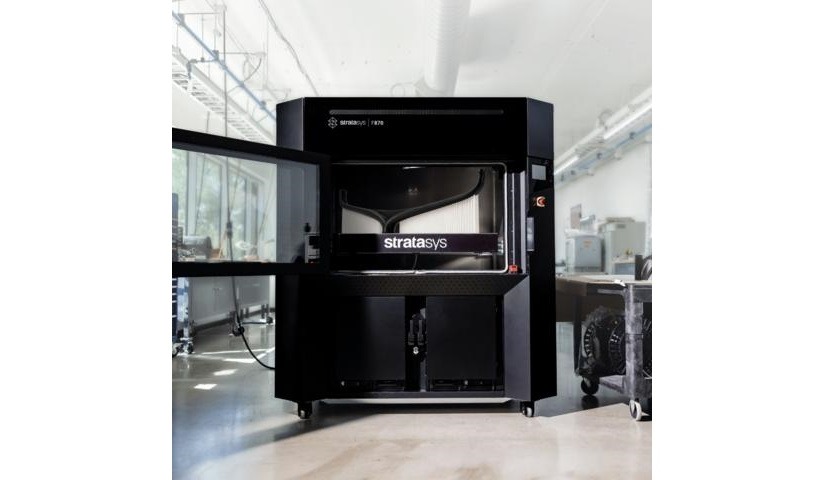
Fuse 1+ 30W.
Moreover, the Fuse 1+ 30W integrates new features that unlock more advanced powder possibilities. A new optional nitrogen supply feature creates an inert gas environment during the print process, eliminating unwanted oxygen from the sintering environment.
When printed in this inert environment, parts exhibit less brittleness and better ductility, enhancing their suitability as end-use components, especially in rugged environments such as automotive or aerospace.
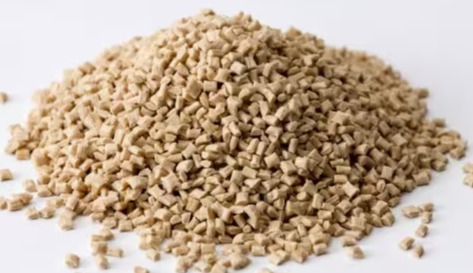
The controlled atmosphere also enables a more efficient sintering process for Nylon 11 Powder and Nylon 11 CF Powder by better preserving unsintered powder from oxidation, allowing users to reuse more of it in the next printing cycle.
This leads to a higher powder recyclability, and when combined with an optimal packing density, can create a zero-waste printing workflow.
Without the inert gas atmosphere, Nylon 11 and Nylon 11 CF Powders have a 50% refresh rate, meaning 50% recycled and 50% fresh powder must be used to create each new cartridge. In a nitrogen environment, this improves to 30% with both materials.
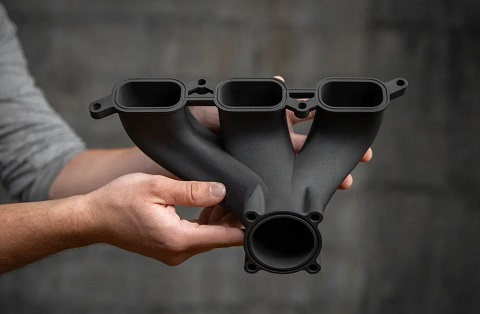
Upgraded mixing enables new materials.
Composite materials like Nylon 11 CF Powder owe their heightened strength and durability to the combination of carbon fibers throughout the powder, reinforcing the nylon’s material properties. Advanced materials require a more sophisticated powder handling system, one that can maintain the powder flow integrity during the dosing process.
The Fuse 1+ 30W engineering team designed an elegant solution to facilitate these new materials. The new agitator within the powder hopper creates a consistent, smooth delivery of material into the build chamber, enabling Nylon 11 CF Powder now, and opening up possibilities for future high performance materials in the future.