












Energy-efficient chemical recycling of mixed plastic waste with the Coperion ZSK twin screw extruder

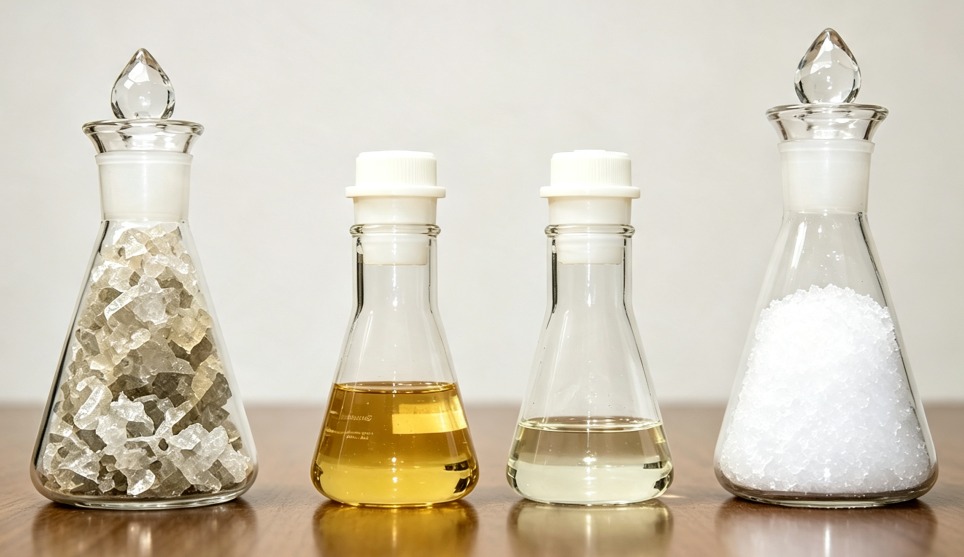
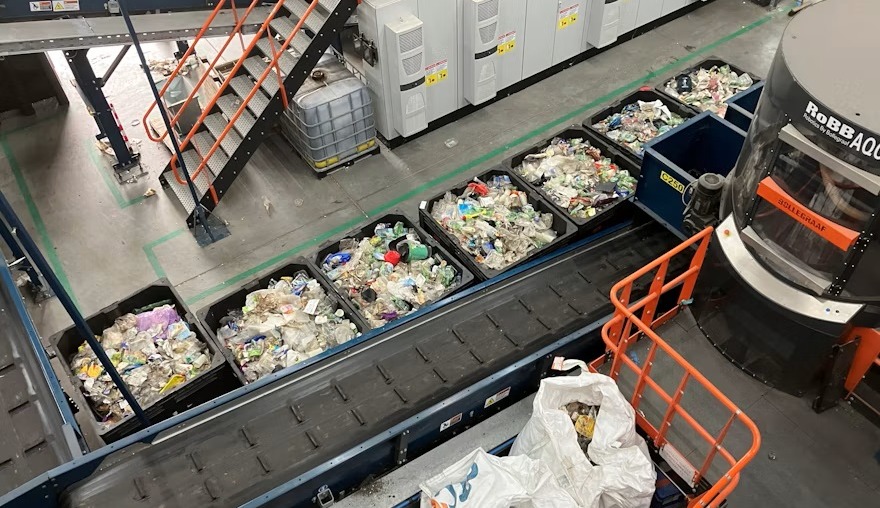
Plastic waste, especially packaging waste, is generally a mixture of materials with a high degree of contamination. Recycling this raw material is usually difficult, as sorting and cleaning of waste is in many cases neither economically viable nor technically feasible. Chemical recycling is a promising process to recycle these material streams into chemicals, waxes or liquid energy carriers.
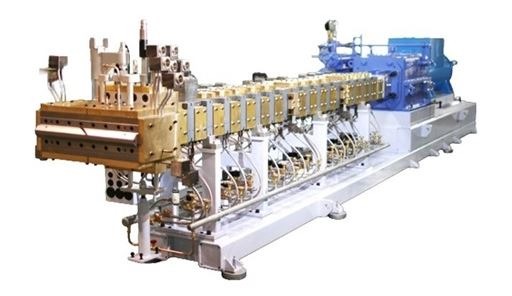
Coperion provides suitable technologies for the chemical recycling of post-consumer waste. The ZSK twin screw extruders possess numerous advantages that are beneficial for an energy efficient chemical recycling process.
Understanding Chemical Recycling
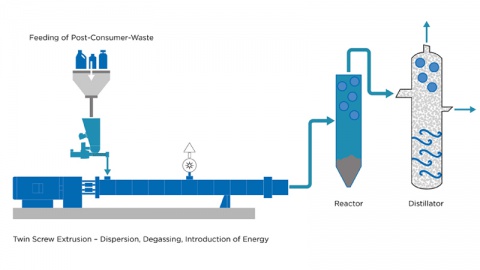
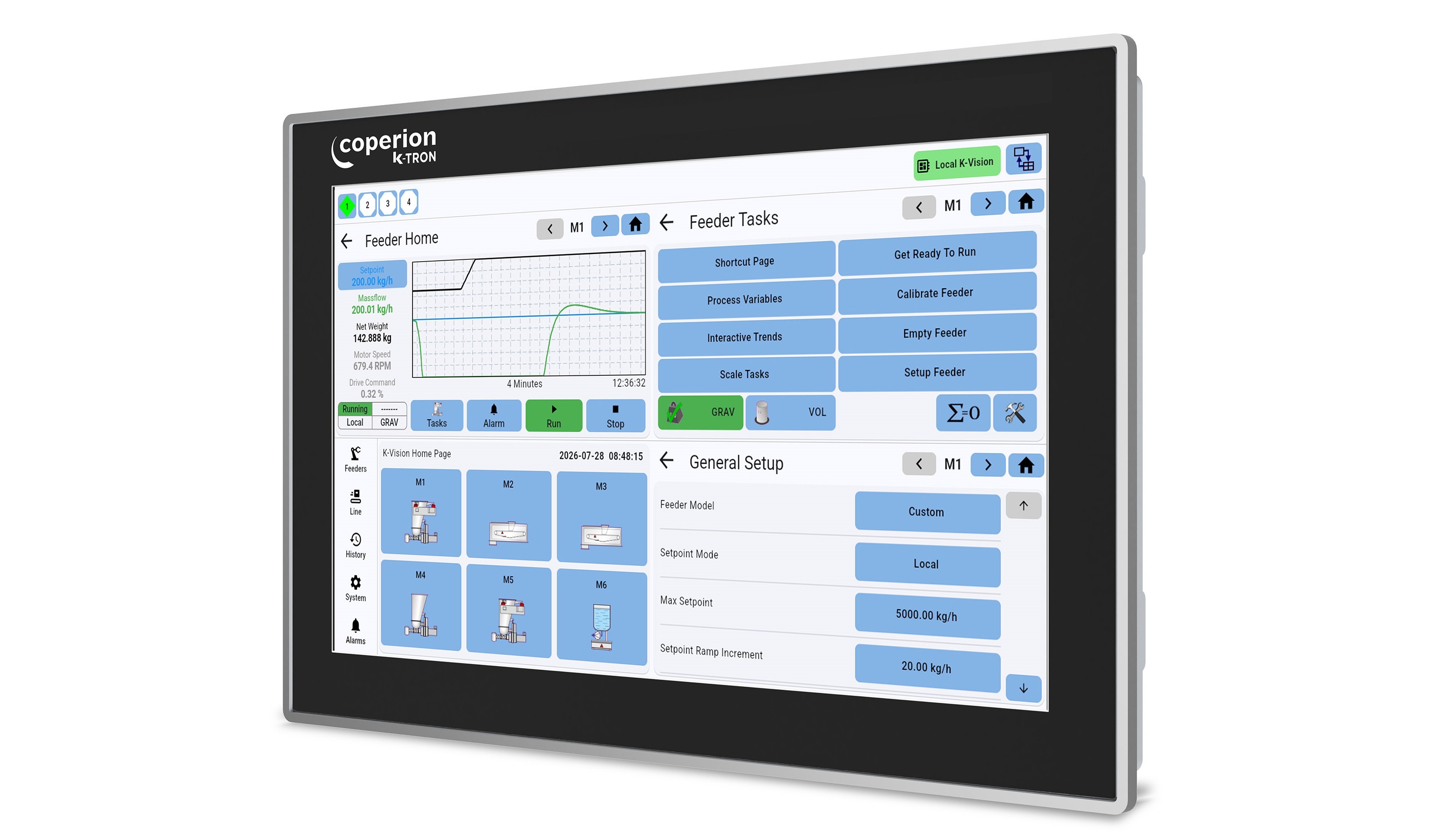
Chemical recycling is a promising process for recycling mixed plastic waste, both technically and economically. After post-consumer waste, either shredded or compacted, is reliably added to the extruder’s process section by a high-accuracy Coperion K-Tron feeder, a great deal of mechanical energy is introduced into the material in shortest time thanks to the continuous surface renewal as well as intensive dispersion and shearing along the twin screws. Within about 30 seconds, a homogeneous, highly devolatilized melt with a temperature of up to 350°C is produced, into which the energy has been introduced very efficiently.
Further materials, such as catalysts, can be added and mixed in as needed. In some cases, residual water or chlorides from PVC are introduced into the extruder in minute quantities along with the plastic waste. Both are reliably extracted via vacuum devolatilization on the extruder's process section.
Within the reactor, the melt, which was previously heated to up to 350°C in the twin screw extruder, is further heated. At up to 500°C pyrolysis of the polymers takes place, the splitting of polymer chains into shorter units in an oxygen-free environment. The pyrolysis of polymers utilizes the random scission mechanism, where free radicals are generated. At the same time, chain reactions are initiated which lead to cracking polymers into a broad mixture of hydrocarbons in liquid and gaseous phase. The most important factors for driving this process are residence time, temperature, and the type of pyrolysis agent.
Most of the inorganic components of the post-consumer waste remain in the reactor's sump and are removed. The polymers’ organic hydrocarbons evaporate. They are transformed into monomers, petrochemical raw materials, or synthesis gases and then processed further in a destillator into marketable products such as oil, heavy fuel, or waxes.
Coperion ZSK Twin Screw Extruder Suitable for Chemical Recycling Tasks
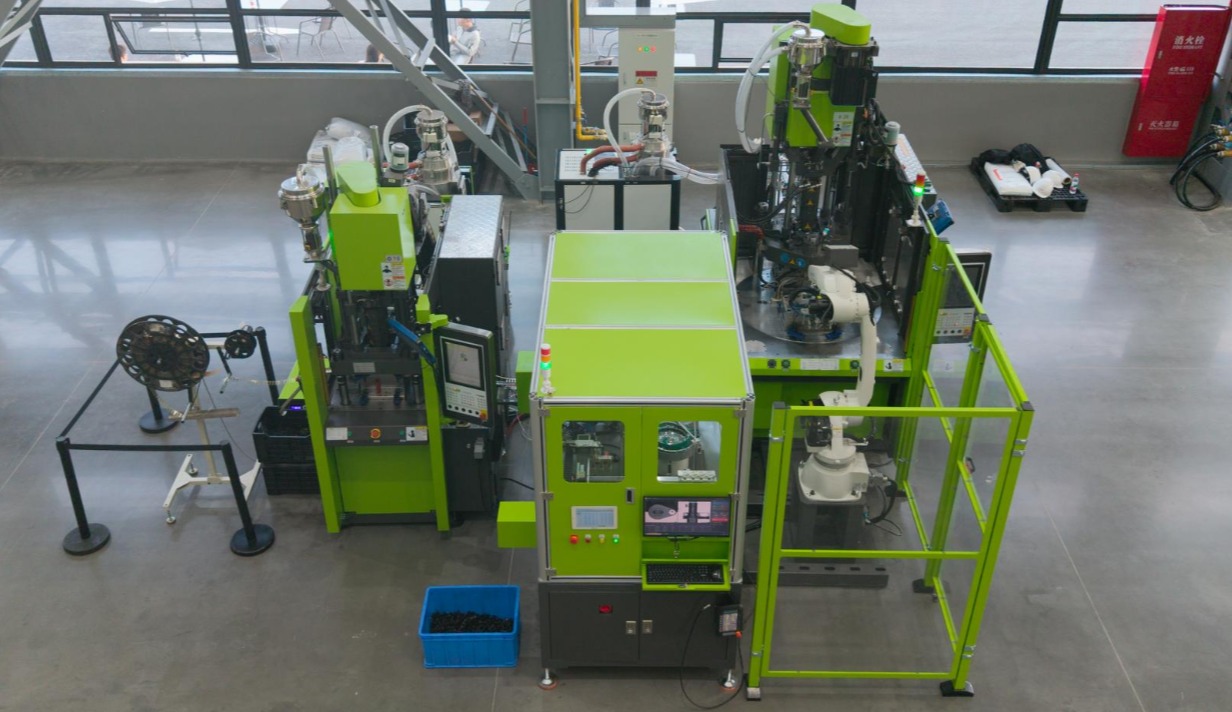
Coperion’s twin screw extruder technology is particularly well suited for an efficient energy addition and therefore for chemical recycling of plastics. The ZSK twin screw extruder’s technology covers a broad range of throughputs. On larger ZSK extrusion machines, throughputs of up to 20 t/h can be realized.
Polymers of various viscosities are reliably plastified thanks to the highly effective mode of operation of the twin screws. Plastic energy dissipation takes place in no time. When needed, corrosion and wear protection of all product-contact parts within the process section can assure long extruder lifetime even when processing very aggressive materials.
Benefits of ZSK Twin Screw Extruder
Quick dissipation with less energy consumption compared to processing with single screw extruders, as the energy is mainly transferred from the extruder main engine into the melt, not by external heating
High-accuracy feeding of additives (e.g. catalysts) and perfect homogenization due to the great mixing performance of the ZSK
Continuous surface renewal, intensive dispersion and shearing along the process section
Efficient devolatilization of the melt, especially when residual water or chlorides from PVC are present