













(Interview) Tederic’s multi-component injection molding machines empower low-carbon mobility

With the implementation of the carbon peak and carbon neutrality (“dual-carbon”) policy in China, new energy vehicles are becoming more popular in the market. According to the data released by the China Association of Automobile Manufacturers, sales of new energy vehicles in China increased 1.4 times year-on-year in January.
Integrated, lightweight auto parts bring opportunities
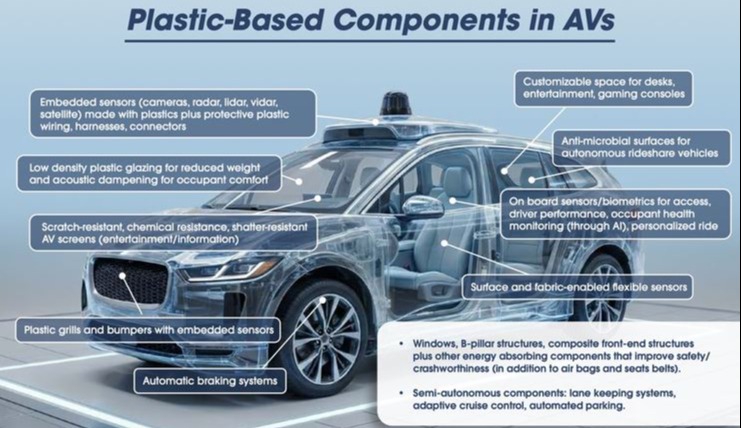
Considering as “mobile travel space”, new energy vehicles feature flat rear seats, longer axle ratios and smarter interactive experiences, providing more space for integrated and lightweight auto parts.
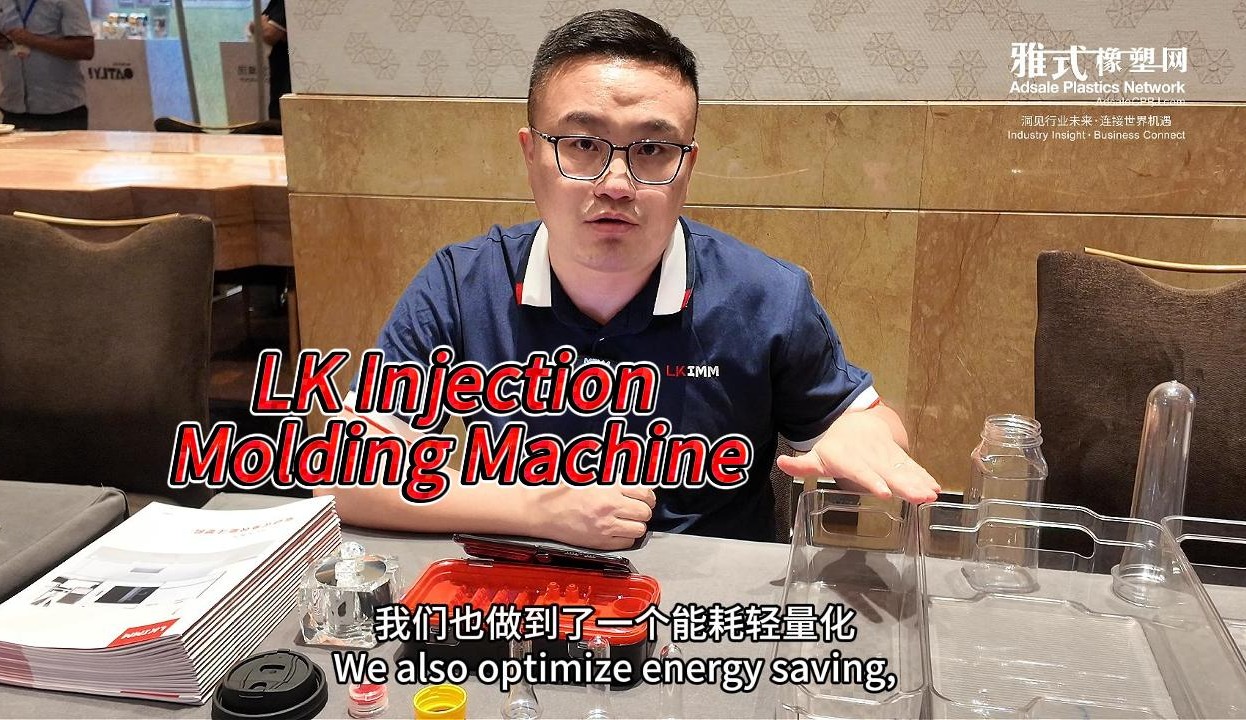
“Optical parts, soft and hard adhesive combination, high-gloss surface and other structural parts of new energy vehicles bring new opportunities for injection molding machines,” said David Zhou, Chief Engineer of Tederic Machinery Co., Ltd.
High-gloss surface, combination of soft and hard rubber and multi-color lampshade are mainly made of multi-material injection molding, driving the market demand for medium and large vertical turntable and horizontal turntable on-shot injection molding machines.

David Zhou, Chief Engineer of Tederic Machinery Co., Ltd.
Injection molding of PMMA high-gloss exterior parts
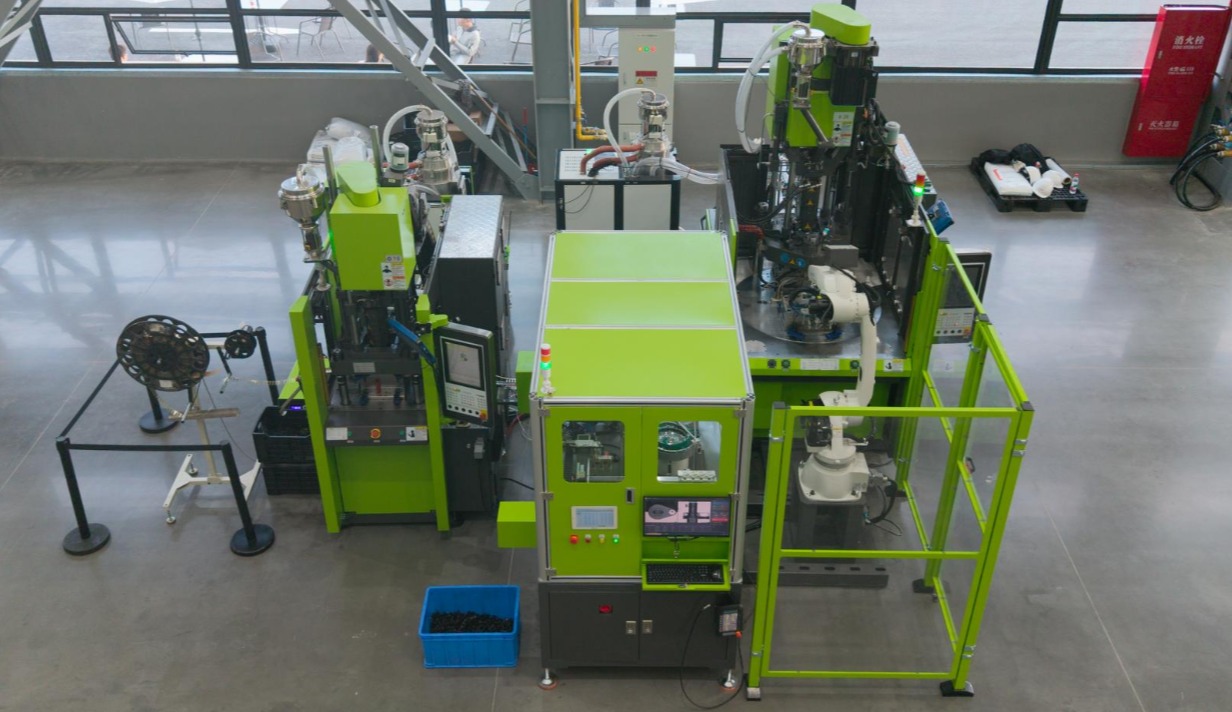
Tederic's NEO·M1120s horizontal electric counter-shot multi-component injection molding machine with CoinSure injection compression molding technology was developed for automotive applications. The machine can achieve a lightweight design through the injection molding of high-gloss PMMA exterior parts of the B-pillar.
As introduced, the technology won the first prize of the 2021 China Machinery Industry Science and Technology Award for Scientific and Technological Progress. The NEO·M1120s multi-component injection molding machine is also the winner of the Outstanding Product of the Machinery Industry for the 40th Anniversary of Reform and Opening Up.
Tederic’s CoinSure injection compression molding is suitable for molding products that require high precision and high quality, such as transparent parts, and interior and exterior trim parts for automobile industry, as well as high-precision optical parts for defense, aerospace, and submarine industries.
According to David Zhou, although new energy vehicle parts are becoming more integrated and fewer parts are required, the plastic usage is not reduced. All-in-one injection molding is achieved through the multi-station of the injection molding machine.
For example, the headlight sets are usually combined with different materials, and the engineering material support parts are formed with polycarbonate (PC) or PMMA, which require high light transmission of the finished products. With electric injection molding, NEO·M1120s can improve both molding accuracy and efficiency.
Electric production of auto parts becomes the mainstream
It is worth noting that, as a major carbon emitter, the automotive industry plays a significant role in reducing carbon emissions. The efforts of automobile makers are crucial, not only for driving the zero emissions of vehicles, but also for steadily reducing carbon emissions in the whole lifecycle, from raw material supply, production, sales to after-sales service.
In the production process, more auto parts will be produced using electric injection molding as all-electric injection molding machines can achieve low energy consumption and high-precision production, moving forward to the trend of electrification.
“The interior and exterior trim parts of new energy vehicles are upgraded faster and in shorter cycles than traditional fuel vehicles. The injection molding machines with modular design are more popular in the market as they help to meet the delivery requirements of auto parts makers,” David Zhou added.