












Packaging
Husky announces initiatives to create awareness of the benefits of PET packaging
Jun 23, 2009

Source: Adsale Industry Portal 2456.com
Husky Injection Molding Systems, a global supplier of injection molding equipment and services to the plastics industry, announced yesterday (June 22) the initiatives that will raise awareness about the benefits of PET (polyethylene terephthalate) as a packaging material. To support this goal, Husky is participating in several projects dedicated to providing accurate information about the safety, sustainability and recyclability of PET.
"Recently, there has been increased public interest concerning the safety and environmental impact of plastics. Our goal is to educate the media and consumers so that they can make informed, fact-based decisions about PET packaging," said Jeff MacDonald, Husky's Vice President of Marketing. "Studies have shown that PET is one of the most lightweight and recyclable packaging materials. As PET technology continues to advance, it is becoming an increasingly attractive packaging alternative for many applications."
In April 2008, Husky partnered with others in the plastics industry to launch the Facts on PET (www.factsonpet.com) campaign. The goal of Facts on PET is to promote accurate information about PET and dispel any misleading information. For example, there has been confusing information linking PET plastic products to those that contain bisphenol-A (BPA). Over the past year, Facts on PET has been successful in correcting misleading reports and educating the mainstream media on the safety, recyclability and convenience of PET containers.
Husky is also working with the Allied Development Corporation, a third party consulting and publications company, to conduct Life Cycle Analysis studies. The studies determine how the environmental footprint and greenhouse gas emissions of manufacturing and transporting PET relates to alternative forms of packaging. The first study found that in North America, PET is the most favorable alternative when compared to aluminum cans and glass bottles for a 355 ml carbonated soft drink application. When measuring greenhouse gas emissions, PET containers had the lowest output at 314.9 pounds per 1,000 units, approximately 250 pounds less than aluminum and 180 pounds less than glass. In terms of energy consumption, PET also performed the best with 3,225 MJ per 1,000 units, in comparison to aluminum at 3,917 MJ and glass at 4,227 MJ.
Husky Injection Molding Systems, a global supplier of injection molding equipment and services to the plastics industry, announced yesterday (June 22) the initiatives that will raise awareness about the benefits of PET (polyethylene terephthalate) as a packaging material. To support this goal, Husky is participating in several projects dedicated to providing accurate information about the safety, sustainability and recyclability of PET.
"Recently, there has been increased public interest concerning the safety and environmental impact of plastics. Our goal is to educate the media and consumers so that they can make informed, fact-based decisions about PET packaging," said Jeff MacDonald, Husky's Vice President of Marketing. "Studies have shown that PET is one of the most lightweight and recyclable packaging materials. As PET technology continues to advance, it is becoming an increasingly attractive packaging alternative for many applications."
In April 2008, Husky partnered with others in the plastics industry to launch the Facts on PET (www.factsonpet.com) campaign. The goal of Facts on PET is to promote accurate information about PET and dispel any misleading information. For example, there has been confusing information linking PET plastic products to those that contain bisphenol-A (BPA). Over the past year, Facts on PET has been successful in correcting misleading reports and educating the mainstream media on the safety, recyclability and convenience of PET containers.
Husky is also working with the Allied Development Corporation, a third party consulting and publications company, to conduct Life Cycle Analysis studies. The studies determine how the environmental footprint and greenhouse gas emissions of manufacturing and transporting PET relates to alternative forms of packaging. The first study found that in North America, PET is the most favorable alternative when compared to aluminum cans and glass bottles for a 355 ml carbonated soft drink application. When measuring greenhouse gas emissions, PET containers had the lowest output at 314.9 pounds per 1,000 units, approximately 250 pounds less than aluminum and 180 pounds less than glass. In terms of energy consumption, PET also performed the best with 3,225 MJ per 1,000 units, in comparison to aluminum at 3,917 MJ and glass at 4,227 MJ.
原创,请勿转载
Specials




HUSKY
PET



Comments






Sponsor
FCS
Specials
Packaging
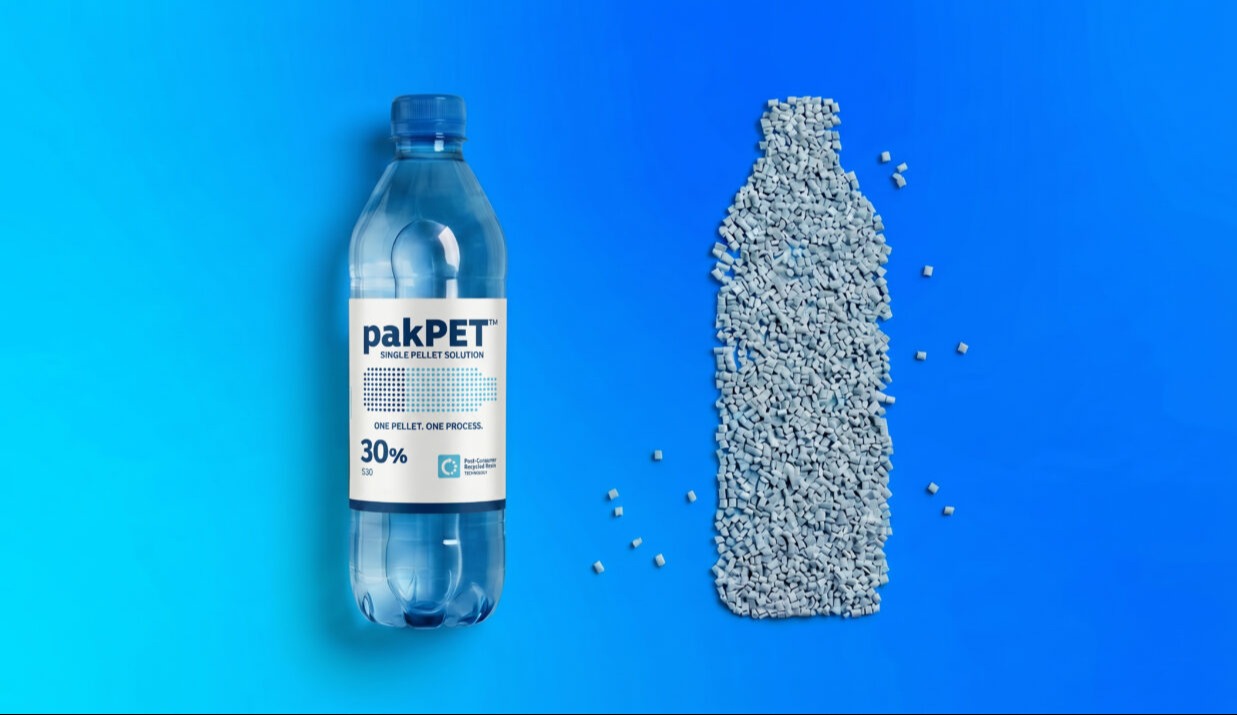
pakPET Single Pellet Solution is a sustainable PET resin to help PET packaging manufacturers increase recycled content while maintaining packaging quality, consistency, and operational efficiency.
Jul 24, 2026
Corporate News
Against the backdrop of sustainable development and the advancing circular economy, the packaging industry is undergoing new transformations. Corporate focus has shifted from mere production capacity expansion to industrial chain collaboration, circular utilization, and global strategic positioning. KOKSAN is exploring new growth opportunities through a diversified strategy.
Jul 17, 2026
Packaging
The rules, for the first time, establish a methodology to calculate, verify, and report chemically recycled content in the bottles.
Jul 8, 2026
Chemicals
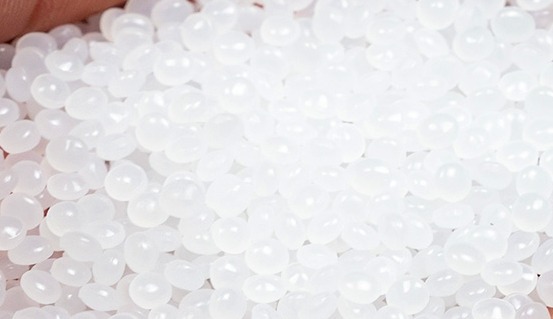
India has extended the anti-dumping duty of US$200.66 per metric tonne on imports of virgin PET resin from China.
Jun 25, 2026
Extrusion
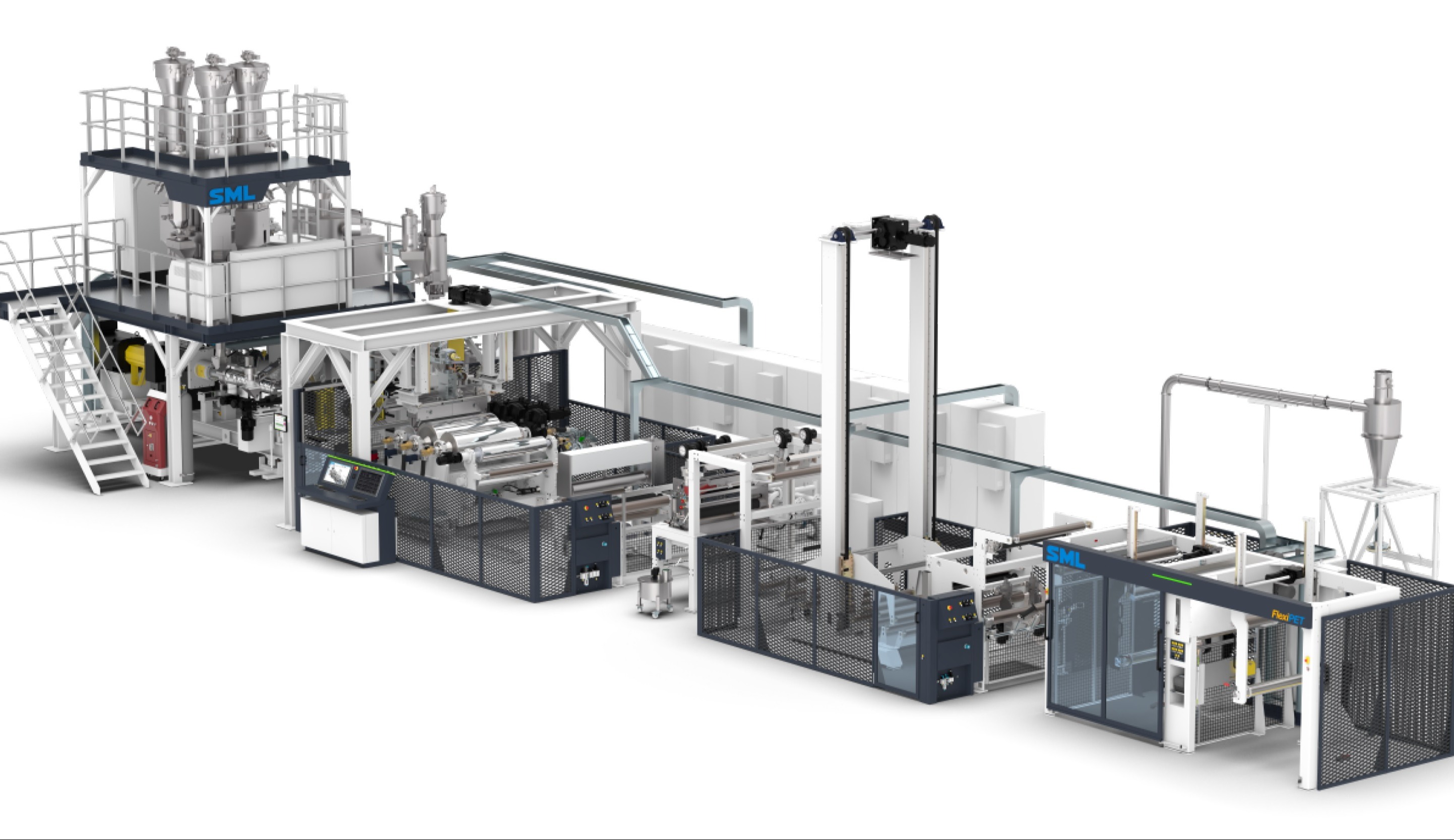
SML announced the launch of FlexiPET, a brand-new production-scale demonstration line for PET thermoforming sheet located at its Technology Centre.
Jun 2, 2026
Recycling
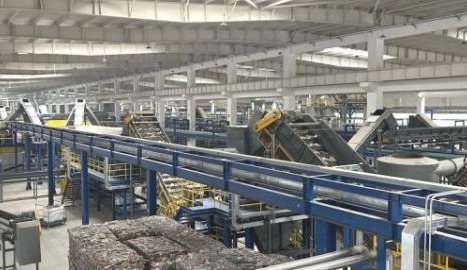
BoReTech has recently fully commissioned a PET bottle washing line for the Fuhai Group, with a processing capacity of up to 15 tons per hour.
Jun 1, 2026