













Automotive
DSM introduces Stanyl Diablo OCD2100 for automotive applications
Dec 6, 2007

DSM Engineering Plastics introduces new high performance grade of STANYL for under the bonnet applications.
To meet the needs of the automotive industry, DSM Engineering Plastics has introduced Stanyl Diablo OCD2100. This new grade is the first member of a next generation family of Stanyl grades that offer improvement in long-term thermal stability.
This technology, developed and patented by DSM, extends the functional life of components well beyond the limits of other high temperature polyamides. By limiting thermal oxidative breakdown, Stanyl Diablo withstands more than 3,000 hours temperature exposure up to 230°C with less than 15% loss in mechanical properties.
Requirements for Under The Bonnet (UTB) applications are changing constantly. Environmental requirements, EURO V and VI legislation and the call for reduced fuel consumption have resulted in significant changes, e.g. the use of smaller engines with higher turbo pressures and EGR (Exhaust Gas Recirculation). As a consequence, automobile UTB components such as air ducts, air intake manifolds and charge air cooler end-caps are exposed to continuously rising operating temperatures. With increasingly critical temperature and tougher life-time requirements, long term service life of components made from current thermoplastics can be at risk.
According to Ton Vet, Turbo Systems Application Development Manager at DSM, continuous temperature levels up to 230°C are now increasingly common for UTB applications: "Stanyl Diablo OCD2100 outperforms current high heat resins on high temperature stability, but also on weldability, weld strength and the weld's long term heat stability. Longer and better lifetime reliability of parts is also possible because of the material's low creep and its fatigue behavior. Part design and function can be reached more easily and, more importantly, UTB part reliability can be guaranteed for the lifetime required."
To meet the needs of the automotive industry, DSM Engineering Plastics has introduced Stanyl Diablo OCD2100. This new grade is the first member of a next generation family of Stanyl grades that offer improvement in long-term thermal stability.
This technology, developed and patented by DSM, extends the functional life of components well beyond the limits of other high temperature polyamides. By limiting thermal oxidative breakdown, Stanyl Diablo withstands more than 3,000 hours temperature exposure up to 230°C with less than 15% loss in mechanical properties.
Requirements for Under The Bonnet (UTB) applications are changing constantly. Environmental requirements, EURO V and VI legislation and the call for reduced fuel consumption have resulted in significant changes, e.g. the use of smaller engines with higher turbo pressures and EGR (Exhaust Gas Recirculation). As a consequence, automobile UTB components such as air ducts, air intake manifolds and charge air cooler end-caps are exposed to continuously rising operating temperatures. With increasingly critical temperature and tougher life-time requirements, long term service life of components made from current thermoplastics can be at risk.
According to Ton Vet, Turbo Systems Application Development Manager at DSM, continuous temperature levels up to 230°C are now increasingly common for UTB applications: "Stanyl Diablo OCD2100 outperforms current high heat resins on high temperature stability, but also on weldability, weld strength and the weld's long term heat stability. Longer and better lifetime reliability of parts is also possible because of the material's low creep and its fatigue behavior. Part design and function can be reached more easily and, more importantly, UTB part reliability can be guaranteed for the lifetime required."
原创,请勿转载
Specials

Automotive





Comments




Specials
3D printing
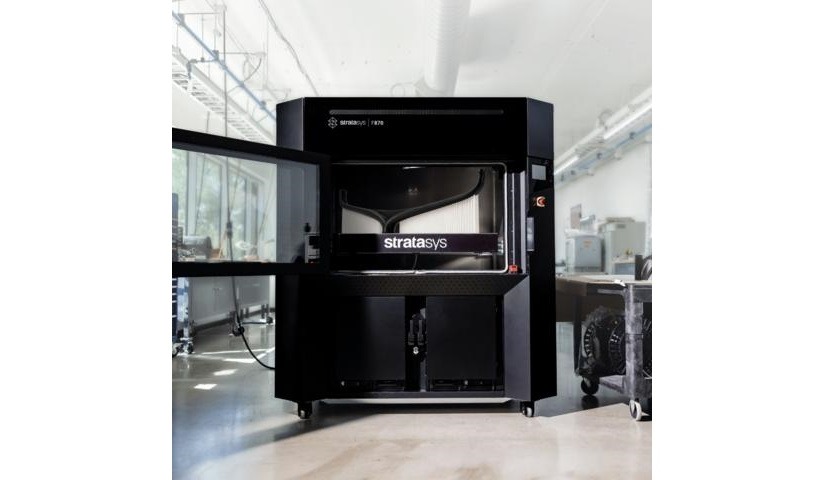
Stratasys launched the new F870 FDM system, a large-format additive manufacturing platform designed for industrial manufacturers.
Sep 22, 2026

Automotive
LK Technology's injection molding solutions achieve a high repeatability accuracy of ±0.1, allowing manufactures to drastically shorten production cycles, reduce scrap rates, and maximize product yield.
Sep 21, 2026
Chemicals
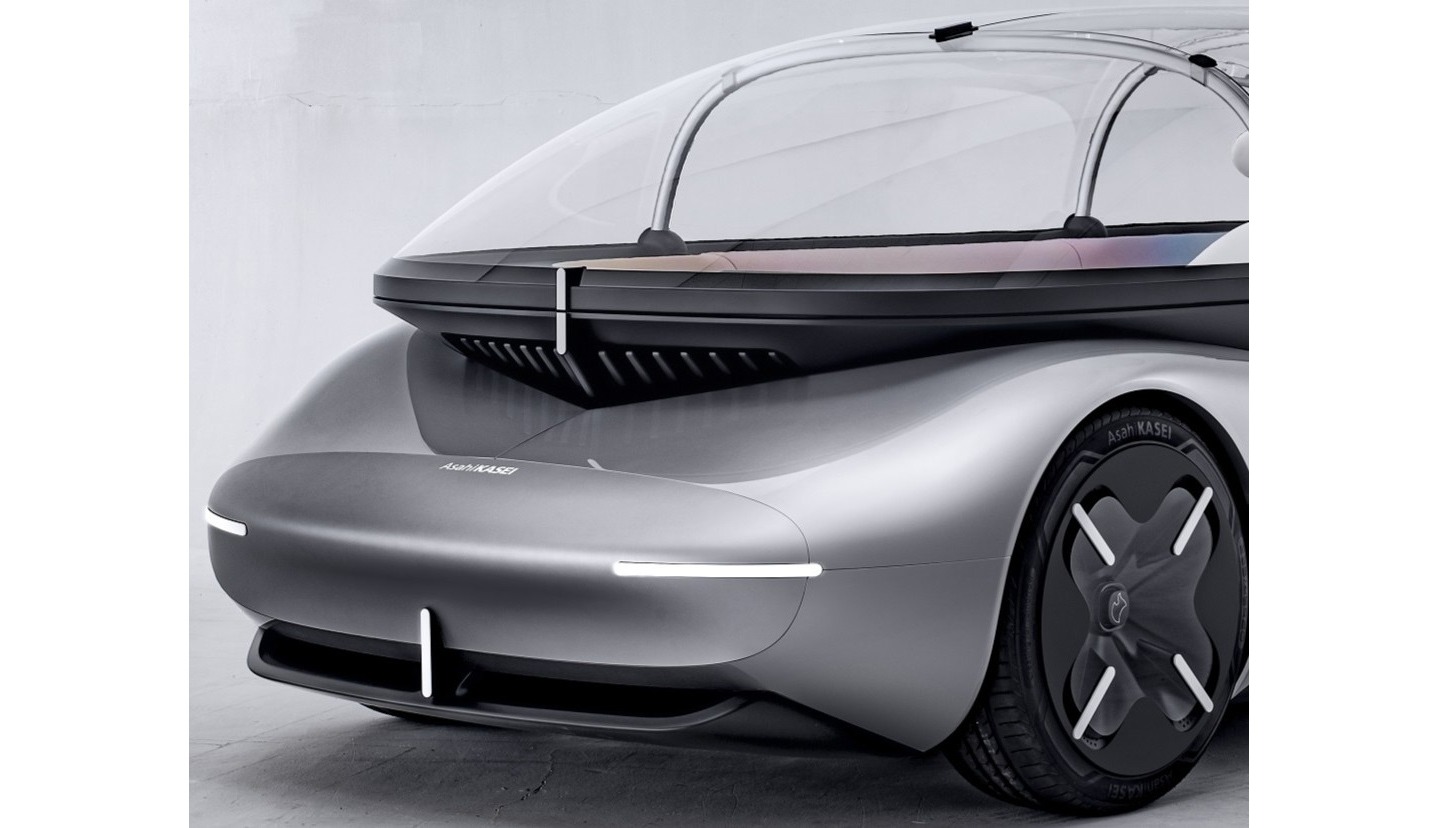
The exhibits will highlight how advanced materials contribute to more efficient and sustainable manufacturing while supporting evolving requirements of automotive interior and increasingly electrified industrial systems.
Sep 16, 2026
Chemicals
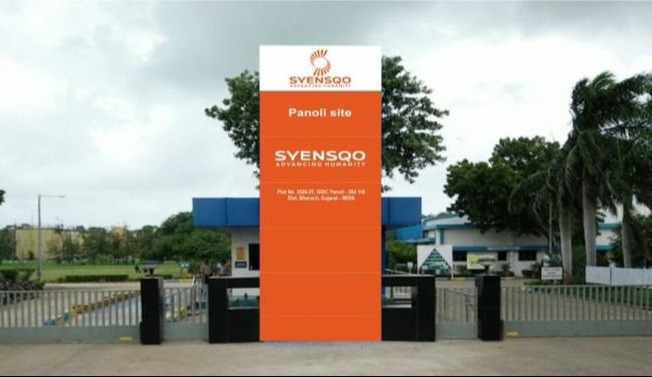
Syensqo is investing in a new compounding line for high-performance aromatic polymers at its Panoli site in India, strengthening its ability to serve customers in one of the world’s fastest-growing automotive markets.
Sep 8, 2026
Injection
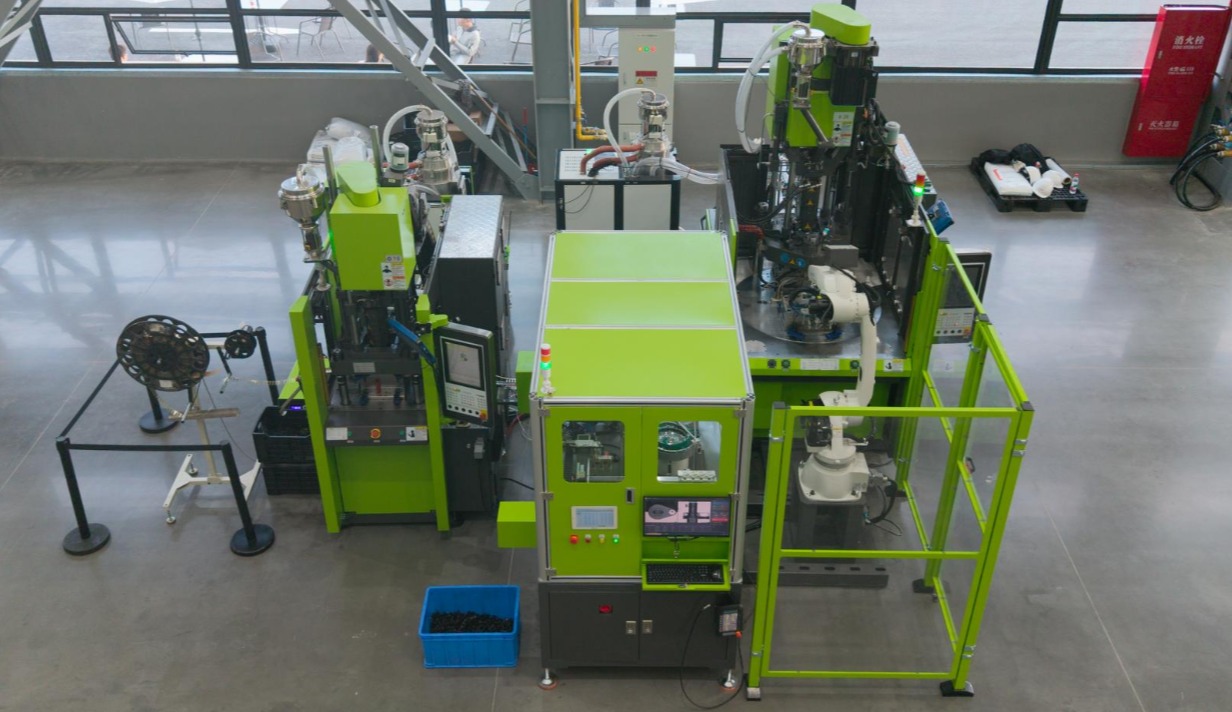
All‑in‑One ABS Sensor Solution: One solution for precision insert molding and housing encapsulation. Strip feeding, insert molding, housing encapsulation and finished-part takeout.
Aug 31, 2026
Automotive
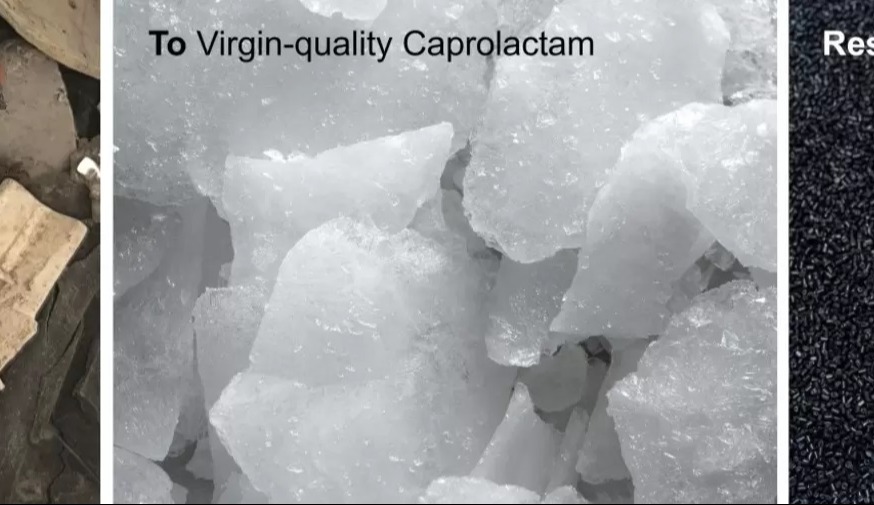
Envalior and SECARA collaborate to test and validate pathways to incorporate high-quality PCR content into technical material grades based on SECARA’s novel catalytic depolymerization process.
Aug 28, 2026