












Improving the Odor of Post-Consumer Plastic Recyclates

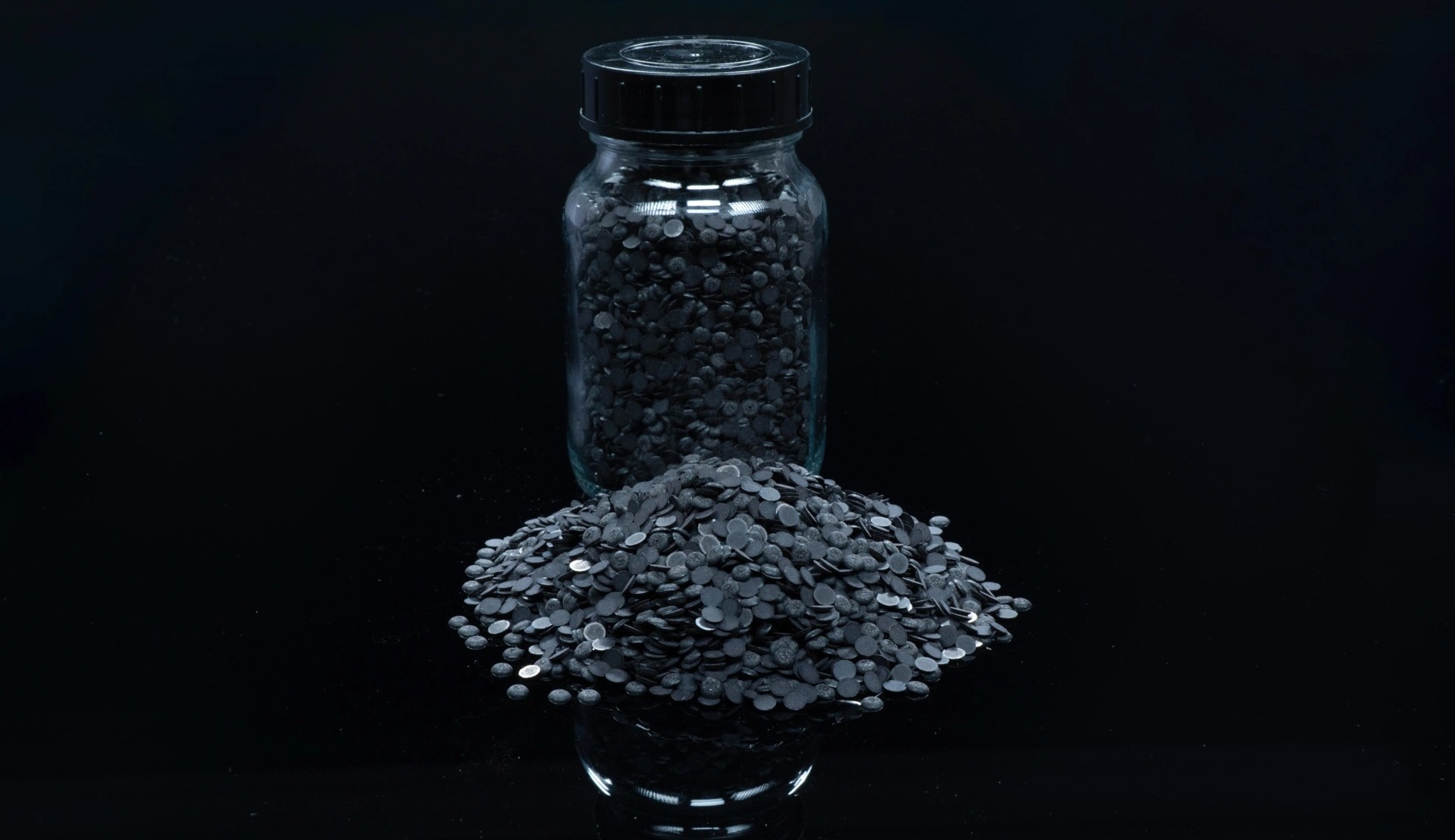
The demand for plastic recyclates from post-consumer waste is growing. However, unpleasant odors are often a challenge. Removing them is a prerequisite if plastic recyclates from post-consumer waste are to be used for the manufacture of new products.
The recyclate must meet high standards not only mechanically, but also in terms of sensory properties. However, plastic recyclate from post-consumer waste frequently exhibits unpleasant odors.
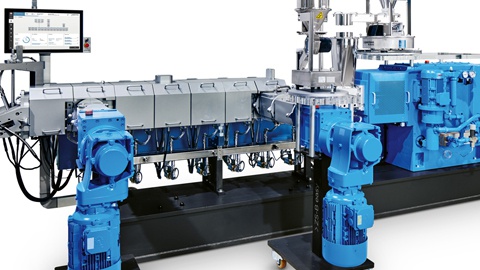
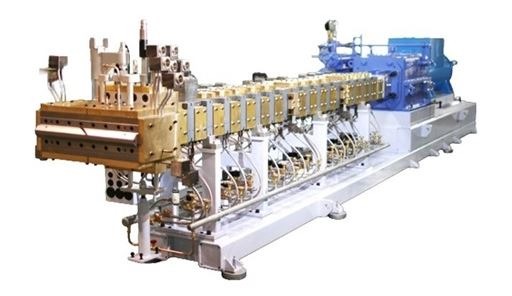
Coperion offers various technology solutions to efficiently remove these unpleasant odors. While the ZSK high-performance extruder predominantly removes the highly volatile, low-molecular-weight substances, special deodorization systems, in some cases together with the Coperion Bulk-X-Change heat exchanger, ensure the complete removal of unwanted odor from the plastic recyclate.
Odor reduction in ZSK twin screw extruders
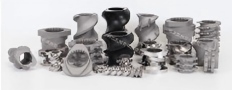
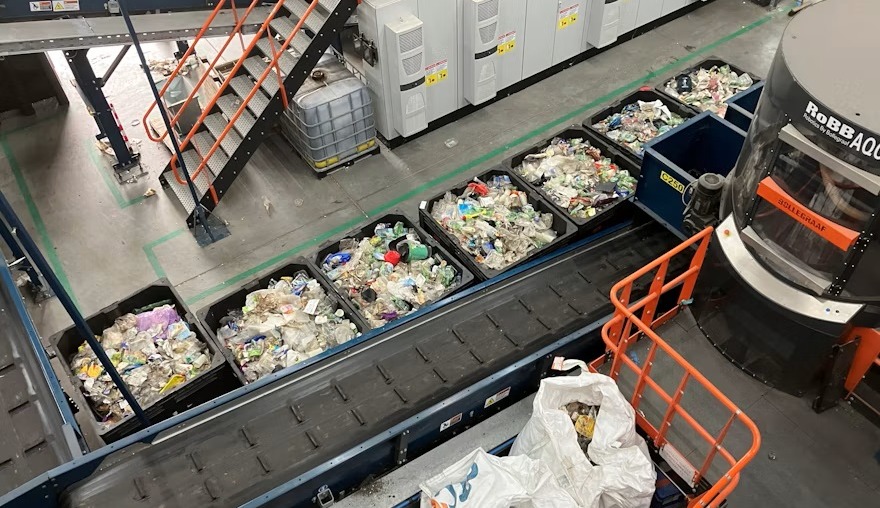
Before recyclates can be processed, plastic waste must first be cleaned, separated and sorted, and finally shredded. The resulting regrinds can then be added to the compounding process via conveying lines and feeders. In Coperion’s twin screw extruder ZSK, raw materials are melted and homogenized in the process section. In addition, the melt is intensively devolatilized here before it is conveyed to the extruder discharge. Volatile substances in small or large quantities are reliably removed, depending on the severity of the substance or odor.
Several features are responsible for this intensive degassing within the Coperion extruder: the optimally matched process parameters of the extruder and the constant surface renewal of the melt by the co-rotating twin screws.
The volatile substances and disturbing odors are efficiently discharged via degassing domes as well as atmospheric vents on the process section. Depending on the recycling process, a ZS-EG twin screw side degassing unit can also be installed. This technology also reliably removes odors while keeping the melt completely in the process section even at maximum specific torque, improving product quality significantly.
Odor reduction through deodorization systems
In addition to odor reduction within the twin screw extruder, Coperion offers solutions for devolatilization of bulk materials downstream of the extrusion process. To some extent, recyclate can still contain a certain amount of volatile materials that cause unpleasant odors. In order to remove even these difficult-to-volatilize odors, the product is continuously devolatized in deodorization systems. In this process, parameters such as residence time, temperature and gas volume are decisive for the significant increase in product quality.
Depending on the plant design, Coperion’s Bulk-X-Change heat exchanger can be used to heat the recyclate to be deodorized and thus accelerate odor reduction. In addition, the BXC can be used to cool the recyclate back to a temperature at which gentle onward transport is ensured.
In Coperion's Test Centers, tests can be carried out both for degassing during the extrusion process and for deodorization of the recyclate.