















Automotive
Bayer launches new polycarbonate blend for automotive instrument panels
Oct 27, 2006

Bayer MaterialScience AG has introduced a new material for the production of instrument panels - Bayblend DP T88 Plus.
This rubber-modified blend, based on polycarbonate and styrene acrylonitrile copolymer (PC/SAN), passes Volkswagen's blooming test, which investigates the adhesive properties of polyurethane foam systems on instrument panels after aging in warm, damp conditions.
This glass-fiber-reinforced material is 25% easier flowing, around a third more impact resistant, and approximately 15% stiffer than PC/ABS Bayblend T88-2N, which has become an established material for instrument panel production.
Furthermore, the material exhibits far greater toughness than styrene-maleic anhydride copolymer and a low tendency to fracture, which is important for safety-related component areas such as that surrounding the airbag flap. The good thermal aging properties are at a far higher level and may be like those of Bayblend KU 2-1522, which sets standards for this property in polycarbonate blends for instrument panels.
This rubber-modified blend, based on polycarbonate and styrene acrylonitrile copolymer (PC/SAN), passes Volkswagen's blooming test, which investigates the adhesive properties of polyurethane foam systems on instrument panels after aging in warm, damp conditions.
This glass-fiber-reinforced material is 25% easier flowing, around a third more impact resistant, and approximately 15% stiffer than PC/ABS Bayblend T88-2N, which has become an established material for instrument panel production.
Furthermore, the material exhibits far greater toughness than styrene-maleic anhydride copolymer and a low tendency to fracture, which is important for safety-related component areas such as that surrounding the airbag flap. The good thermal aging properties are at a far higher level and may be like those of Bayblend KU 2-1522, which sets standards for this property in polycarbonate blends for instrument panels.
原创,请勿转载
Specials





Automotive




Comments



Specials
Automotive
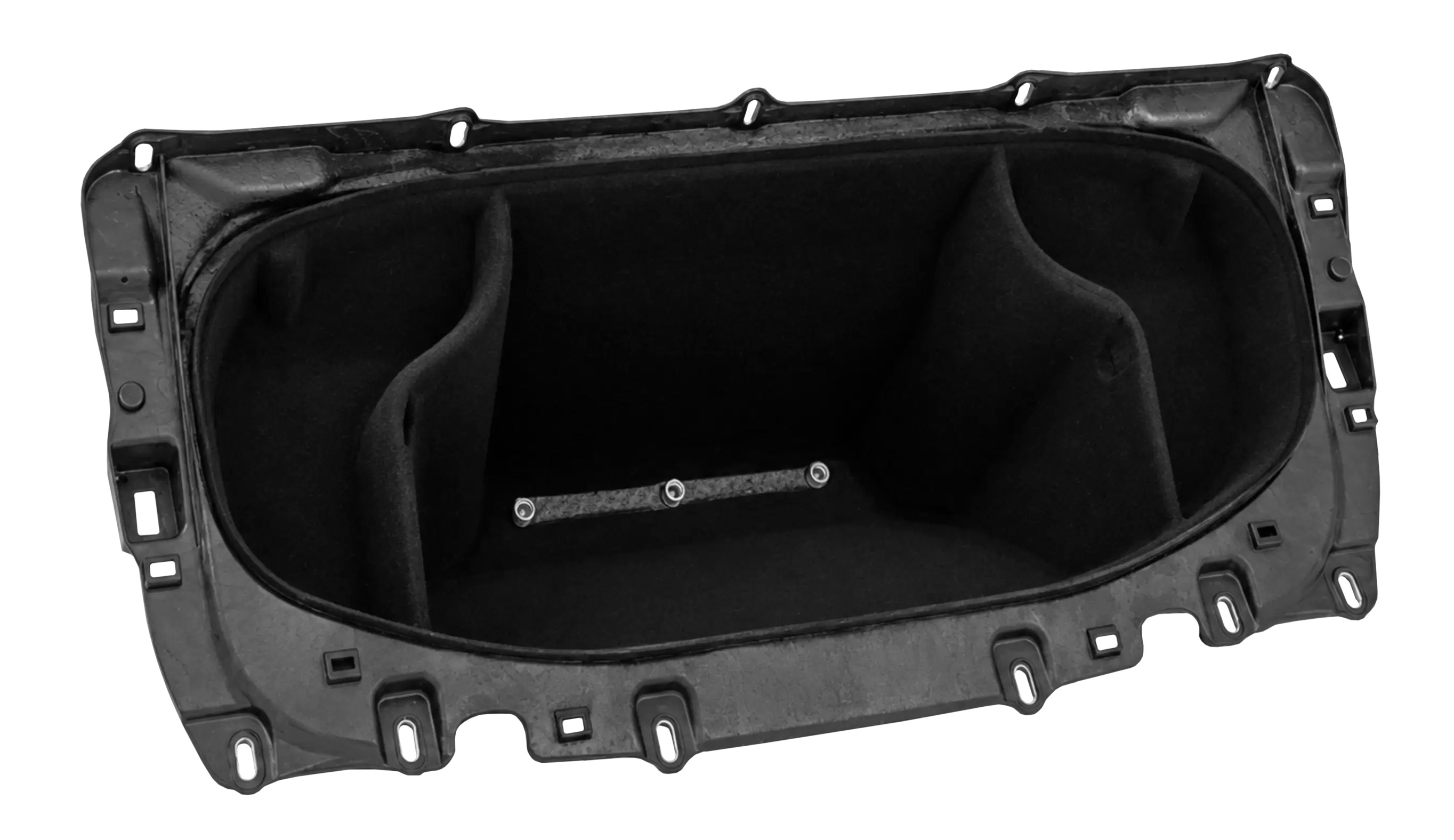
Röchling Automotive has made a breakthrough in structural lightweight design for automotive – the first plastic frunk that doubles as both storage space and a highly robust structural chassis component.
Oct 21, 2026

Chemicals
At Fakuma 2026, HEXPOL Thermoplastics presents a further expansion of its automotive materials portfolio containing post-consumer recycled (PCR) content.
Oct 14, 2026
Injection
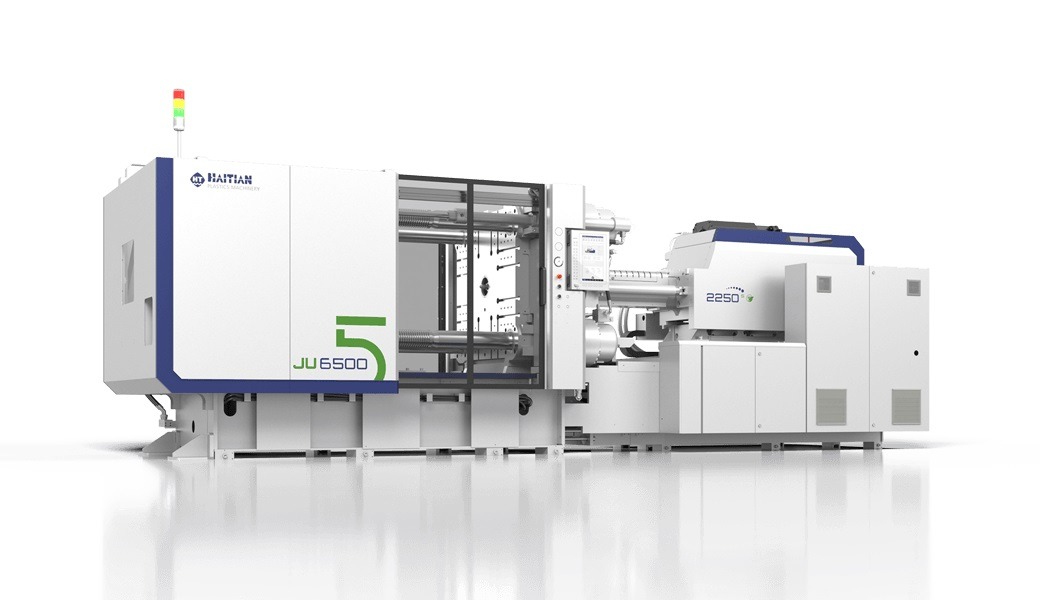
At Fakuma 2026, Haitian will showcase two machines live – Haitian Jupiter two-platen series for automotive application and the 5th generation Zhafir Zeres F with caps & closures app.
Oct 8, 2026
Chemicals
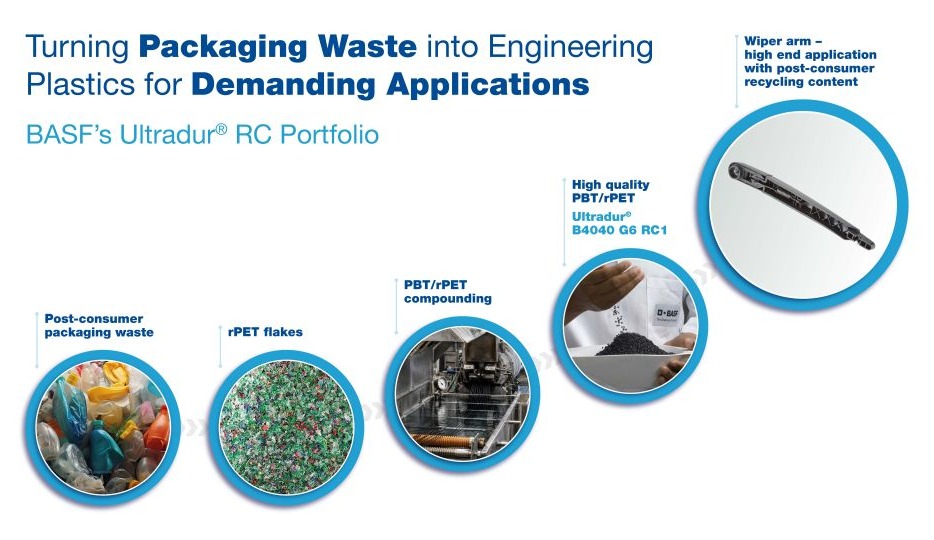
BASF is expanding its portfolio of engineering plastics with new Ultradur grades – a glass fiber-reinforced PBT/PET compounds containing up to 30% post-consumer recycled content.
Oct 7, 2026
Injection
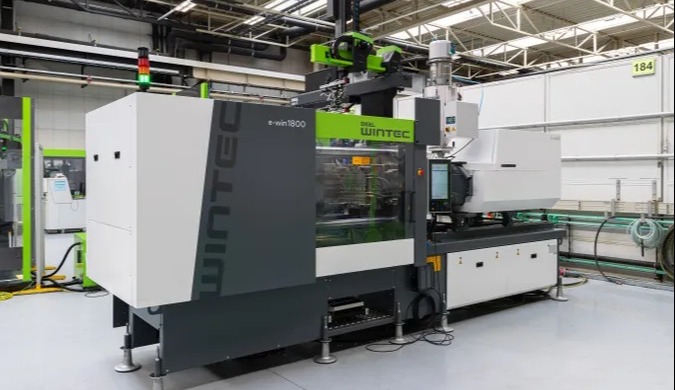
At Fakuma 2026, ENGEL will demonstrate production of automotive connectors with the electric WINTEC e-win 1800 and the new viper 6.
Oct 6, 2026
Recycling
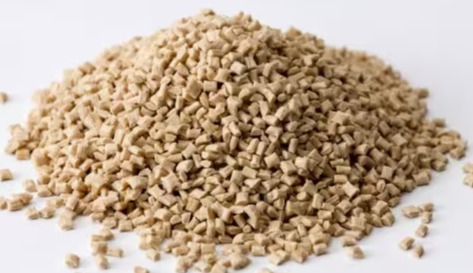
This technology selectively dissolves and separates PPS from the materials while retaining its polymer form, removing impurities more efficiently than conventional chemical recycling processes.
Oct 5, 2026