









Interview: ExxonMobil explores approaches to boost flexible packaging sustainability

COVID-19 crisis could potentially shift consumers’ sentiment to packaging hygiene and safety, however, sustainability remains a key focus in the packaging landscape. In an interview, expert from ExxonMobil Chemical - Francois Chambon, PE Strategic Global Marketing Manager – shared with Adsale Plastics Network how performance polymers can contribute to achieve the goal of circular economy across the packaging industry value chain.
Focusing on three emerging approaches with successful collaboration examples, Francois Chambon explained the “booster” role of performance polymers in increasing the sustainability of flexible packaging.
Increase recyclability with mono-material structures
One of the main challenges for circular economy is how to increase the recyclability of packaging. As one of the solutions to the goal, mono-material structure is gaining more applications in packaging.
“Mono-PE film structure is well suited to the traditional mechanical recycling process, it can be an efficient approach when the plastic waste is well sorted and is predominantly comprised of one type of plastic,” explained Francois Chambon.
“Continued simplification of packaging structures drives to mono-material solutions that can contribute to packaging circularity. One way this can currently be achieved is through the use of mono-directional and bi-direction oriented film technologies which we are also actively investigating,” he said.
ExxonMobil has been developing solutions in this area with value chain partners. For instance, Thanh Phu Plastic Packaging Co. started collaborating with ExxonMobil in 2016. The flexible packaging manufacturer based in Vietnam continually works to offer recyclable alternatives to conventional laminated film structures that typically are comprised of BOPA, BOPET, and BOPP laminated with either PE or PP.
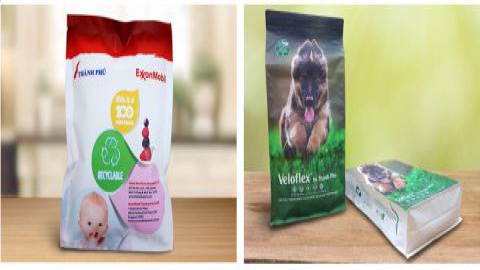
By leveraging ExxonMobil’s Exceed XP and Enable performance polymers and Thanh Phu’s Veloflex film-converting technology, this collaboration resulted in the development of recyclable pouches and bags in different shapes and sizes that can be recycled in the same collection stream as other PE material.
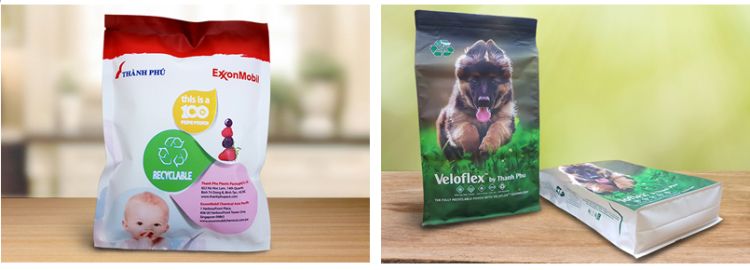
Thanh Phu and ExxonMobil successfully co-developed full PE recyclable pouches and bags in different shapes and sizes.
Increase recycled content by adding high-performance polymers
Another main challenge for circular economy is how to increase the recycled content of the packaging. Increasing the recycled content in a flexible film formulation could have adverse effect on the properties of the final packaging, said Francois Chambon.
Nevertheless, adding high-performance polymers can help boost performance in formulations with recycled content. In this case, he shared another successful collaboration project.
The Selene Group, an Italian-based PE film converter and recycler, and ExxonMobil worked together to test formulations for heavy duty sack (HDS) films based on 50% recycled PE combined with Exceed XP and Exceed performance PE polymers.
The inclusion of Exceed XP 8318 in the formulation helps to deliver high toughness to the HDS films, compensating for the degradation in the properties of the recycled PE during the mechanical recycling process.
Meanwhile, the inclusion of Exceed 1012 increases final film formulation bag drop resistance and enhances sealing performance.
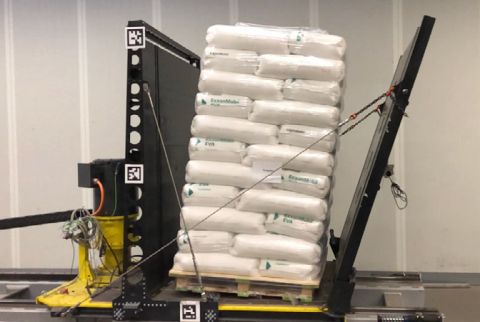
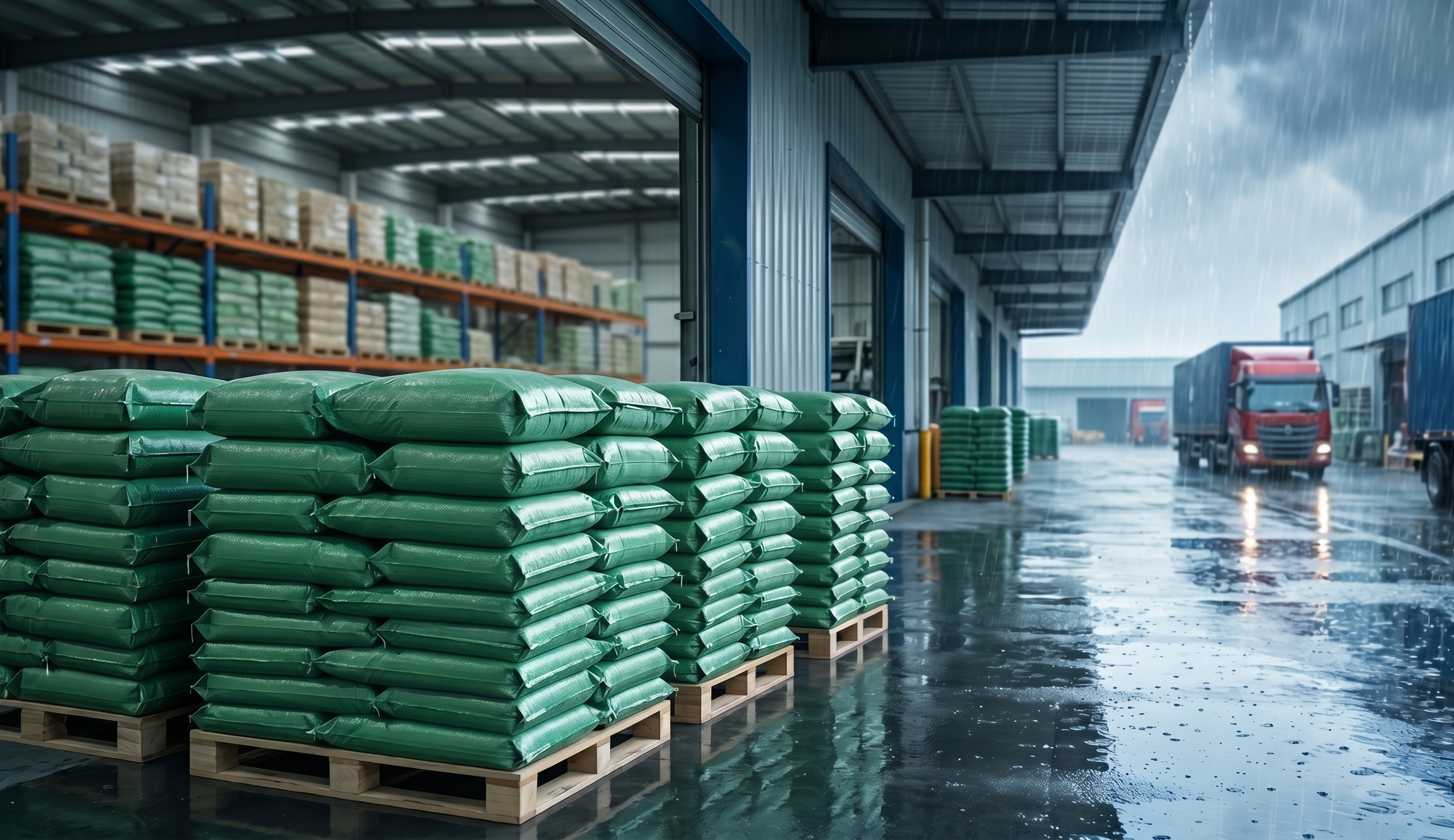
Pallets with Selene NextBag HDS which contain 50% PCR PE passed acceleration tests.
Material reduction with no compromise on performance
The incorporation of high performance polymers such as Exceed XP can also enable converters the ability to downgauge their films without compromising performance, added Francois Chambon.
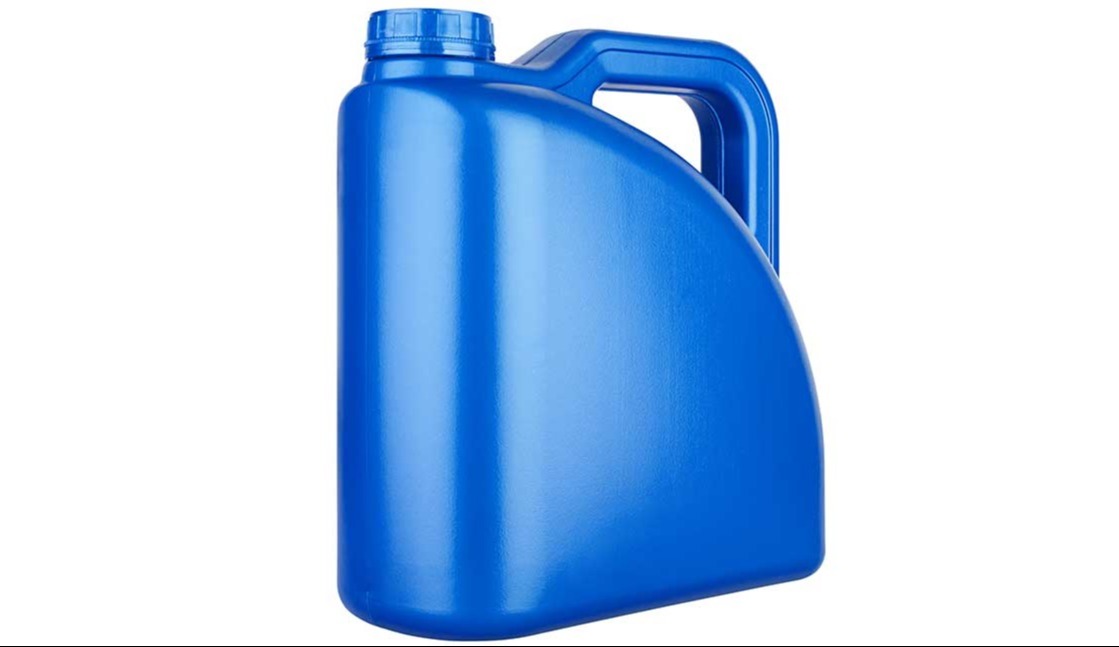
“An example is our work with Embaquim Industria E Comercio Ltda, a leading Brazilian liquid packaging producer, who wanted to fabricate high-integrity bag-in-box (BiB) packaging to transport liquids such as oils, chemicals and food concentrates,” he said.
Existing BiB solutions for such application are typically made with two or three thick PE films to help maintain packaging integrity while being transported over thousands of kilometers from where they are filled to where the products are used.
To reduce material used for the packaging, Embaquim and ExxonMobil worked together to develop a new solution for 1,000 liter BiB packaging, based on Exceed XP performance PE polymers. The result was promising in helping to reduce waste and minimize product returns.
As Francois Chambon pointed out: “Laboratory and transportation tests demonstrated that the new film solution, which contains Exceed XP 8656, delivers higher toughness and flex crack resistance than the incumbent film, while allowing a material reduction of up to 50% per bag.”
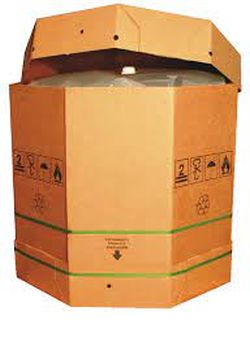
BiB solutions developed by Embaquim and ExxonMobil that reduce failure rates while using less plastic.
Talking about the focuses in packaging technology innovation of ExxonMobil in the next few years, the company, he remarked, will continue to improve its high performance polymers, looking to further boost performance, downgauge and incorporate higher percentages of recycled content, as well as looking at specific polymer functionalities in support of new packaging designs.
ExxonMobil plans to market certified circular polymers this year
ExxonMobil believes advanced recycling (chemical recycling) is a necessary complement to traditional mechanical recycling, and thus continues to make strides with its advanced recycling program.
Advanced recycling can enable society to capture more value from a broader range of products and can provide more flexibility in the sorting and separation processes, explained Francois Chambon.
“Besides, there are no known technical limitations regarding how many times a plastic product can be put through advanced recycling processes,” he added. “Advanced recycling also helps remove contaminants from used plastic.”
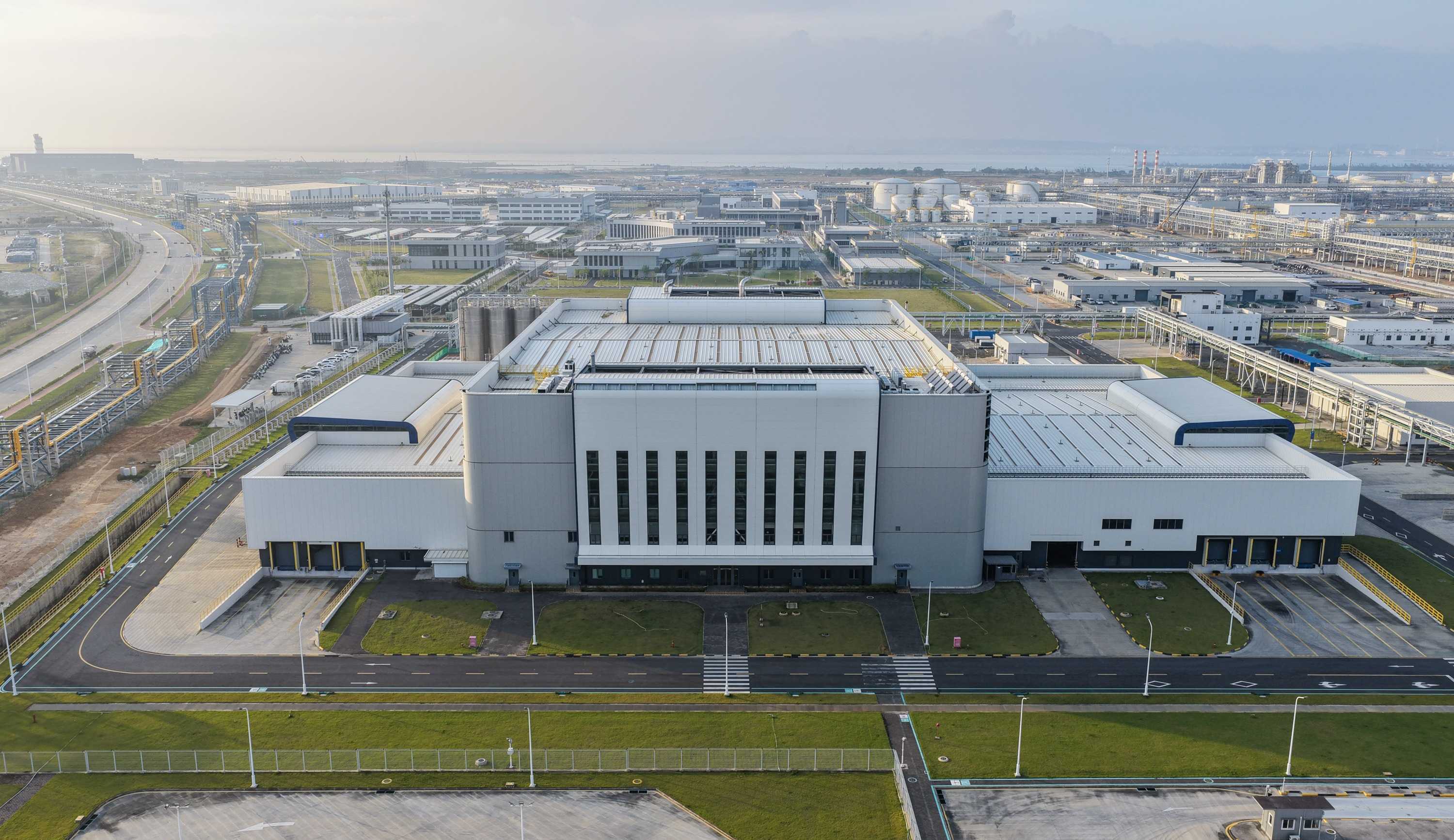
In Baytown, Texas, ExxonMobil completed the initial phase of a trial of its proprietary process for converting plastic waste into raw materials to make high-value polymers. The company plans to market commercial volumes of “certified circular” polymers later this year.
“We also intend to use the trial results to scale-up advanced recycling capabilities at other ExxonMobil chemical facilities around the world, which are integrated with our broader downstream operations and therefore offer important economies of scale that help to keep costs down,” noted Francois Chambon.
In October, ExxonMobil announced plans to build its first, large-scale plastic waste advanced recycling facility in Baytown, and is expected to start operations by year-end 2022.