








(Interview) Incom taps huge potential of food-grade rPET

Recycled content in food packaging is gaining wider global acceptance. Chang Tao, General Manager of Incom Recycle Co., Ltd., a leading recycler in China, calls for accelerating the development and standardization of food-grade PET recycling in the country.
Incom has started plastics recycling works in China since an early stage. The company has been particularly committed to the development of food-grade material recycling for many years.
At Beijing Olympics 2008, Incom was assigned to recycle and process disposed PET bottles at the Olympic stadiums. However, the progress in food-grade recycled PET (rPET) application was slow in the following years.
As circular economy continues to gain momentum, Incom sees development opportunities. In response to the national strategy for coordinated development of Beijing-Tianjin-Hebei region, Incom relocated to Tianjin from Beijing and restarted its production line with a capacity of 20,000-ton/year.
“In order to adapt to the new changes in the PET bottle market in China, we have fully upgraded our production lines after the relocation. We aim to become the role model of food-grade material recycling (bottle-to-bottle) in China,” Chang Tao, General Manager of Incom Recycle Co., Ltd., told CPRJ in an interview.
Incom’s old plant in Beijing was established in 2005, and the relocation plan was confirmed at 2018. In November 2020, the new food-grade polyester recycling plant started production in Tianjin Baodi Economic Development Zone.
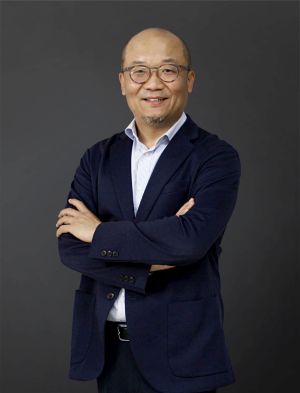
Chang Tao, General Manager, Incom Recycle Co., Ltd.
New modern facility with traceability platform
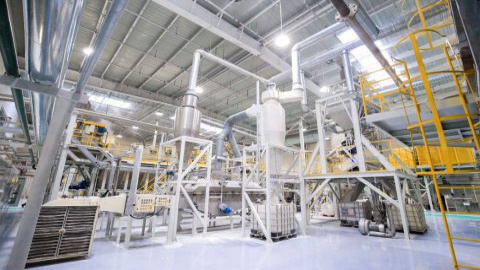
The new facility in Tianjin has implemented several major modernization projects. Firstly, in addition to maintaining the original production equipment, the plant has added new high-temperature washing systems. It greatly improved the quality of collected bottles through high-temperature washing, decontamination and adhesive removing, effectively reducing the energy consumption needed during post processing.
Secondly, intelligent monitoring system has been adopted to secure the stable operation of the production line. The increase in automation level of the production line and the enhancement of core technology of the laboratory ensures organized production processes and high product quality.
Besides, the off‑gas and sewage treatment systems have been upgraded. Incom further regulates the operations of different departments where the standards are even higher than national requirements. The company also set up an information traceability platform for systemic management and strict quality control of the supply chain.
“According to the policies of the EU, the source of food-grade rPET must be verified as food-grade packaging but not industrial sources such as scraps,” explained Chang Tao. “Some foreign countries have relatively mature systems for recycling and processing recyclates. At present, there is still a lot of room for development in China.”
With the setup of independent traceability code, the information traceability platform provides a complete process tracking, from supplier details, source of plastic waste, recycling processes to product delivery.
Besides, having video and photo records of each process, responsibilities can be allocated to different parties. The platform creates communication channels between suppliers and the plant to make sure that the sources of waste plastics are safe.
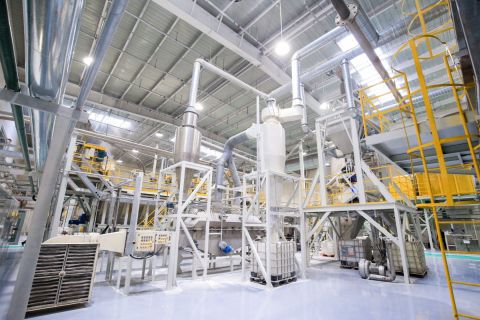
Incom has upgraded its production lines.
Chang Tao said all suppliers have already registered and used the traceability codes. Incom requires its strategic business partners to sort, wash and handle PET bottles in accordance with the company’s standard.
“Incom will be increasing the interconnection among downstream enterprises, supply chain, and the plant. In this way, data support can be provided for downstream enterprises when necessary,” he said.
In addition, Incom plans to open the information traceability platform and allow industry peers to join, so as to accelerate the development of the plastics recycling industry.
Huge potential for food-grade rPET
According to the latest data from ICIS, 66% of the world's rPET is used in the synthetic fiber sector, which is in fact “downcycling”. Applications in food-grade to food-grade recycling, which create more value for the economy and environment, are still uncommon.
Chang Tao emphasized that “downcycled” materials are difficult to be recycled into food-grade materials again, and it is not beneficial to upstream raw material saving.
“More importantly, the demand for food-grade rPET packaging is high from some foreign countries and enterprises, causing supply shortage of the material. That presents huge market potential,” he added.
Therefore, from the perspectives of both sustainable development and economic value, Incom will focus on food-grade to food-grade PET recycling.
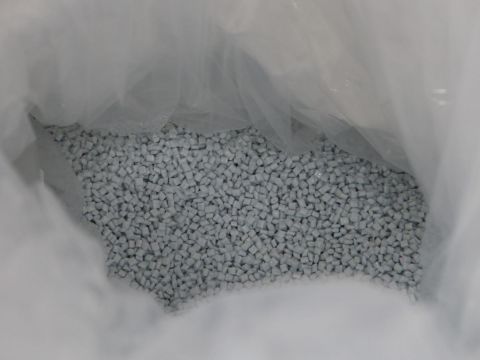
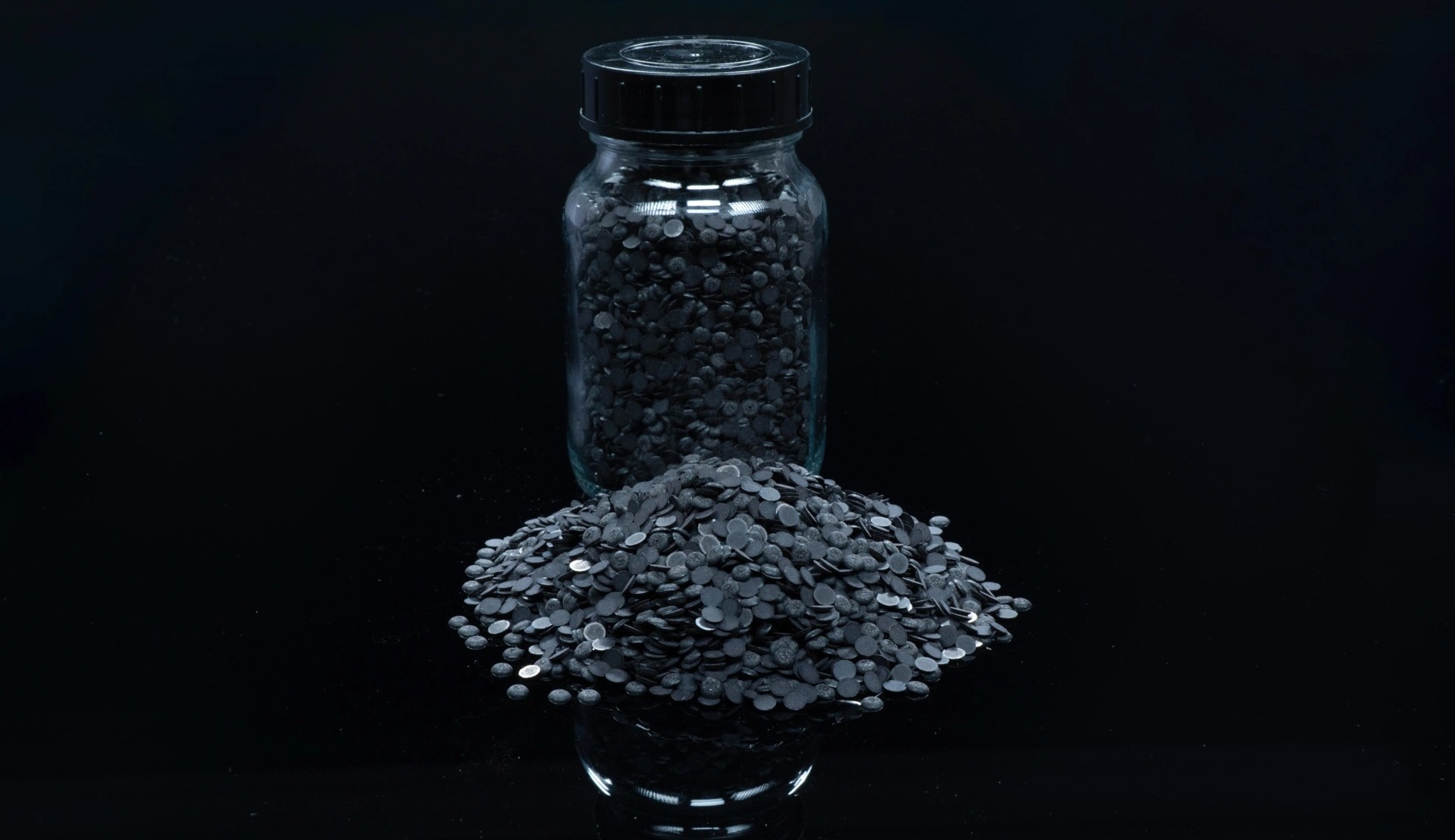
Incom’s food-grade recycled polyester flakes.
The rPET production technology of Incom is approved by the U.S. Food and Drug Administration (FDA) as well as certified by SGS and Global Recycled Standard (GRS), while the approval from the European Food Safety Authority (EFSA) is in progress.
The recycled bottle-grade polyester of Incom passed the safety assessment of Ministry of Health and General Administration of Quality Supervision, Inspection and Quarantine of China, and received the Guobiao GB31604.5-2016, GB4806.6-2016 and GB17931-2018 certifications, and is allowed to be used in food packaging in China.
Although Incom has obtained the relevant national certifications, joint efforts of the industry are needed for further market development, and therefore, the company actively participates in the development of regulations and certifications of food-grade rPET in China.
Chang Tao revealed that organizations and enterprises have been establishing standards for processing and product quality. “It is expected that there will be results in the next one or two years,” he noted.
Although the COVID-19 pandemic has disrupted the plastics recycling industry, Chang Tao is still optimistic about the market future.
“European countries have a wide range of applications in food-grade recycled material packaging, the demand is high. China is also actively exploring and promoting the implementation of relevant regulations,” he concluded.
Incom is striving to increase the production capacity of its recycled bottle-grade polyester to 50,000 tons/year by the end of this year. The company also plans to build more plants in other parts of China to meet the increasing market demand.