












Sulapac develops cosmetics packaging solution without microplastic pollution

Forerunners the beauty and personal care industry have been looking for sustainable packaging solutions. While around 90% of the cosmetics markets consist of water-based emulsions, there has not been an alternative for water-based products that biodegrades without leaving permanent microplastics behind.
Regarding this, Sulapac has launched a ground-breaking, patent-pending material for them which is fully sustainable and meets industry standard requirements.
“I’m excited that we managed to create a sustainable barrier that is suitable for water-based products. We are pleased to offer a real game-changer to our customers together with the industry leaders like our Preferred Partner for Cosmetics, Quadpack,” said Dr. Suvi Haimi, CEO and co-founder of Sulapac.
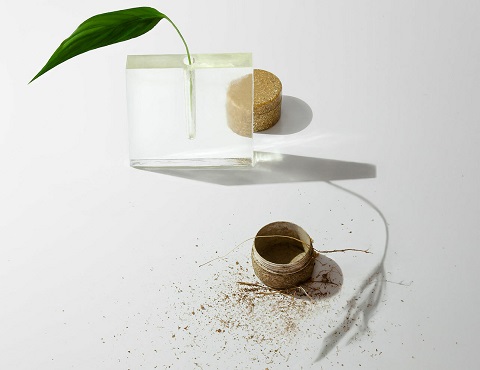
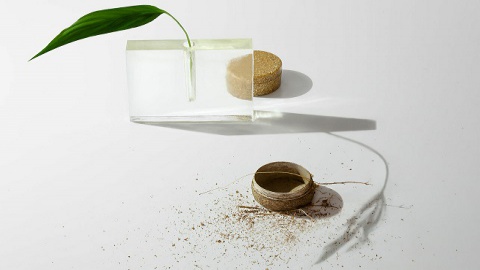
Sulapac has created jars for water-based cosmetics that biodegrade without leaving permanent microplastics.
Sulapac is also announcing a new flexible material designed for thin-walled jars with very good impact strength. It has low carbon footprint based on eco-design, climate conscious raw materials and cost-efficient, high-volume manufacturing.
Combined with the Sulapac barrier, the company’s partners provide a compelling portfolio of different sized jars for both oil and water-based cosmetics. They also give support throughout the process, a turnkey solution.
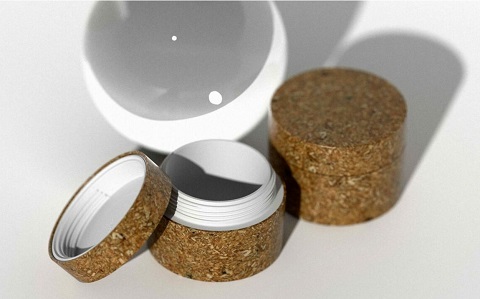
Together with partners, Sulapac provides a compelling portfolio of jars for both oil and water-based cosmetics.
“The new barrier developed by Sulapac allows us to continue to offer sustainable innovations that meet and exceed market demands. From new capacities to cutting-edge technical solutions, Quadpack is happy to provide an ever-growing product range in Sulapac material to all beauty brands,” stated Pierre Antoine Henry, Head of Categories at Quadpack.
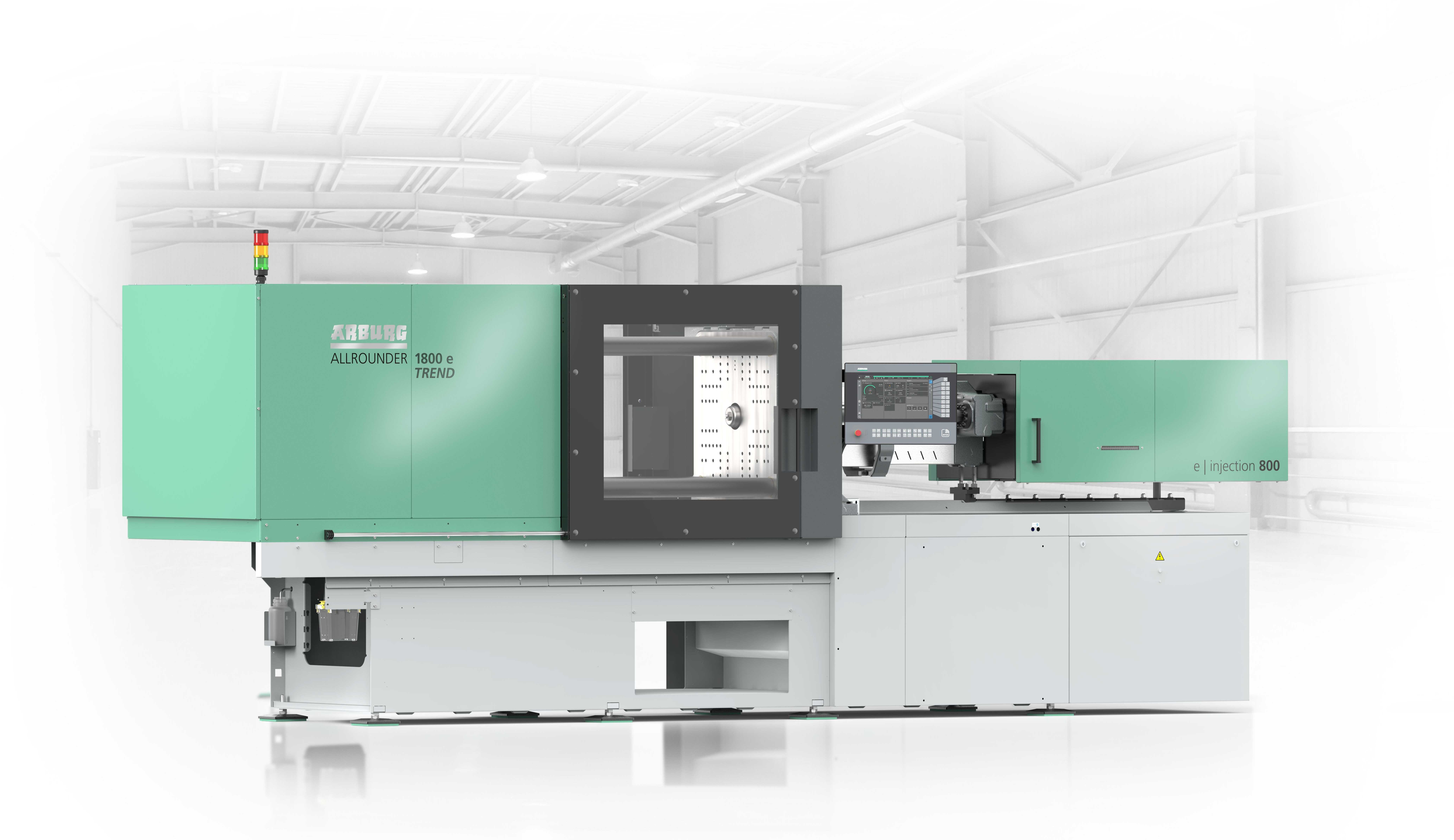
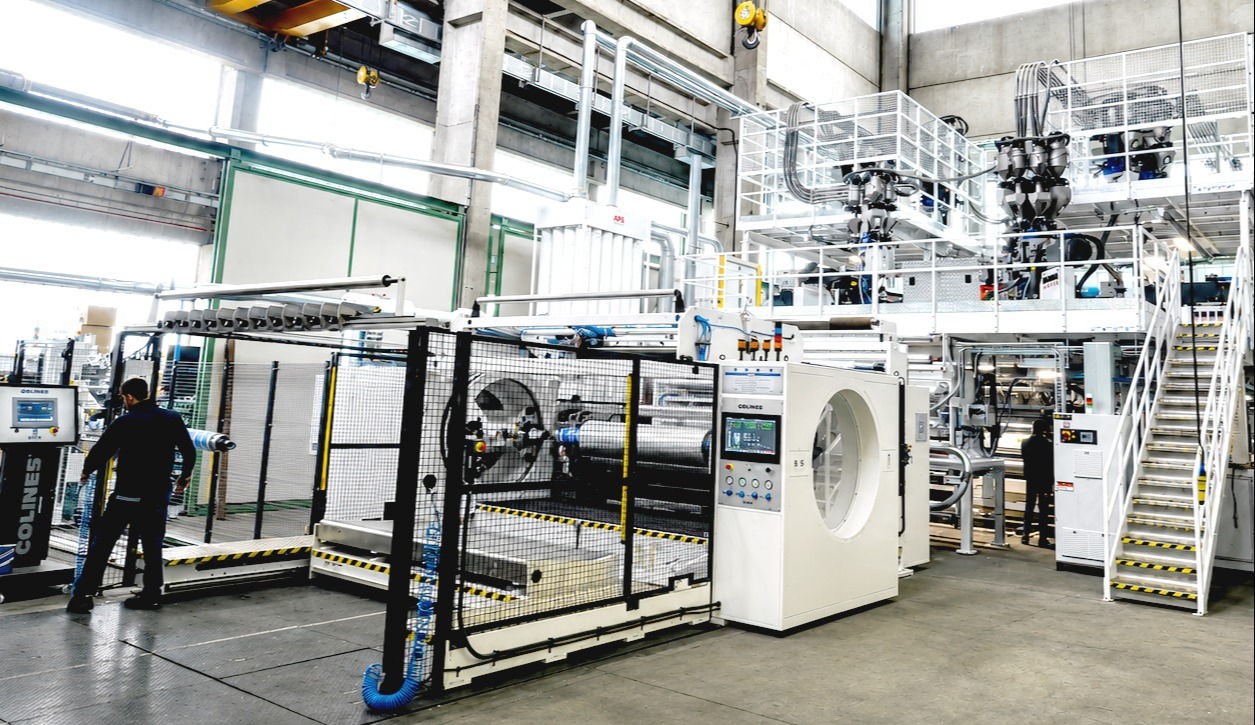
Sulapac has made sure that the switch from conventional plastics is as easy as possible. The drop-in solution material can be mass produced with the existing plastic machinery.
Currently, the ideal way to recycle a product made of Sulapac material is via industrial composting. It biodegrades without leaving permanent microplastics behind. Mechanical and chemical recycling are also viable options, and Sulapac is developing a closed-loop system. The Take Back Sulapac pilot will be launched in the near future.