









Hosokawa Alpine’s Rotoplex cutting mill facilitates direct recycling on lithium-ion batteries

Rejects are unavoidable during battery manufacturing process. In total, about 10% (or more depending on the process) of the coated cathode or anode films end up as rejects and have to be recycled. Hosokawa Alpine has developed a range of solution for direct recycling in this area.
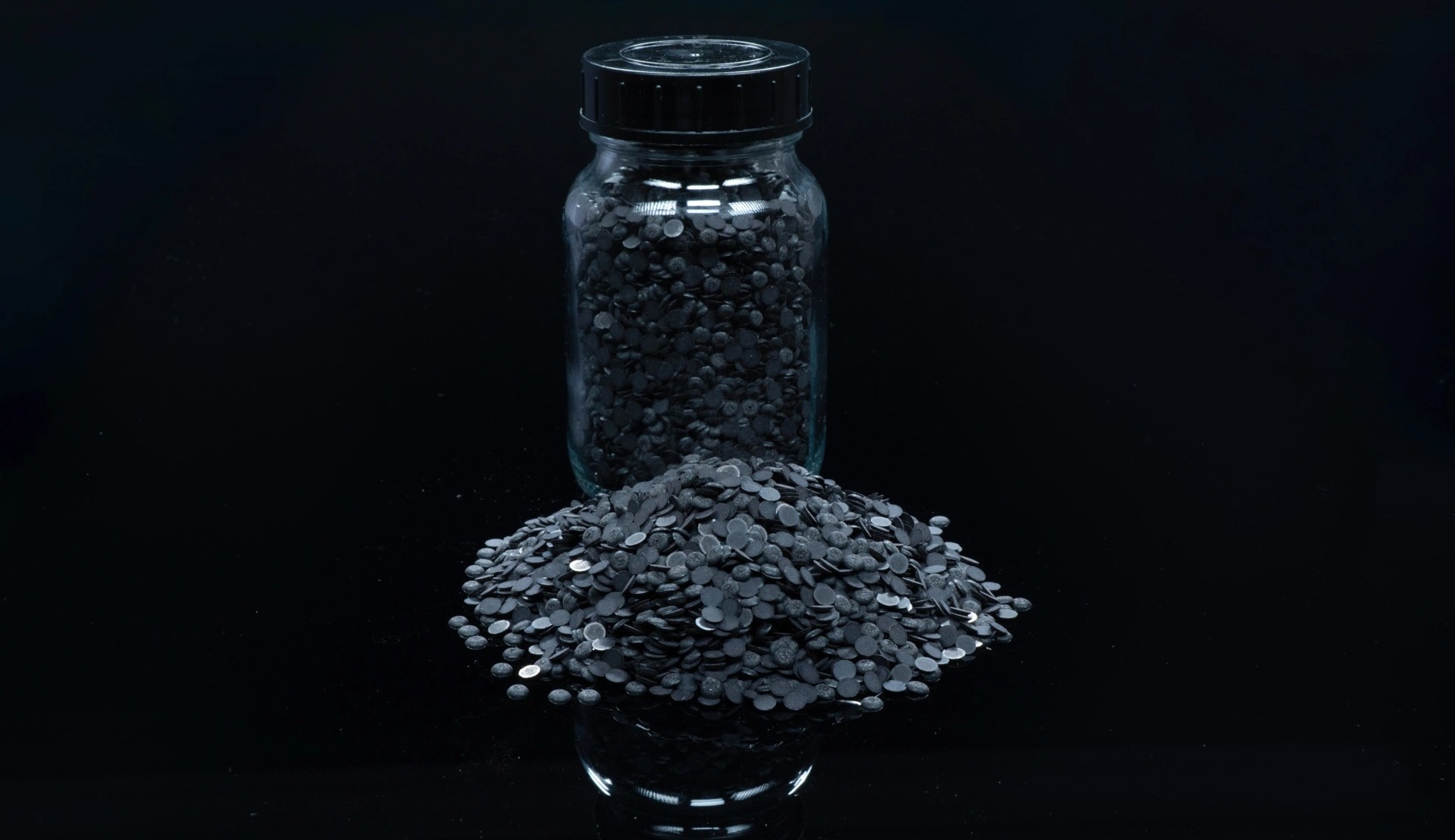
In particular, the valuable active materials – NMC or LFP of the cathode films or the graphite-silicon mixtures of the anode films, should be processed and directly recycled free of impurities.
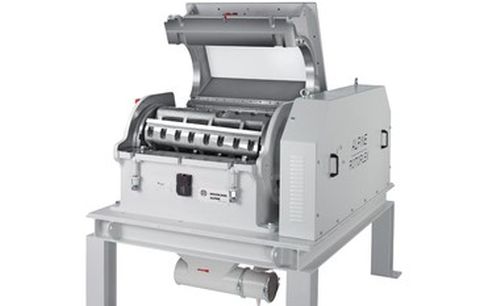
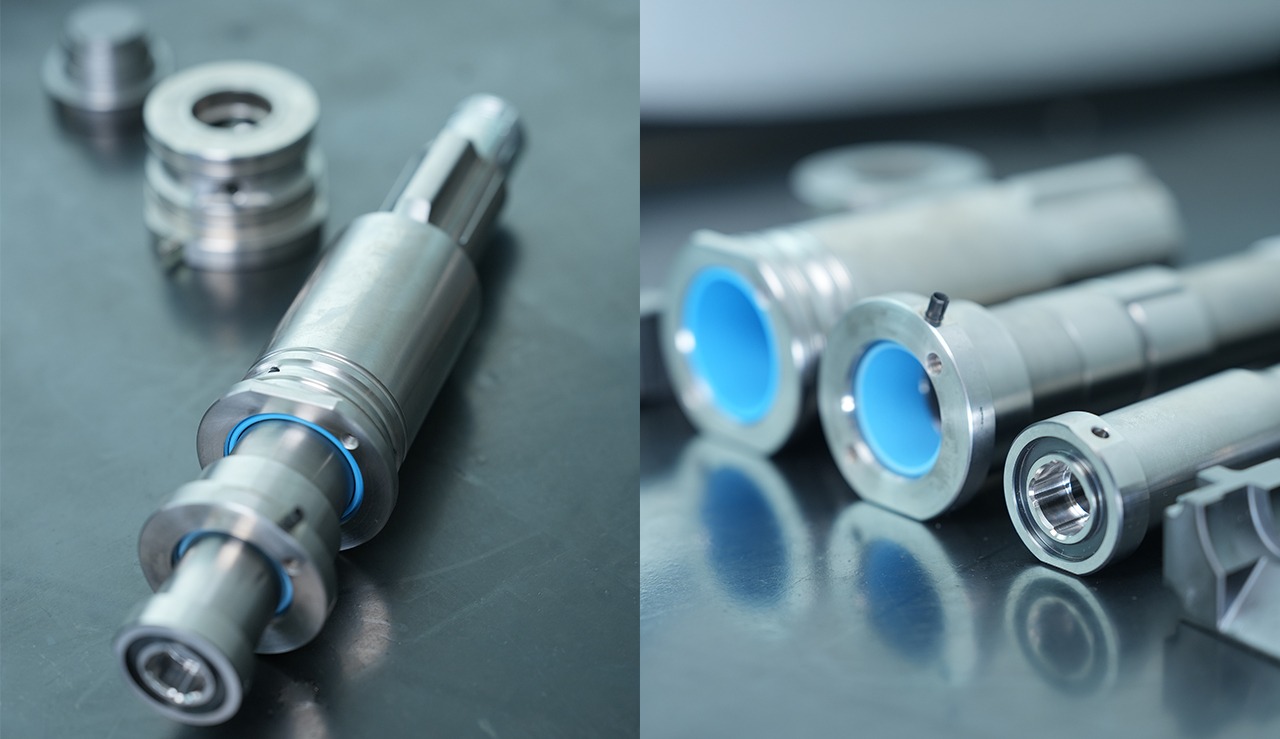
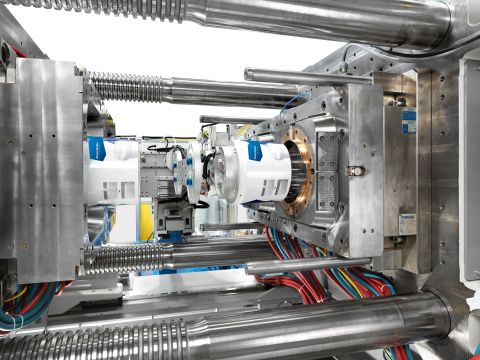
The first step of Hosokawa Alpine’s solution is grinding the scrap material using Hosokawa Alpine’s Rotoplex cutting mill, which has to be operated with inert gas for safety reasons and to protect the material.

Rotoplex cutting mill can efficiently grind scrap produced during battery manufacturing for direct recycling.
This cross-scissor-cut rotor is available in a variety of sizes and can process throughputs from 250 to 3800 kg/h. Its efficiency is also ensured by its very low energy input into the material. The feed can either be supplied directly from coils via unwinding devices, or as “crumpled material” via a feed chute. Both handling is guaranteed under a controlled atmosphere.
The next step in direct recycling is to delaminate the aluminum or copper film, which means to detach the cathode or anode material from the supporting film. Hosokawa Alpine offers various solution to this step.
Depending on the process, almost all active material can be fed directly back into the process. If required, optional further preparation and fine grinding can be carried out so that the material scrap can be optimally fed back into the coating process.
“Direct recycling makes battery production more efficient, and the cathode and anode material can be almost completely recycled. Customers also save themselves the effort involved in external recycling,” concluded Thomas Weischer, Operations Director Recycling Division.