






















Cooperation on value chain produces bio-based polymers for construction sector

Neste, LyondellBasell, Biofibre and Naftex have created a value chain to combine bio-based polymers with natural fiber for the manufacturing of construction elements. Polymers with measurable bio-based content and natural fiber in construction elements creates carbon storage which help tackle climate change.

Posts for fences made of natural fiber reinforced plastics. (Source: Naftex)
The four companies are responsible for different roles in the cooperation. Neste provide renewable Neste RE, a feedstock for polymers production 100% made from bio-based materials such as waste and residues, to LyondellBasell.
LyondellBasell processes the feedstock into CirculenRenew C14 polypropylene with measurable bio-based content as part of the company’s CirculenRenew portfolio. The CirculenRenew product used has a measurable renewable-based content which can be determined by C14 analysis.
Biofibre then use the polypropylene to produce natural fiber reinforced plastics granules, which is its new product line BioSustra based on bio-based polyolefins.
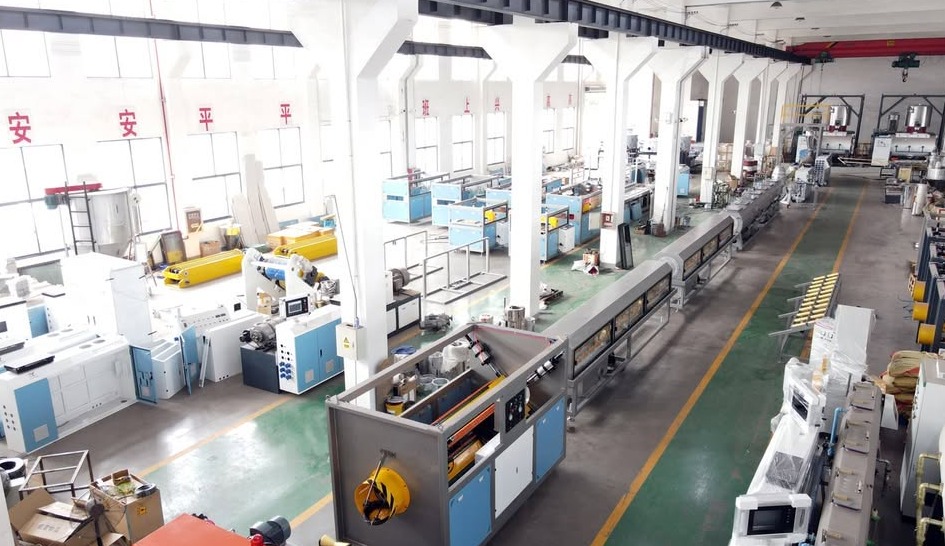
At last, Naftex extrudes these granules into construction elements, such as posts for fences and profiles for terrace deckings.
By combining bio-based polymers with natural fiber, the production of construction solutions will have a lower carbon footprint.
The construction elements can also serve as a temporary carbon storage that during their use phase, usually in years or even decades, they can store the carbon that was previously sequestered from the atmosphere during the growth phase of the biomass used in the construction elements.
An LCA study created by GreenSurvey for Biofibre confirms that the amount of carbon removed from the atmosphere by the biomass exceeds supply chain emissions from logistic and manufacturing of the reinforced plastic granules.