



















OCSiAl constructs graphene nanotube facility to enhance performance of 1 million EVs

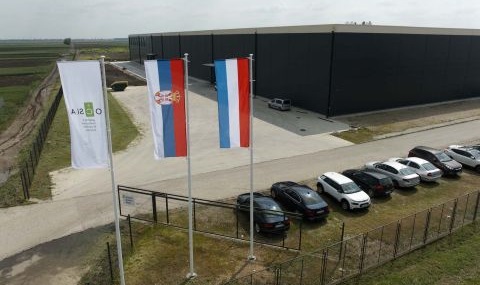
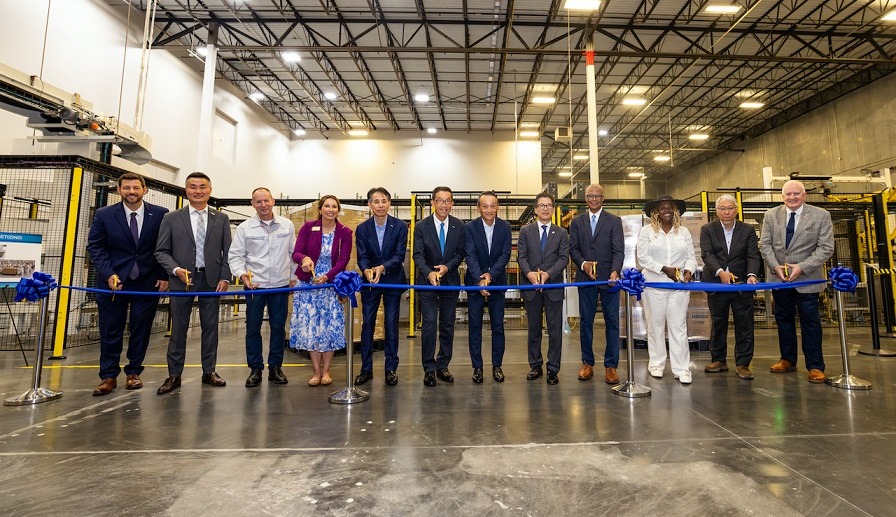
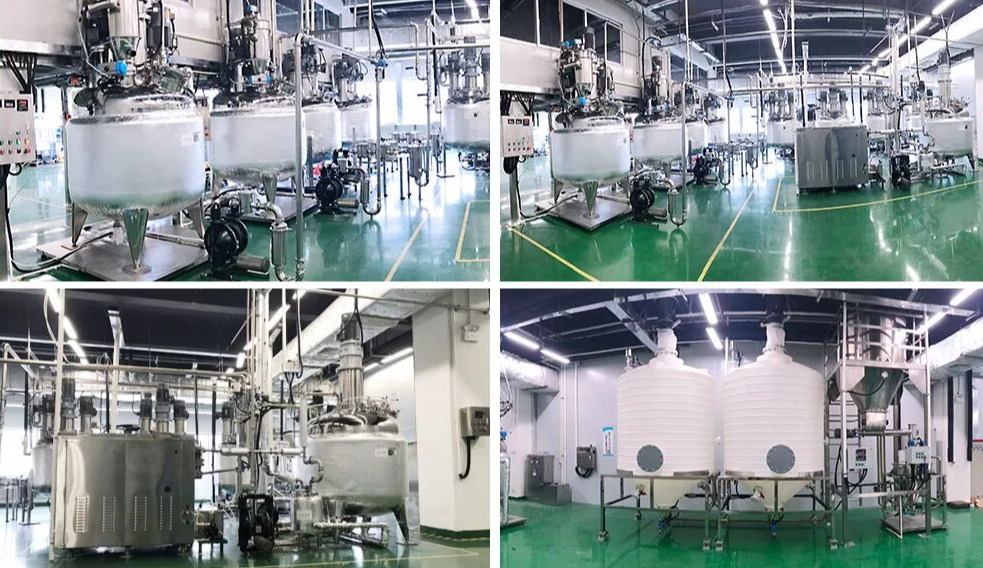
OCSiAl is constructing a nanotube production facility near Belgrade, Serbia. The new plant is expected to be launched in 2024 and will have a planned annual capacity of 120 tons.
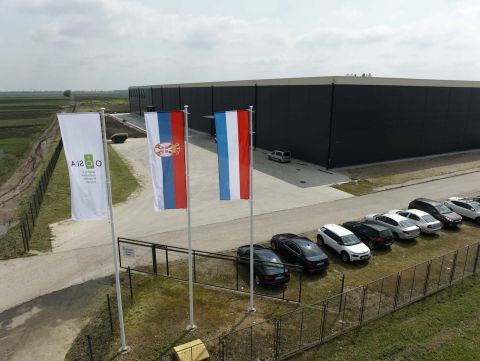
OCSiAl is constructing its nanotube production facility in Serbia.
The production facility will synthesize nanotubes and manufacture nanotube suspensions for lithium-ion battery manufacturers in Europe, the US and Asia. The number is expected to enhance the performance of more than 1 million electric cars (EVs) with an average battery capacity of 75 kWh per car.
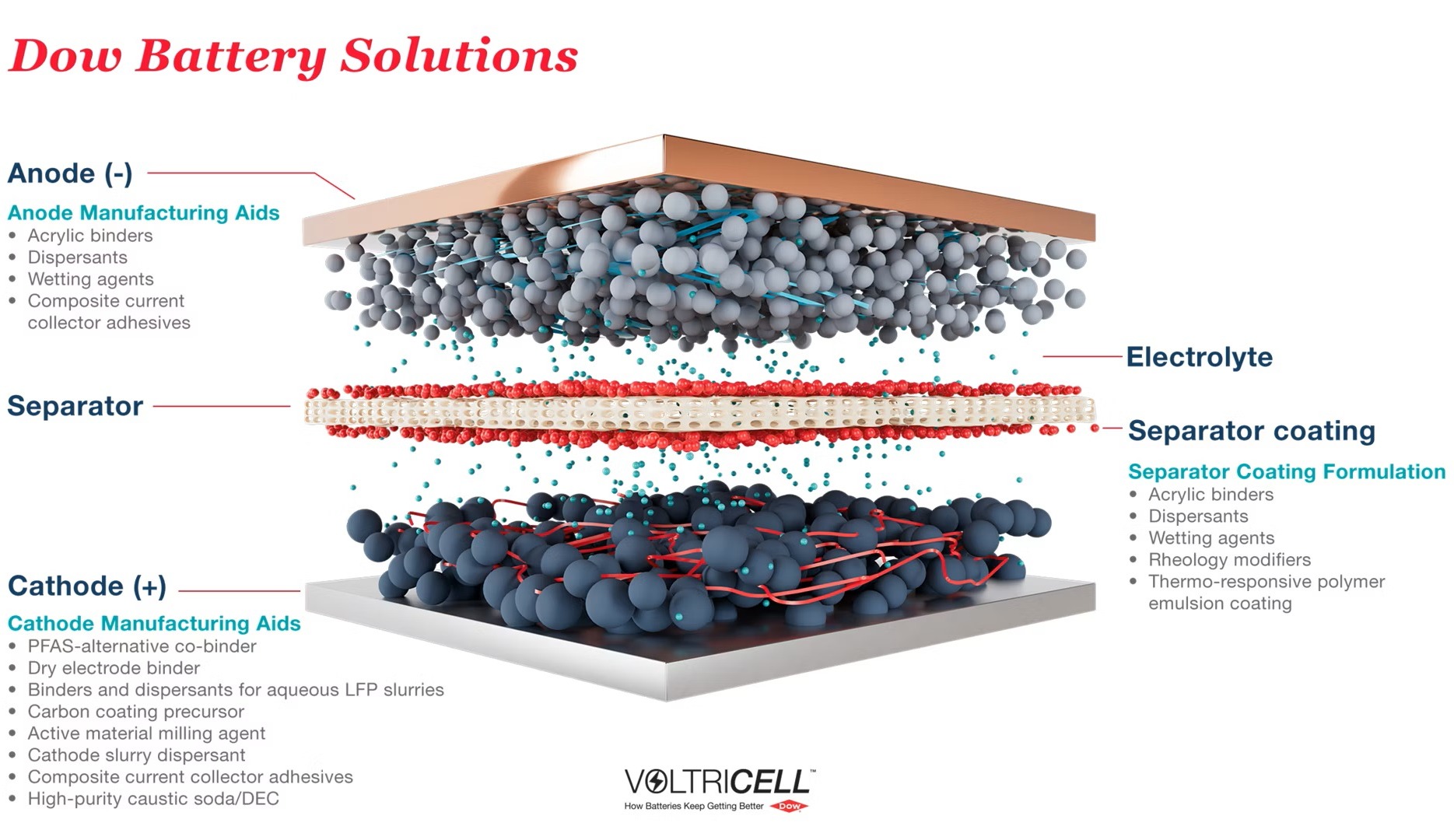
OCSiAl nanotubes create long and robust electrical networks between active material particles, improving key battery characteristics, including cycle life, lower DCR, C-rate performance, and cohesion between active battery material particles – making the battery electrodes more durable.
Graphene nanotubes unlock new battery technologies, including high-silicon content anodes, thick LFP cathodes, fast-charging graphite anodes and so on. They can be applied in both conventional and emerging battery tech, such as a dry battery electrode coating process and solid-state batteries.
Furthermore, the new production facility will also manufacture nanotube concentrates for high-performance polymers.
The new nanotube hub has passed environmental impact assessment and it is 100% powered by green energy. The plant is planned to be certified in accordance with ISO 9001, ISO 14001, and ISO 45001, and to be compliant with the IATF 16949 automotive industry standard.
In conjunction with OCSiAl’s operational R&D center and planned graphene nanotube synthesis facility in Luxembourg, the Serbia nanotube hub will significantly strengthen the stability of OCSiAl’s supply chain and increase the cost-efficiency of nanotube technologies.