












Carbios unveils automated textile preparation line for enzymatic recycling

Carbios developed a fully integrated and automated textile preparation line that transforms textile waste into raw material for enzymatic recycling. Currently, the textile preparation phase is carried out by hand or on several lines. The new preparation line was inaugurated at the demonstration plant in Clermont-Ferrand, France.

French Minister of Industry, CEO of Carbios, and representatives of Carbios partner brands, inaugurates the textile preparation line.
Processes in the preparation line
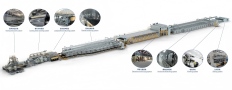
The preparation line processes textile waste from used garments or cutting scraps into raw material suitable for depolymerization with its enzymatic biorecycling process. It integrates all preparation stages, including shredding and extraction of hard points such as buttons or fasteners.

A Carbios’ employee loads textile onto the preparation line.
Textile, including used garment and cutting scraps, are first loaded onto the production line and shredded. The “hard points” metallic and non-metallic residues such as buttons and zips are removed in several steps. On the exit, the material is suitable for enzymatic recycling.

A Carbios’ employee inspects shredded textile waste without hard points at the end of the process.
Carbios’ preparation line filed a patent in 2023. Processing capacity of the patented preparation line is 300kg textiles per hour, in a continuous process.
Enzymatic recycling to tackle textile recycling challenges
Traditionally, textile is difficult to be physically separated due to its highly complex materials with yarns of different composition. However, the highly selective enzyme developed by Carbios can specifically depolymerize the PET (polyester) present in textile material.

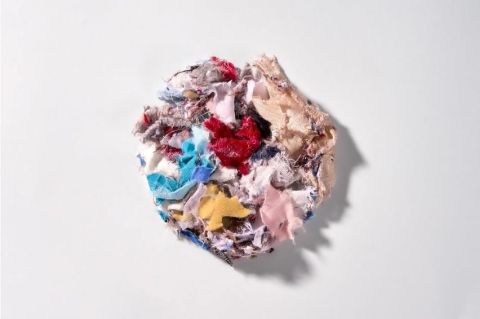
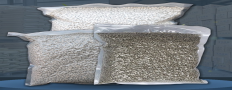
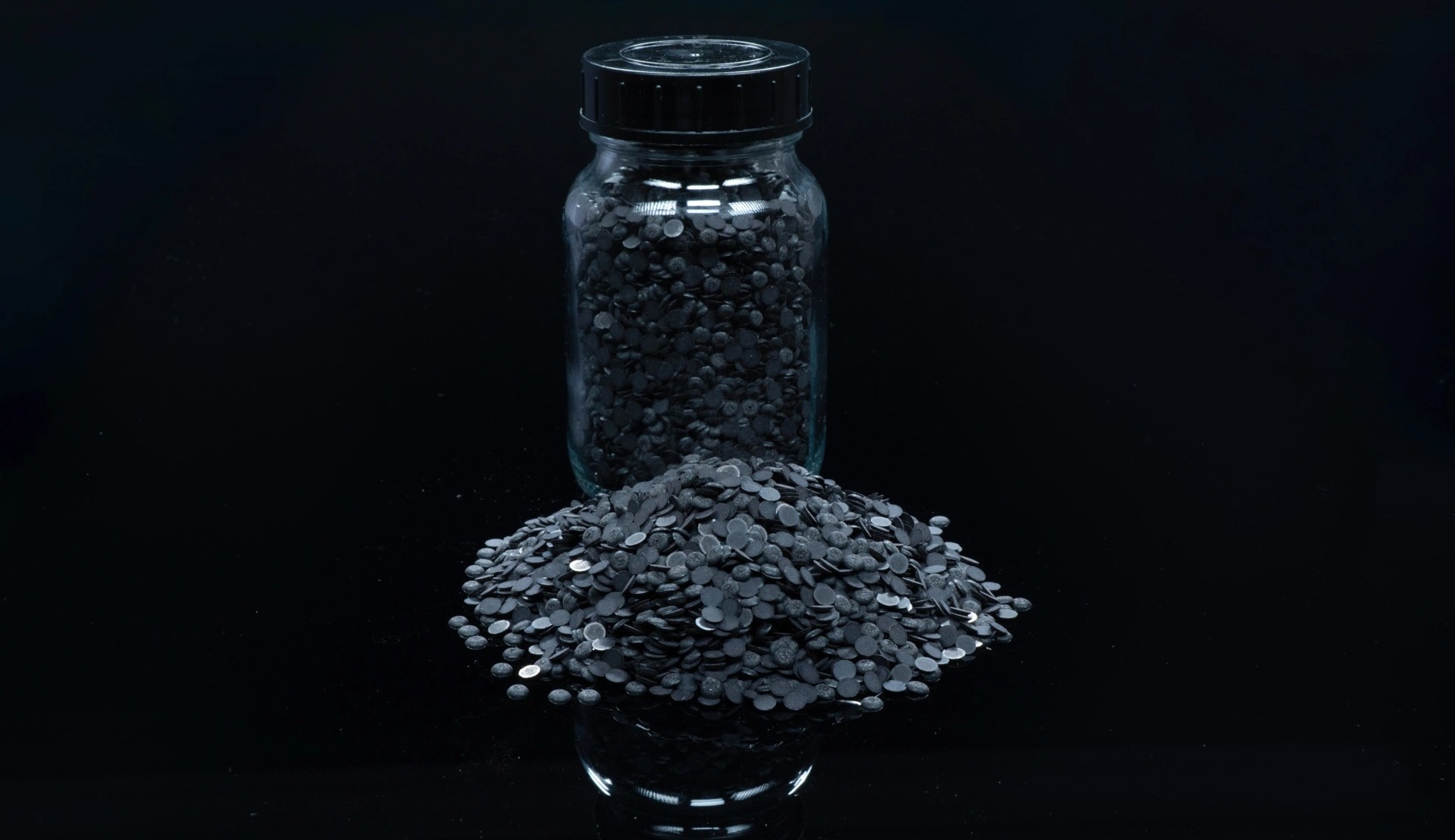
Shredded textile waste from the preparation line is suitable for enzymatic recycling.
Enzymatic recycling, or biorecycling, contributes to the construction of textile recycling chain and the acceleration of textile circularity. This method is also applicable on used bottles.
The platform will help validate the biorecycling technology for textiles at demonstration plant scale by 2024.
A push from EU
Separation collection of textile waste will be mandatory in Europe from 1 January 2025. By 2030, the EU intends to set a minimum content of recycled fibers in the composition of textile.
Carbios’ preparation line enables a closed-loop “fiber to fiber” recycling and achieves full circularity in textile industry.