



















Polyplastics at Fakuma: Highlight developments in new materials and sustainable initiatives

Polyplastics Group, a global supplier of engineering thermoplastics, will highlight its expanded product portfolio, material supply capabilities and sustainable initiatives at Fakuma 2023 in Germany.
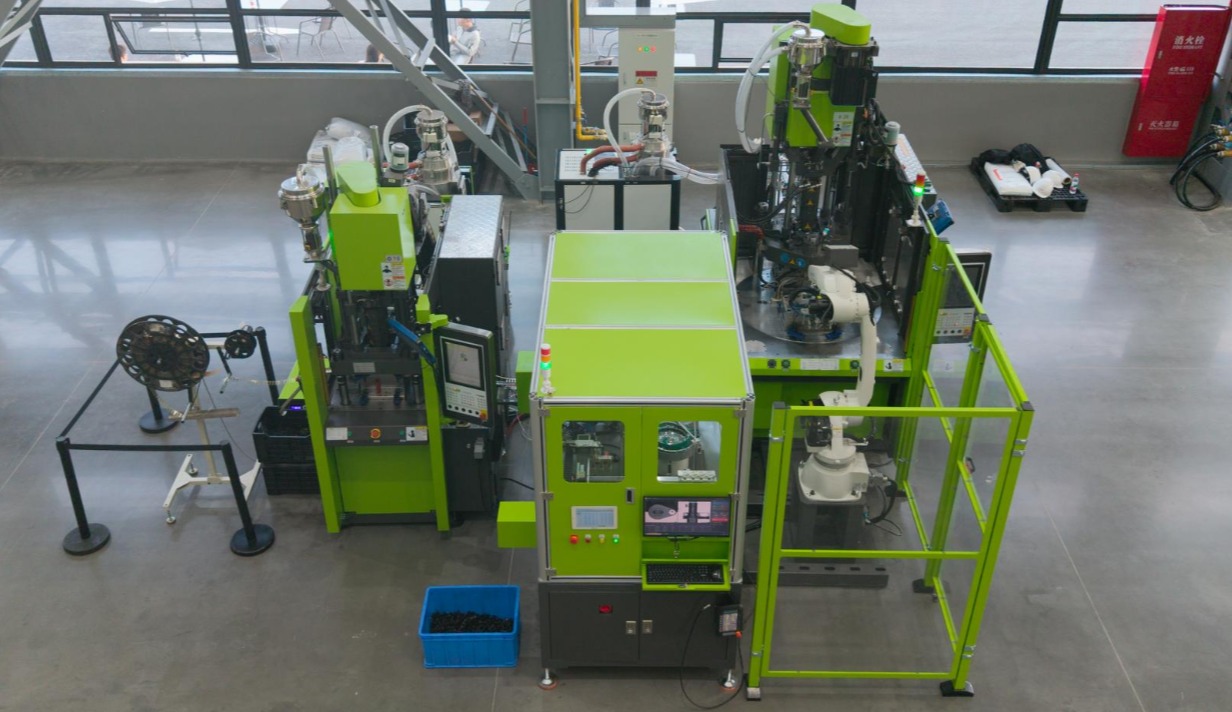
The company will present its latest developments in POM, high-performance engineering thermoplastic, 3D printing technology, as well as sustainable solutions, which address the demanding end-use requirements in the medical, electrical/electronics and automotive industries.
Expanded solution portfolio for medical applications
DURACON POM (Polyoxymethylene/Acetal) PM Series for medical applications is commercially available to all global regions.
Polyplastics’ high-purity TOPAS COC (cyclic olefin copolymer) has served the medical and healthcare field for decades. The company now adds the PM Series to its medical grade portfolio and plans to expand material supply to the medical and healthcare market.

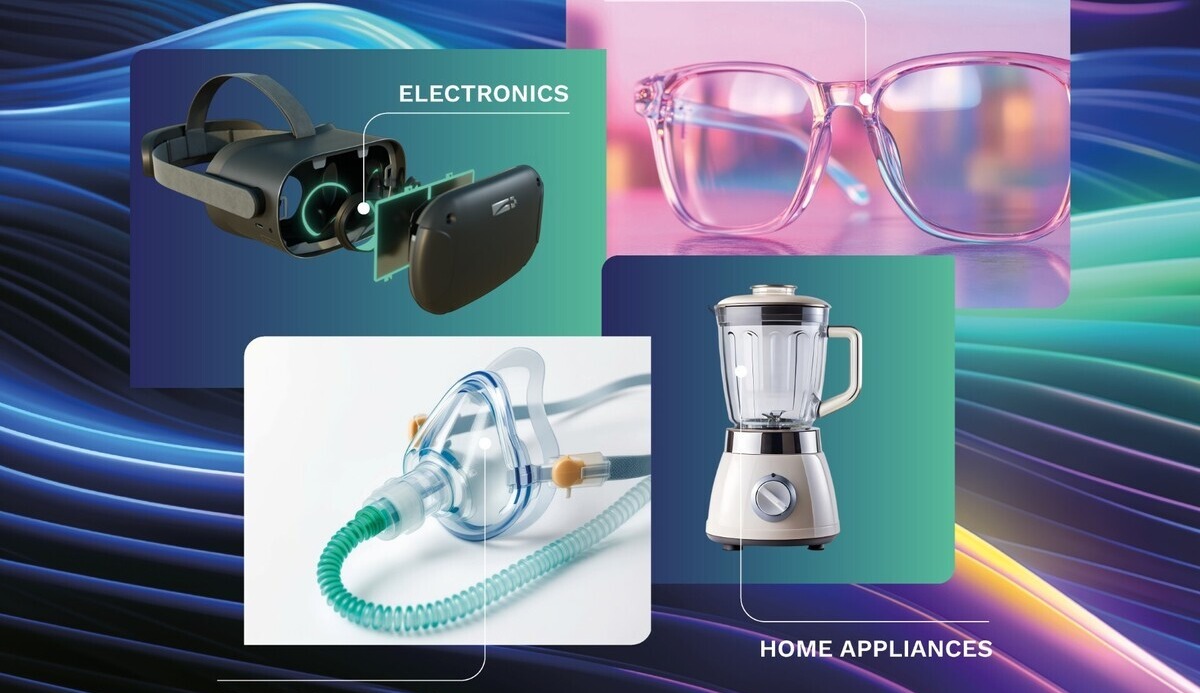
TOPAS COC is used in medical and healthcare field.
Two acetal grades include a standard viscosity grade – PM09S01N, which delivers the reliable mechanical properties and moldability expected from POM. Additionally, a high-flow grade – PM27S01N, will enable wall-thinning, miniaturization and lightweighting of medical devices that are becoming more complex and highly functional.
High-performance engineering thermoplastic
Polyplastics will introduces its lineup SARPEK polyetherketone (PEK), a highly advanced material solution for metal replacement, at Fakuma.
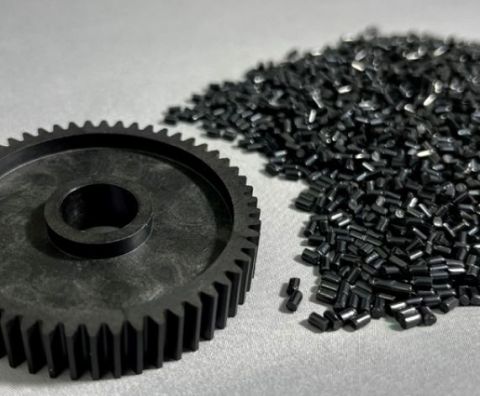
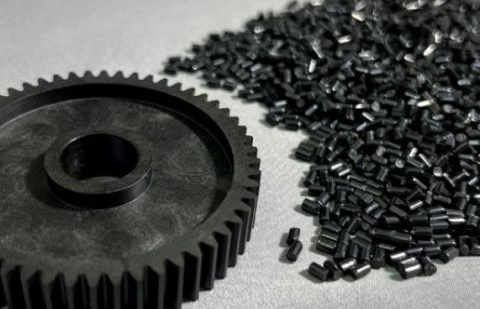
SARPEK PEK, with superior strength and heat resistance ability, can replace metal.
The new material is an engineering plastic in the upper end of crystalline super engineering plastic hierarchy, an advancement upon polyetheretheketone (PEEK) which delivers a high crystallization rate and high molding efficiency.
It also features higher heat resistance and superior strength to replace metals in harsh environments where other crystalline super-engineering plastics fail and metals are heavy and noisy.
Bioplastic for 3D printing and sustainability
Polyplastics’ parent company, Daicel Corporation, has undertaken a new sustainability initiative with a tradename CAFBLO. The new bioplastic is a non-edible biomass cellulose acetate resin for injection molding and extrusion applications.

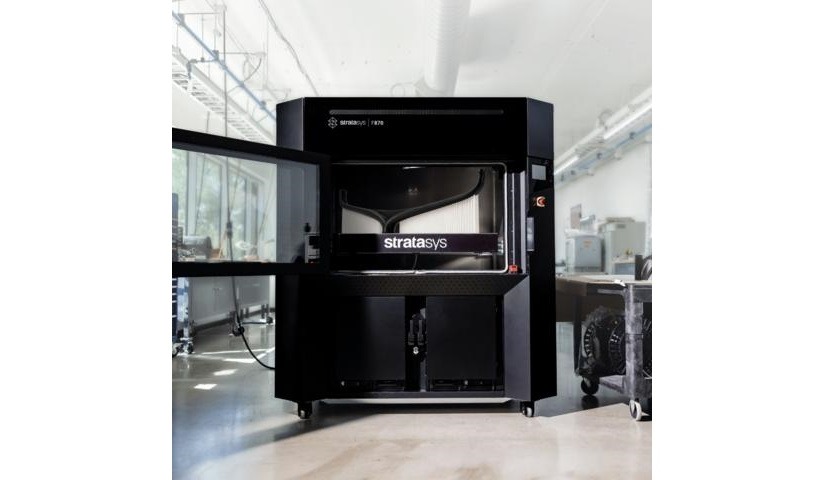
CAFBLO can be used in 3D printing.
Made from cellulose acetate, acetic acid and biodegradable plasticizers, the new cellulose acetate is transparently clear and biodegradable in sea water by microorganisms. It also holds high antibacterial activity against Staphylococcus aureus and Escherichia coli.
CAFBLO targets for a range of uses including 3D printing applications using the melt stacking method (FDM) which can print large-scale parts. The bioplastics can be recycled multiple times with little physical property deterioration during repeated molding.
Latest sustainability initiatives
PLASTRON LFT is a long cellulose fiber-reinforced polypropylene (PP) resin which targets on automotive applications, such as door module carriers, center consoles and armrest cores.
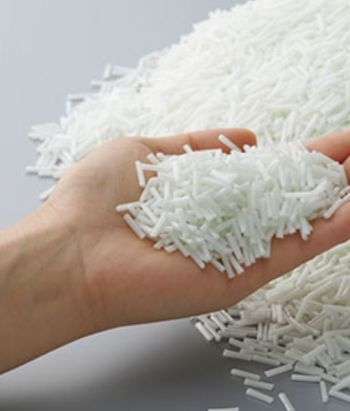
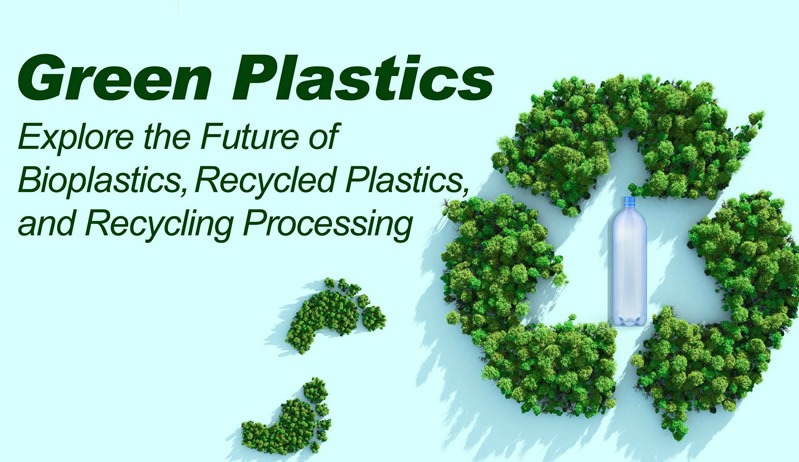
PLASTRON LFT is a sustainable resin with mechanical strength.
The eco-friendly resin, which is made of specially formulated regenerated cellulose fibers, provides weight reduction with mechanical strength, allowing manufacturers to reduce carbon footprint and meet sustainability demands.
PLASTRON LFT incorporates natural fibers, starch, wood powder, and other plant-based and natural mineral filling materials.
Originally, cellulose has limitation of insufficient strength despite its help in reducing CO2 emissions. Polyplastics addressed this problem by using regenerated cellulose in the development of LFT resins.
PLASTRON LFT now offers lower density and reduces greenhouse gas (GHG) emissions than short glass-reinforced resins while delivering the same mechanical properties.