













almaak and HEXPOL TPE collaborate on 2K adhesion-synchronized materials for automotive

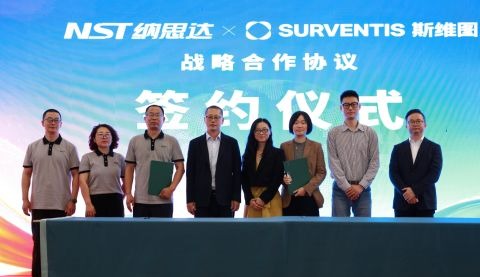
At Fakuma 2023, almaak and HEXPOL TPE, both polymer compounders, announced their partnership on optimizing 2K material combinations tailored for automotive.
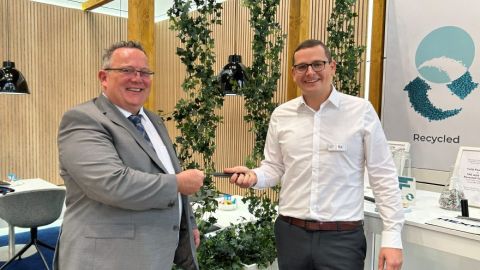
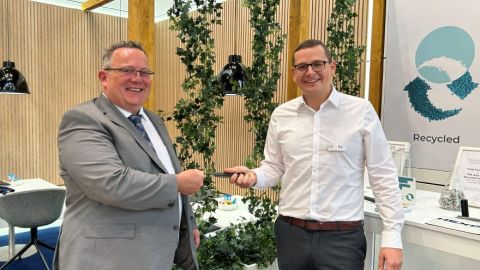
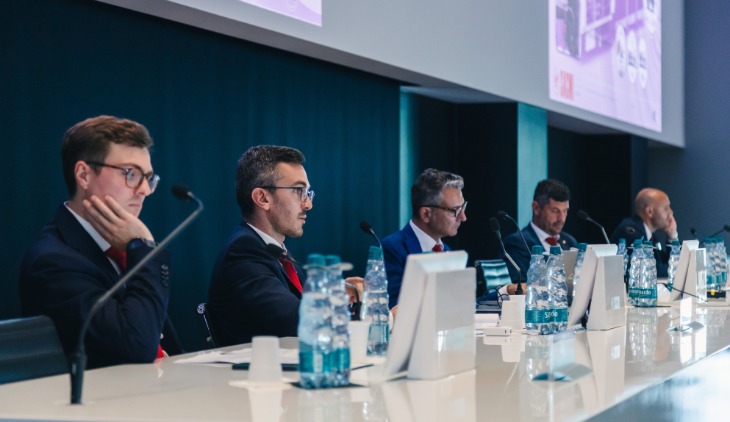
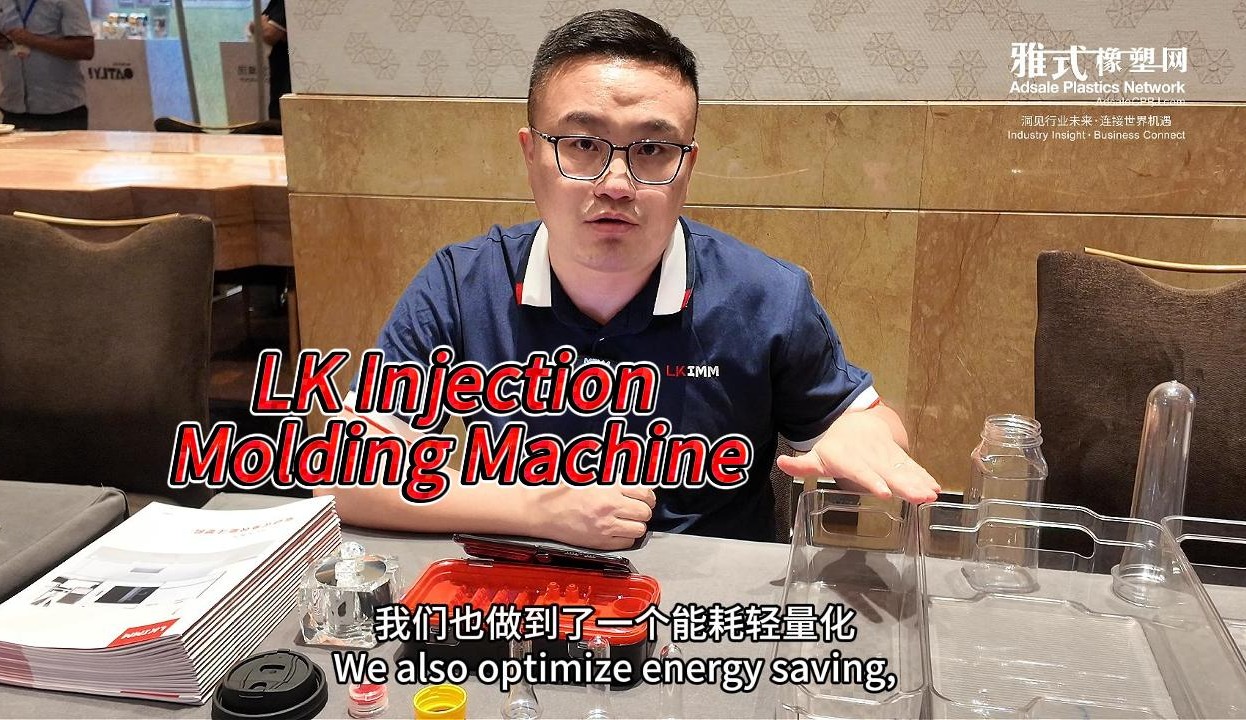
(Left) Volker Krebs, application technology, almaak international, and Thomas Köppl, group product manager of HEXPOL TPE.
Challenges on adhesion of TPE
TPE materials are used for two-shot or overmolding soft-touch overlays onto rigid substrates to meet functional, ergonomic or aesthetic requirements. The adhesion of standard TPE is limited to olefin-based substrates like polypropylene, which have limitations regarding heat and rigidity performance.
However, chemically modified TPEs allow adhesion to a wider range of engineering thermoplastics. Enhancing property characteristics to meet more demanding component requirements.
“TPE materials for multi-component processes need to be adhesion synchronized with substrates, especially polar technical thermoplastics. For example, PBT is increasingly used for electromobility applications and has difficulty adhering to TPE. Glass fiber reinforcement and flame-retardant additives make it even more challenging,” explained Thomas Köppl, group product manager of HEXPOL TPE.
The collaboration between almaak and HEXPOL TPE delivers tested material combinations that ensure chemical compatibility and adhesion performance.
Collaboration on adhesion-synchronized materials
almaak’s products include PC/ABS, ABS, PC, ASA, PBT, PA6, PA6.6 and their blends, including materials with up to 100% recycled content. These have passed adhesion test with HEXPOL TPE’s portfolio of thermoplastic elastomer materials.
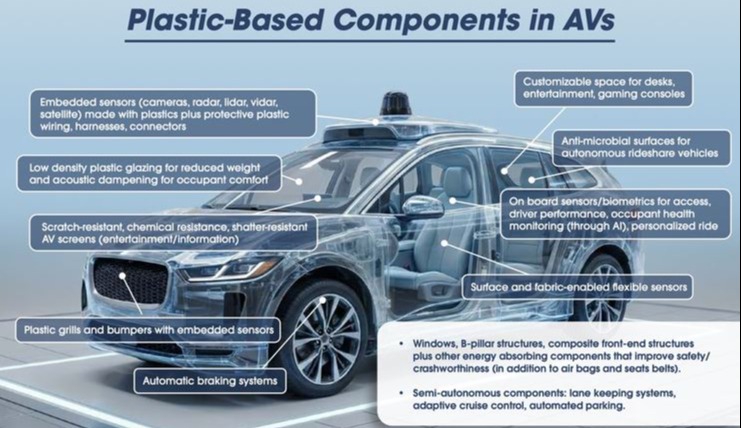
The materials fit for automotive applications including interior, exterior and technical parts such as seals, grips, rim, console and interior carrier, grommets, electronic housing, and noise and vibration dampening.
The engineering thermoplastics and TPE combinations have been tested according to the VDI 2019 standard, which measures the adhesion between materials.
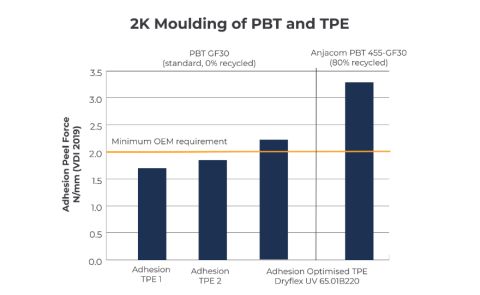
Data on 2K molding of PBT with TPE.
TPE is molded onto the thermoplastics and peeled off at a 90° angle. The required adhesion peel force is measured and describes the adhesion quality.
Even for substrates which make bonding difficult, such as PBT, it is possible to get a good adhesion if the substrate and TPE are compatible. For example, Dryflex UV 65.01B220 TPE achieves an adhesion peel force of 3.3N/mm on Anjacom PBT 455-GF30.
As processing conditions (2K or insert moulding, temperature, injection speed) and tool design (geometry, adhesion area, flow length) can impact adhesion performance, the support package offered by almaak and HEXPOL TPE also includes tooling and processing advice.