















POM and PP in thermal management systems for EVs

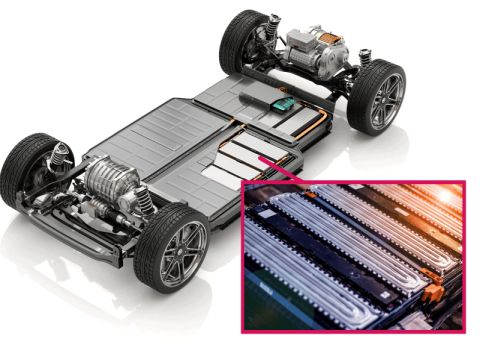
Polyplastics Group, a global supplier of engineering thermoplastics, sees great potential for less heat-resistant plastics such as polyoxymethylene (POM) and polypropylene (PP) for production of electric vehicles’ (EV) cooling components.
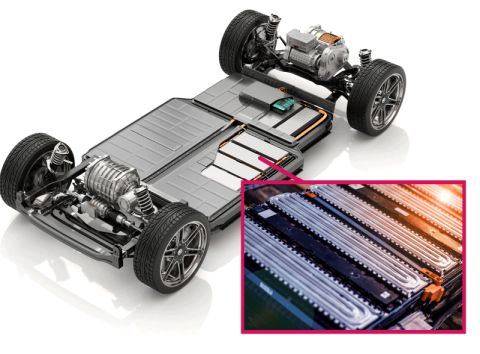
Less heat-resistant plastics like POM and PP are used for EVs’ cooling components.
Originally, coolant in combustion engines is maintained at 70-100°C but can climb to 120°C or higher if the engine overheats. Therefore, metals or high heat-resistant plastics like polyphenylene sulfide (PPS) are used in cooling components and lines.
In comparison, EVs require a long-life coolant (LLC) temperature of 100°C or lower. This allows for the use of less heat-resistant materials for BEV-specific components, such as general-purpose engineering plastics like POM or PP.
In the case of PP, Polyplastics sees potential for PP-LGF (long-glass fiber) instead of short glass fibers to increase strength, dimensional accuracy and overall performance. The company also offers DURACON bG-POM made with biomass as an eco-friendly option.
Using POM and PP instead of high heat-resistant plastics such as PPS not only reduces material costs but also reduces carbon footprint of materials and energy consumption, thus reducing CO2 emission.
Polyplastics conducts extensive immersion testing on LLCs, gathering data on each plastic type to ensure durability of the low thermal resistance materials. The company will also offer design assistance using CAE and provides guidance based on the data.