




















Masterbatch for identification of materials in industrial 3D printing

THE GRAFE GROUP developed a masterbatch for the identification of materials in industrial 3D printing, for both inspection with hand-held device and direct check in the 3D printer.
Marker with limited constraint
GRAFE works a marker into the filament, which is permanently in the component and cannot be removed, to offers protection against counterfeiting and proof of originality.
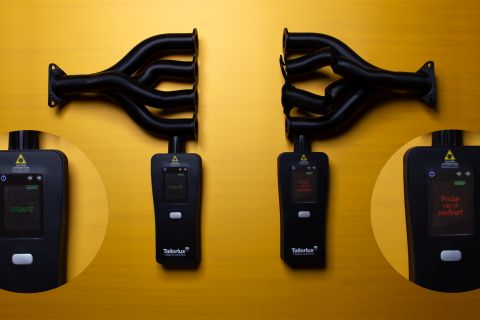
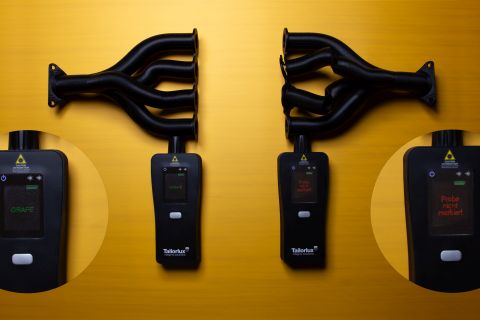
Originality and authenticity can be inspected through a hand-held device.
The marker has mainly been used for PLA and PETG (glycol). It can also be used in PA and PC. Due to a wide selection of markers, almost any plastic can be equipped, and there is no influence on the color.
The solution enables relatively low batch dosages, even from 1%. Color may also have influence to the effectiveness – components colored with CarbonBlack require a slightly higher dosage than others.
Although carbon fibers also influence the result, each filament can be marked with a maximum dosage of 3%.
Wide and convenient application
Lars Scheulze, Head of Color Development and Material Sciences, saw the main areas of application as prostheses in medical technology, system-relevant machine and automotive parts that have to withstand warranty or recourse claims.
In addition, other sectors such as furniture, electronics, or consumer goods could also be useful for originality check.
As an exclusive development partner, GRAFE relies on the security pigments from Tailorlux. The company also supplies the matching Tailor-Scan 4 hand-held measuring device, onto which a reference file set to the safety marking is loaded.
The originality of plastic used can be checked directly from the filament to the component, even through glass or foil packaging.
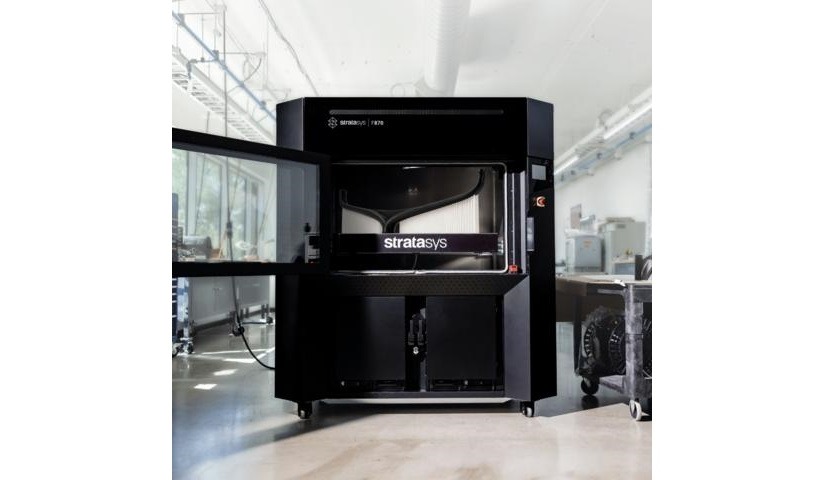
Nevertheless, the inspection electronics can also be integrated directly into an existing 3D printing system by the manufacturer of the printers. Thus, 3D printer can directly check the material.
“When the spool is inserted, a sensor in the printer can check the safety markings in the filament. Printing starts only when it is ensured that the material is the right one,” explained Scheulze.