















Fit-for-purpose mono-material packaging for cheese enhances protection and sustainability

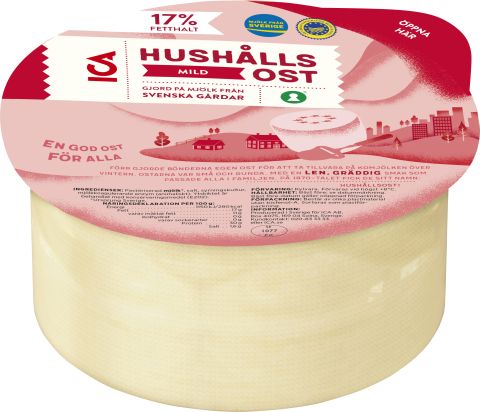
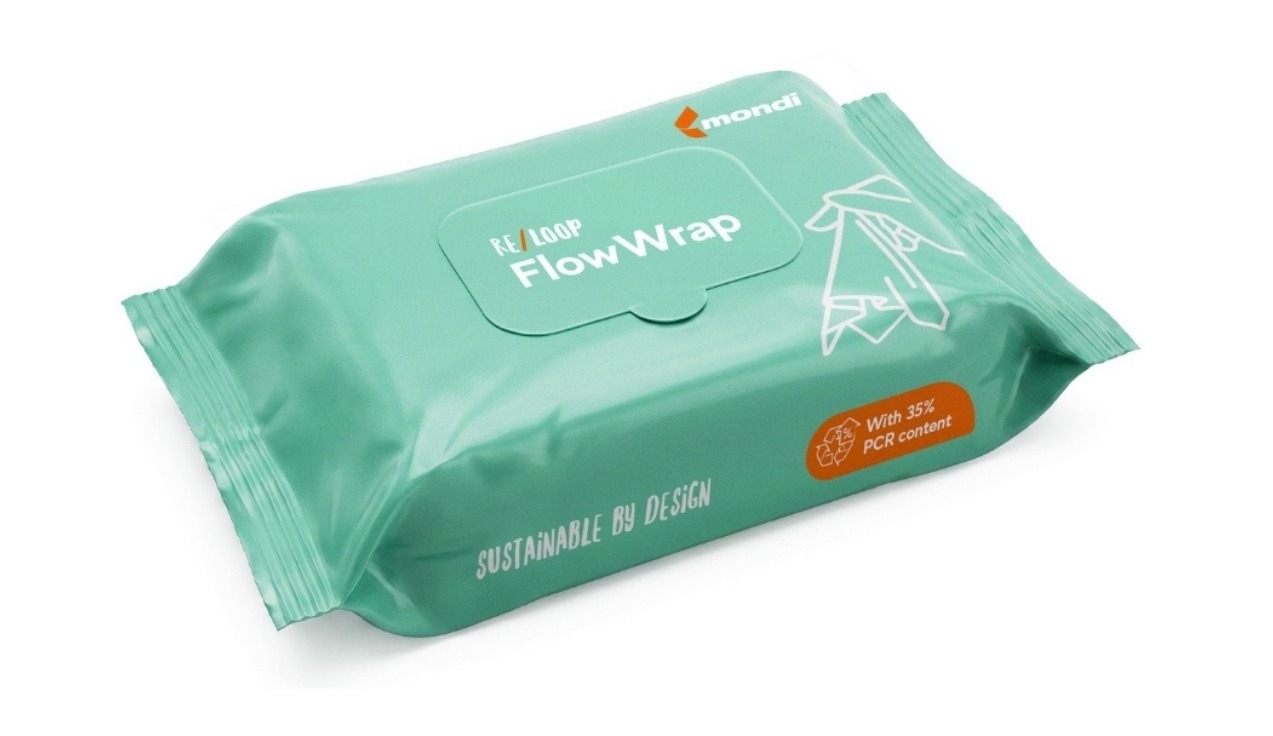
Mondi and Skånemejerier collaborated to create a mono-material, polypropylene (PP)-based packaging for, among others, ICA’s Hushållsost cheese.
Better protection to fresh product
The new packaging features a mono-material base web and lidding film, all are produced and printed by Mondi before being converted for 1kg and 2kg blocks of cheese by Skånemejerier.
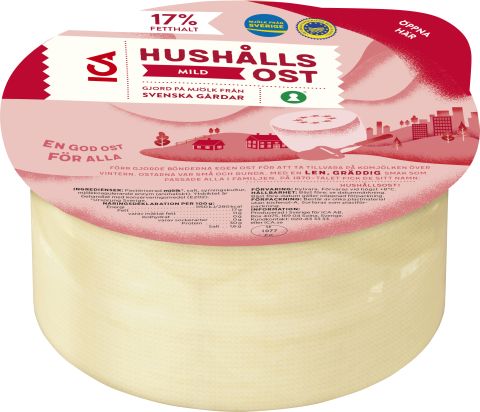
The mono-material packaging offers protection to the fresh product and recyclability.
The mono-material solution provides high barriers against oxygen and water vapors, keeping the product fresh on shelf. It also offers high puncture resistance for protection and great printability for brand communication on package. Nevertheless, with the mono-material feature, the packaging is designed for recycling.
Helene Brynell, Regional Sales Nordic Consumer Flexibles at Mondi, explained the importance of fit-for-purpose packaging design. “Fresh products like cheese need to be packaged properly – and protection must go hand in hand with sustainable packaging,” she said.
The packaging solution started the first test and trials in 2019 and was brought to market before the end of 2023. It also won the 2023 PackNorth Award in ‘Food’ category.
Designed for recycling
The innovative packaging is being launched in the same period as Site Zero, the world’s largest sorting facility for used plastic packaging in Sweden.
Starting to run in November 2023, the facility will process used plastic waste from both Sweden and Finland. With the mono-material design, Mondi’s packaging can be effectively sorted for recycling, contributing to a circular economy.
“By using mono-material film instead of laminate consisting of different types of plastic, we can sort out and recycle the packaging that is left in the system. With Site Zero's new technology, this PP film-based packaging will be able to become new products, which has not been possible in any facility in Sweden before. It provides circular plastic flows that reduce the need for fossil raw materials and combustion,” explained Rickard Jansson, Development Engineer at Swedish Plastic Recycling.