














US-first IV bag recycling pilot successfully diverts six tons of waste

Baxter International, a supplier of infusion therapies and technologies, announced the successful completion of the first phase of its intravenous (IV) bag recycling program pilot with Northwestern Medicine, which is the first of its kind program launched in the US.
Unlike other medical equipment products such as syringes and needles which have established post-use collection methods, non-hazardous IV bags are usually disposed as waste in standard practice.
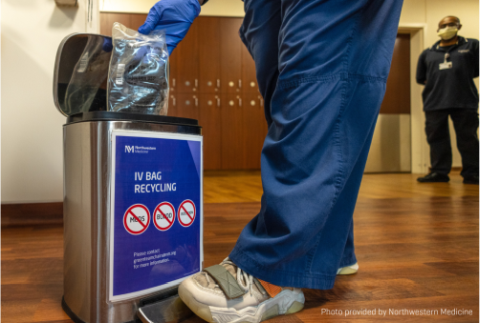
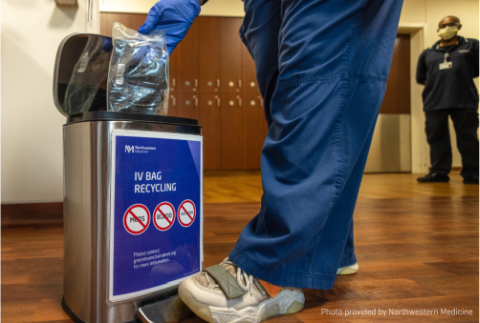
The first phase of IV bag recycling program pilot was successfully completed in the US. (source: Northwestern Medicine)
Through this pilot program, stakeholders from several Northwestern Memorial Hospital departments, including nursing, supply chain and environmental services, engaged to help develop a new process to incorporate material separation for recycling into nursing workflow, as well as manage space constraints that is common to hospital settings.
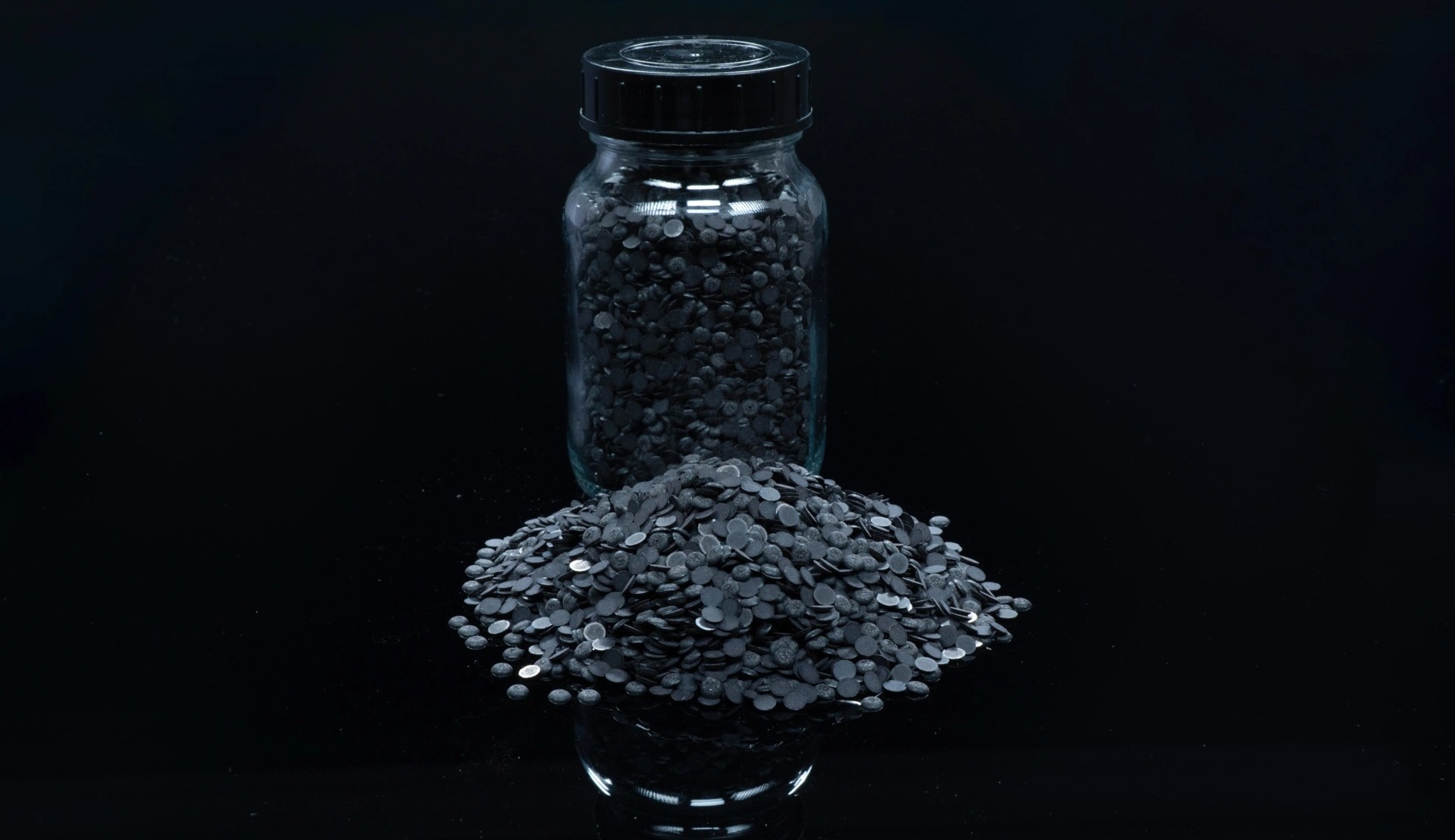
Collected IV bags are transported and inspected to recycled into products such as industrial floor mats and protective edging for docks and landscaping.
In the first phase, more than six tons of polyvinyl chloride (PVC) IV bag waste has been successfully diverted from landfill to be recycled.
“What started as a single-unit pilot is now standard practice across several of our inpatient units within Northwestern Memorial Hospital and has resulted in the recycling of more than 170,000 IV bags,” said Jeff Good, first chief sustainability executive and vice president of operations of Northwestern Medicine.
To achieve long-term, large-scale implementation, Baxter is actively seeking to engage additional health system participants in the Chicago area to further validate the process and economic feasibility.
The Northwestern Medicine will also continue to implement the program and will explore expanding the program throughout the health system.