













Record-high vistors: Cost-saving technologies speak volume at CHINAPLAS 2024

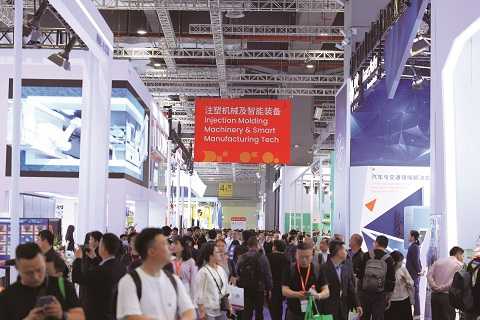
CHINAPLAS 2024 welcomed a record breaking of 93,241 visitors for the first day, with 19,380 overseas visitors, which also marks a record high for the daily number of overeseas visitors.
The iconic exhibition enters the second day with a myriad of plastics and rubber technologies showcased at the fairgrounds, of which cost-saving and high-efficient solutions particularly draw attention of the visitors.
In the current global economy landscape, it is important for manufacturers to adopt cost-saving production strategies for increased competitive advantage, optimized flexibility, improved profitability, and higher sustainability.
Manufacturers implement cost-saving production strategies can offer products or services at lower prices while maintaining quality are more likely to gain a larger market share and profit margin.
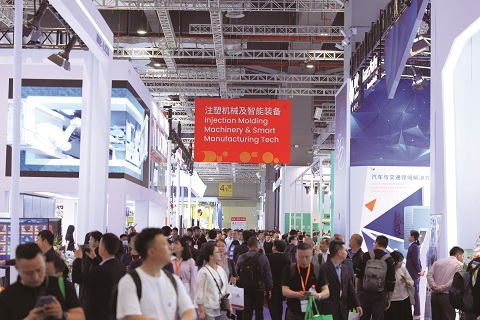
Visitors flooded into the fairgrounds on the first day of CHINAPLAS 2024.
Energy-saving plastics machinery gains momentum
While improving manufacturing capabilities, advanced plastics machinery can play a key role in saving costs in many ways, particularly by increasing energy efficiency, which also translates to sustainable development in the long run. Therefore, the trend of energy-saving in plastics machinery has been gaining significant attention and momentum in this context.
In addition to highly efficient motors and heating and cooling systems, new generation of plastics machines often incorporate process features that can optimize operating parameters and reduce cycle times, leading to energy savings.
Plastics machinery generates a considerable amount of waste heat during manufacturing process, energy recovery systems can capture and reuse the waste heat generated for other processes, reducing the overall energy consumption of the equipment and machines.
For instance, adopting human-computer interface to control auto-loading, auto-blowing and auto-dropping, the 6000bph Fully Automatic Bottle Making Machine from Taizhou Huangyan Ouge (Booth: 8.1F02) highlights its benefit of energy saving. To reduce energy consumption, special pre-heater design makes preform closer while heating, and space adjustmant according to the bottle size while blowing shortens heating tunnel. Mold open stroke is also adjustable to improve cycle time.
Energy consumption for all-electric machines can be reduced remarkably when compared to hydraulic machines.
The intelligent Multi Cavity Electric Blow Molding Machine independently developed by Zhejiang TONVA (Booth: 8.1A22) adopts electric to replace hydraulic system and can save 40% of energy consumption. With multiple intelligent functions, the machine is suitable for medical consumables, daily chemical and food packaging applications.
The JT120E2 Full-electric Injection Molding Machine from POWERJET (Booth: 4.1D64) features full servo motor drive. In addition to low energy consumption, short molding cycle and high precision, the machine provides ultra-quiet and clean production with no oil leakage and dripping phenomenon.
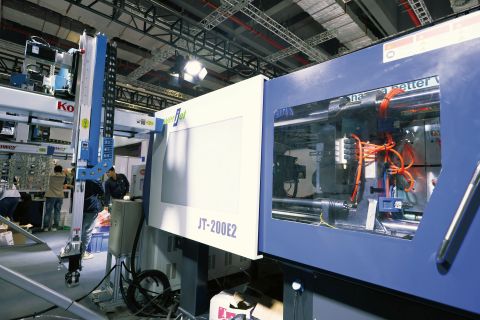
JT200E2 Full-electric Injection Molding Machine from POWERJET.
While energy consumption constitutes a significant portion of manufacturing costs, other ways that plastics machinery can save costs for manufacturing include minimizing material waste and increasing automation, helping manufacturers achieve higher output levels and lower production costs per unit.
Minimizing material waste is crucial in controlling manufacturing costs. By optimizing material usage, manufacturers can save on raw material costs with reduced scrap rates and increased yield rates.
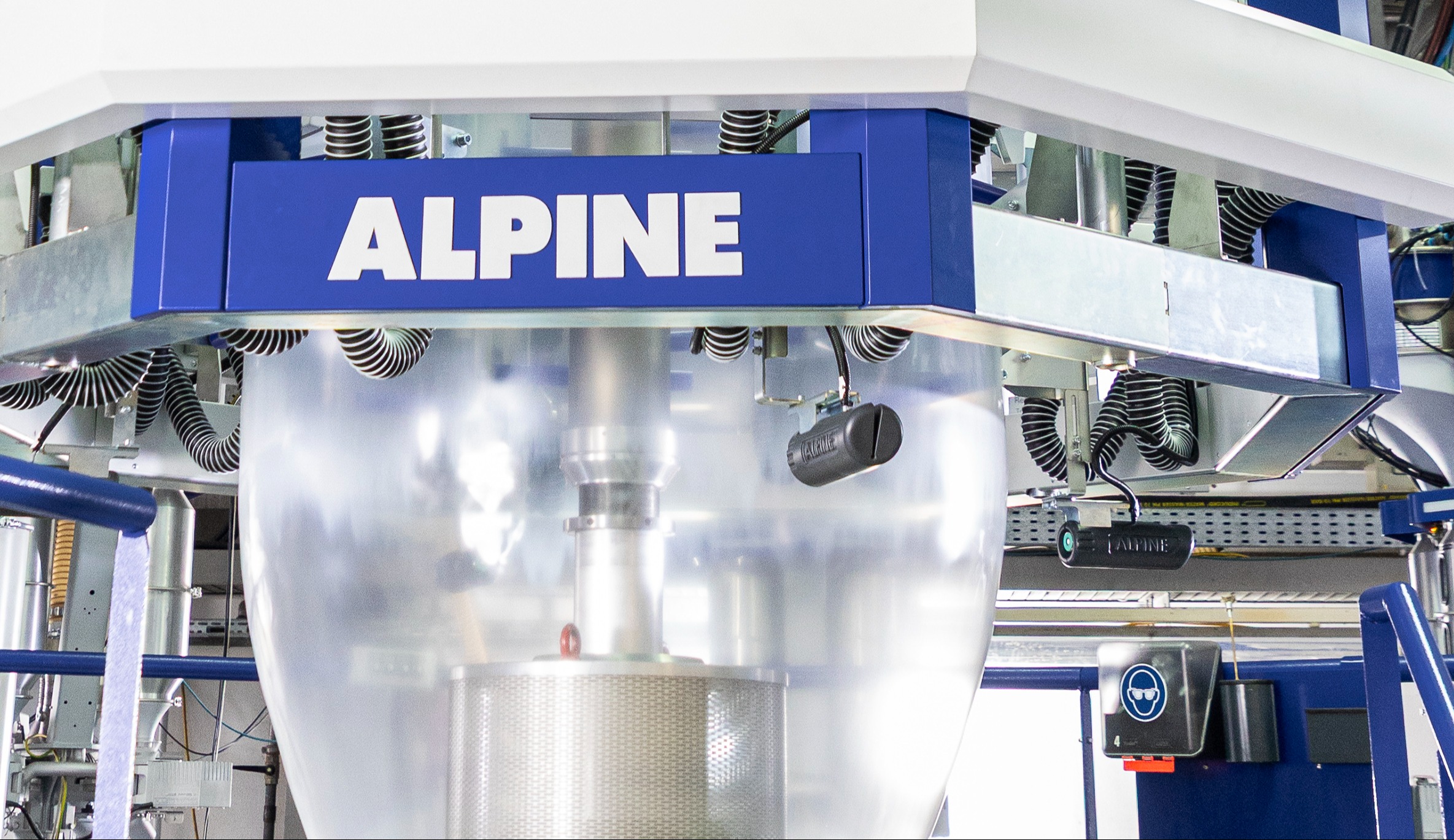
Hosokawa Alpine (Booth: 2.1H91) manufactures blown film extrusion lines with up to 11 layers and MDO film orientation lines. Its MDO film stretching lines are equipped with patented TRIO (Trim Reduction for Inline Orientation) technology, which significantly saves materials in edge trimming process.
Meanwhile, modular equipment offers scalability and flexibility with lower costs, enabling manufacturers to adapt to changing market requirements. Manufacturers can optimize production schedules and reduce setup times to enhance overall operational efficiency.
Smart manufacturing sheds light on efficiency
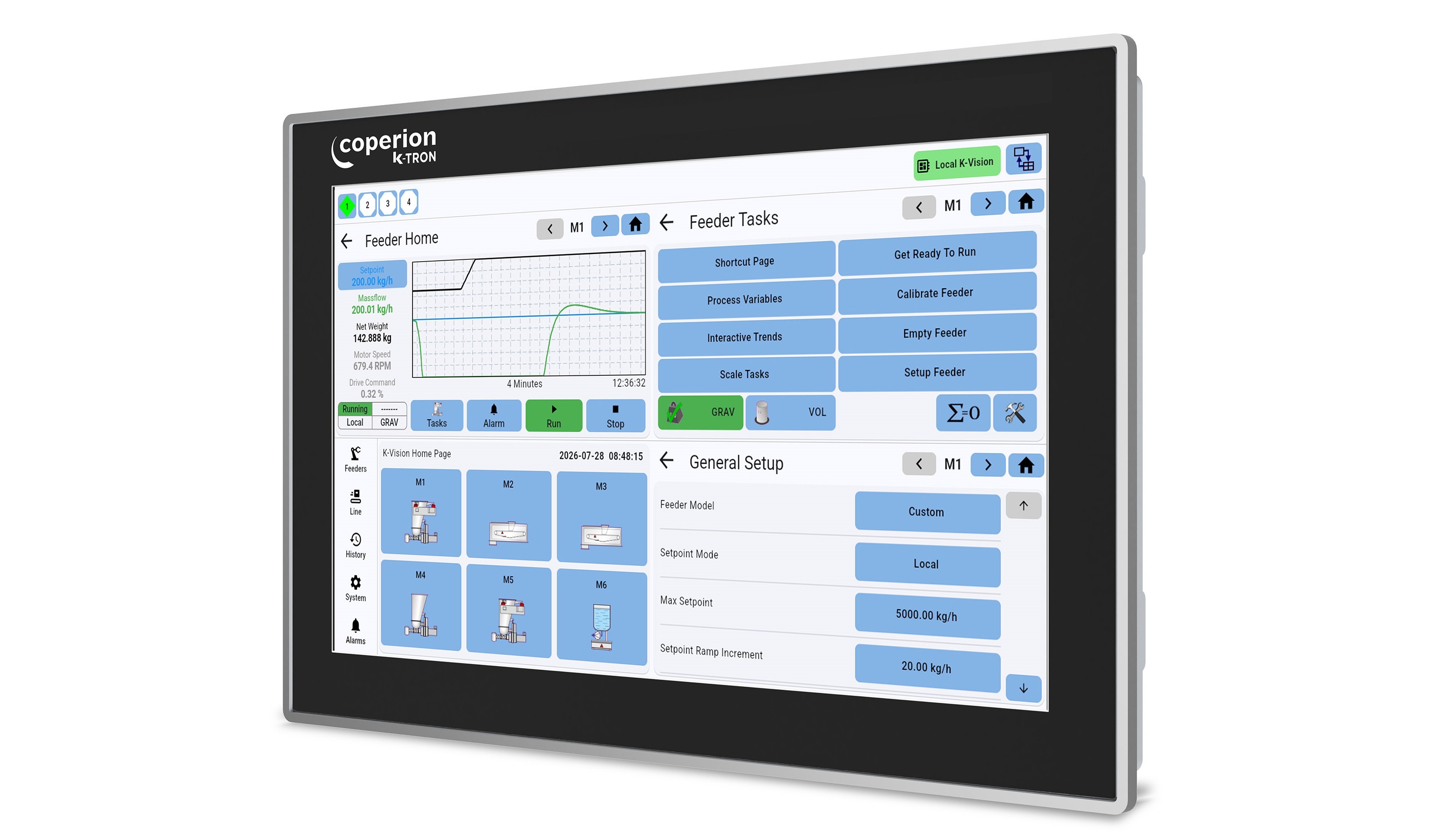
By leveraging the power of real-time monitoring and data analytics, smart manufacturing technology provides insights for decision-making on cost and production efficiency, mainly through optimized production parameters, predictive maintenance, and energy management.
By implementing smart manufacturing, intelligent control systems are integrated into plastics machinery, connecting different machines and other systems, even they are in different locations.
In particular, utilizing real-time data from sensors, manufacturers can identify potential bottlenecks and schedule maintenance activities proactively, avoiding unplanned downtime and extending equipment lifespan, and saving costs on repairs and emergency maintenance.
The iVenture IMM Control System of Ningbo EST Technology (Booth: 4.1C42) is an example of control system for smart manufacturing. The new generation of precision hydraulic servo control system solves the pain points of unstable adjustment and accuracy of the unlocking die, making the injection molding machine operates quickly and stably.
Headquartered in Austria, B&R (Booth: 4.1G32) specializes in improving machine development efficiency. The hardware and software integrated B&R Plastics/Rubber Injection Machine Solutions shortens development cycle and costs of integration for temperature control, positioning, axis control, robotics, conveying and more.
High-performance materials offer cost-saving potential
High-performance materials are being increasingly adopted across various industries thanks to their superior properties and cost-saving potential. These materials are lightweight, strong, durable and easy to process, facilitating high-efficient production of high-quality products.
In the consumer electronics industry, materials with high dielectric properties, such as liquid crystal polymers (LCPs), are used in connectors, switches, and circuit boards.
Mobiles, computers and home appliances manufacturers can benefit from adopting these materials for miniaturization of components and complex part designs.
Seyang Polymer (Booth: 7.2A41) is Korean custom-made LCP resin producer of neat resins, specialty injection molding compounds, and extrusion grades for fiber and film. Its LCP base resins can lead to valuable applications, including 5G devices with various dielectric properties, high resolution mobile camera modules, etc. The S Series, in particular, features ultra-high heat resistance and high flow properties.
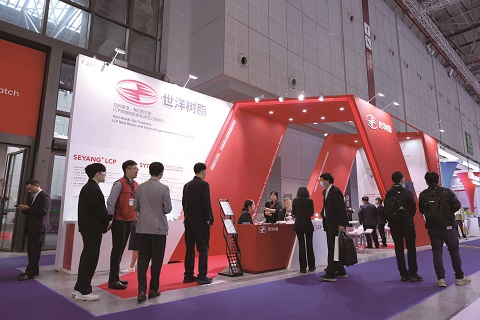
Seyang Polymer's LCP base resins can lead to valuable applications, including 5G devices with various dielectric properties, high resolution mobile camera modules, etc.
Advanced plastic materials, such as carbon fiber reinforced polymers (CFRP) and high-strength composites, are also being used for interiors and exteriors as well as engine components and battery casings to reduce weight while increasing performance and safety of vehicles.
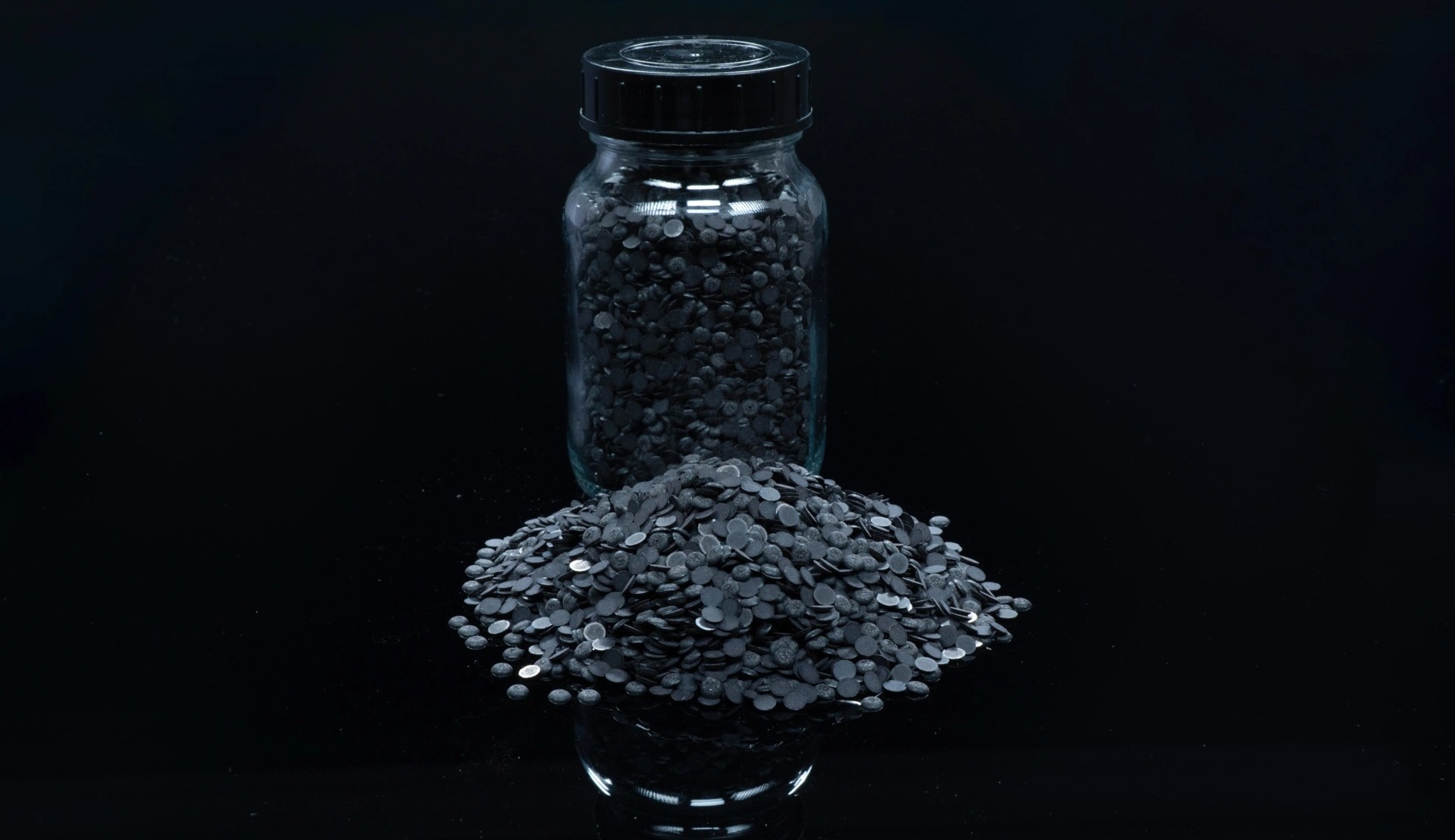
The Carbiso P IM OS T-6mm is PIR intermediate modulus carbon fiber available in large quantities and low cost from Apply Carbon (Booth: 2.1F115). The recycled carbon fiber is suitable for automotive projects in reinforcement and electrical conductivity.
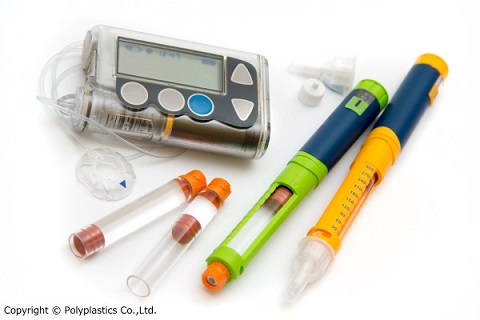
Offering superior sterilization capability and higher cost-effectiveness compared to conventional materials, medical grade plastics are widely used in the medical and healthcare sectors for various applications, including medical packaging, disposable devices, surgical instruments, and implants.
For different kinds of packaging application, such as food packaging and e-commerce packaging, lightweight, durable and recyclable plastic materials offer cost-effective alternatives to glass and metals. These materials help reduce transportation costs, minimize product damage, and provide extended shelf life for perishable goods.
For example, thanks to their ability to resist both oxygen and moisture, polyvinylidene chloride (PVDC) and ethylene vinyl alcohol (EVOH) are used in barrier packaging of food, medicine, and cosmetics.
It is always recommended to consult with experts to identify solutions tailored to specific production requirements and the exhibitors at CHINAPLAS are more than willing to offer their advice.