










Moretto: Humans and technology are both pivotal in attaining efficiency and sustainability

Advancements in research and technology are giving rise to new plastics that are lighter, stronger, and more sustainable. These innovative materials offer promising solutions to environmental challenges, aligning with the increasing sustainability expectations of consumers and government regulations.
For these reasons, the plastic industry is facing two main challenges. According to Renato Moretto, President of Moretto S.p.A., producers need to constantly raise the quality standards of the products offered, guaranteeing superior performance and customer satisfaction; on the other hand, they have to combine this continuous quest for excellence with a growing environmental awareness by producing high-quality plastics that reduce environmental impacts along the entire supply chain, as well as intelligently using plastics in their applications.
“The theme of greener production is certainly central to our industry and must be contextualized in a world that is going through a significant transition phase, in which artificial intelligence (AI) will revolutionize every sector, including the plastics industry,” says Moretto.
However, he emphasizes that it is important to recognize that the role and contribution of humans are fundamental and irreplaceable within this evolving context.
Humans can also play a vital role in breaking the cycle by learning to carefully manage single-use products and packaging. “As plastic surrounds us in everything, it is crucial to encourage the recovery, re-use, and management of everything that has served its purpose, not only to respect the planet but also the future of us and our children,” Moretto explains.
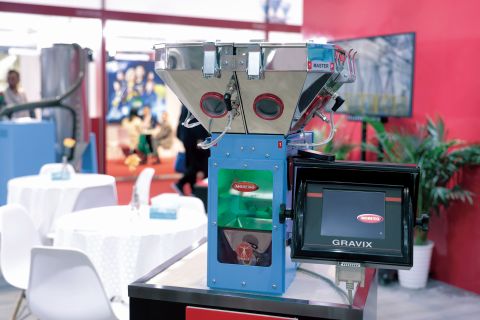
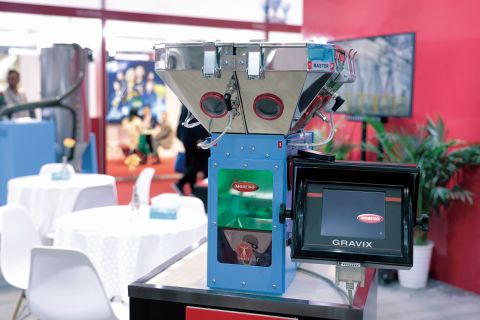
DGM Gravix 20 gravimetric dosing unit is suitable for micro-dosing.
Cultivate a mindset open to technological changes
Technology and digitalization set to be two key development trends that will shape the future of the plastics industry in the coming years.
“The adoption of advanced technologies, such as the Internet of Things (IoT), AI and data analytics, is already radically transforming manufacturing and everyday management,” notes Moretto. These innovations aim to help manufacturers make decisions for the future through the intelligent use of data, efficiency enhancement, and automated processes.
Meanwhile, digitalization is revolutionizing how companies engage with customers and oversee their operations. Through digital platforms and specialized software solutions, greater transparency is achieved across the entire supply chain. This facilitates material traceability and ensures compliance with regulations.
Furthermore, the relentless speed of markets often leaves us little opportunity for response, planning, and proactive action. Therefore, AI is increasingly used to program our activities and lives. By analyzing past events, AI can help anticipating future trends, thus affording us the time and mental space to focus on quality and innovation.
Moretto cautions that understanding this new dimension will require some time, as it involves embracing change—a concept that has historically clashed with human nature.
Energy efficient and user-friendly solutions
At CHINAPLAS, Moretto presents solutions for feeding, dosing, dehumidification, thermoregulation and refrigeration of plastics. These innovations are applicable to multiple sectors, including automotive, medical, optics, beverage, packaging, electronics, as well as more technical fields such as white goods, technical molding, PET, and recycling.
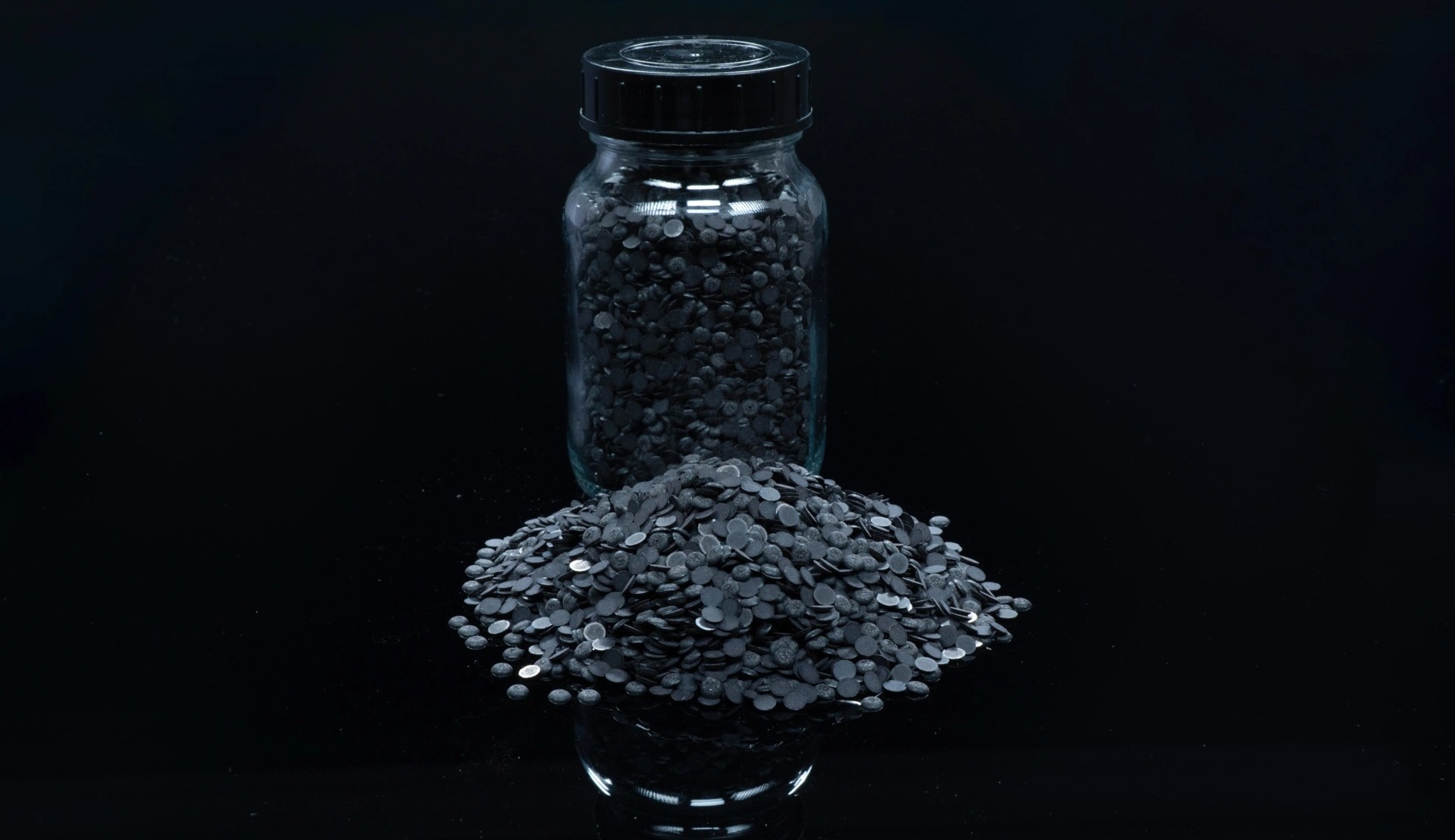
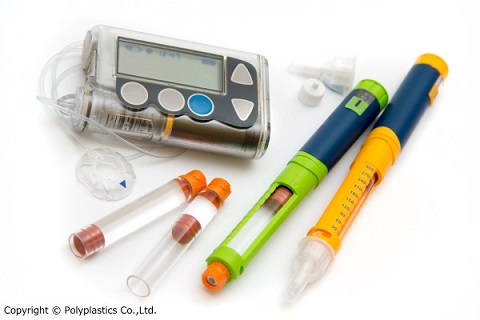
Highlights include the DGM Gravix 20 gravimetric dosing unit, developed from the Gravix series, and is suitable for micro-dosing very small percentages of material. Its primary application is in the medical sector, where high-quality and precision standards are required.
The Moisture Meter is also featured. As an inline polymer moisture meter, it eliminates the need for offline analysis and ensures accurate dehumidification control, providing precise data readings and immediate response times.
Another highlight is TWK ZERO, the indirect exchange water temperature controller designed for mold temperature control. Made entirely of corrosion-resistant stainless steel, it combines high performance with low energy consumption, making it particularly suitable for micro-injection and extrusion.
Booth: 2.1C62