















LG Electronics debuts LG PuroTec antimicrobial functional additive

The pandemic brought not only a surge in the demand for antimicrobial materials, but also impacts on the antimicrobial additives market. According to Youngseok Kim, Business Leader at LG Electronics, three technological trends can be seen.
The first lies in the safety of antimicrobial additives. Organic synthetic chemicals were commonly used to achieve antimicrobial and antifungal effects, the trend is shifting towards inorganic materials that are less harmful to the environment and human health.
"As regulations on the use of antimicrobial additives steps up, inorganic antimicrobial additives are gaining popularity," says Kim.
The second is the long-term antimicrobial effectiveness. In the past, simple consumer goods did not require long-term antimicrobial effectiveness. However, as antimicrobial additives are applied to industries such as mobility, medical and home appliances, product lifespan has increased by five to ten years. Therefore, it is crucial to maintain antimicrobial effectiveness for an extended period to match the product lifespan.
Thirdly, the microbial coverage needs to be expanded. The heightened hygiene awareness following the pandemic has increased demand for hygienic protection in various environments. Consequently, there is a demand to enhance the effectiveness of antimicrobial additives against a wider range of microorganisms, explains Kim.
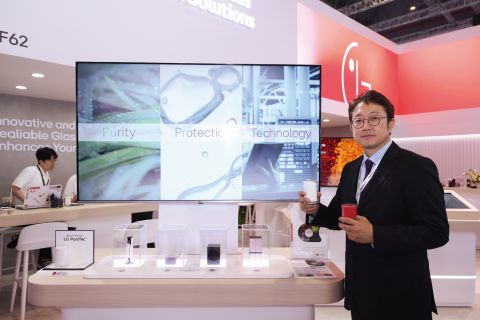
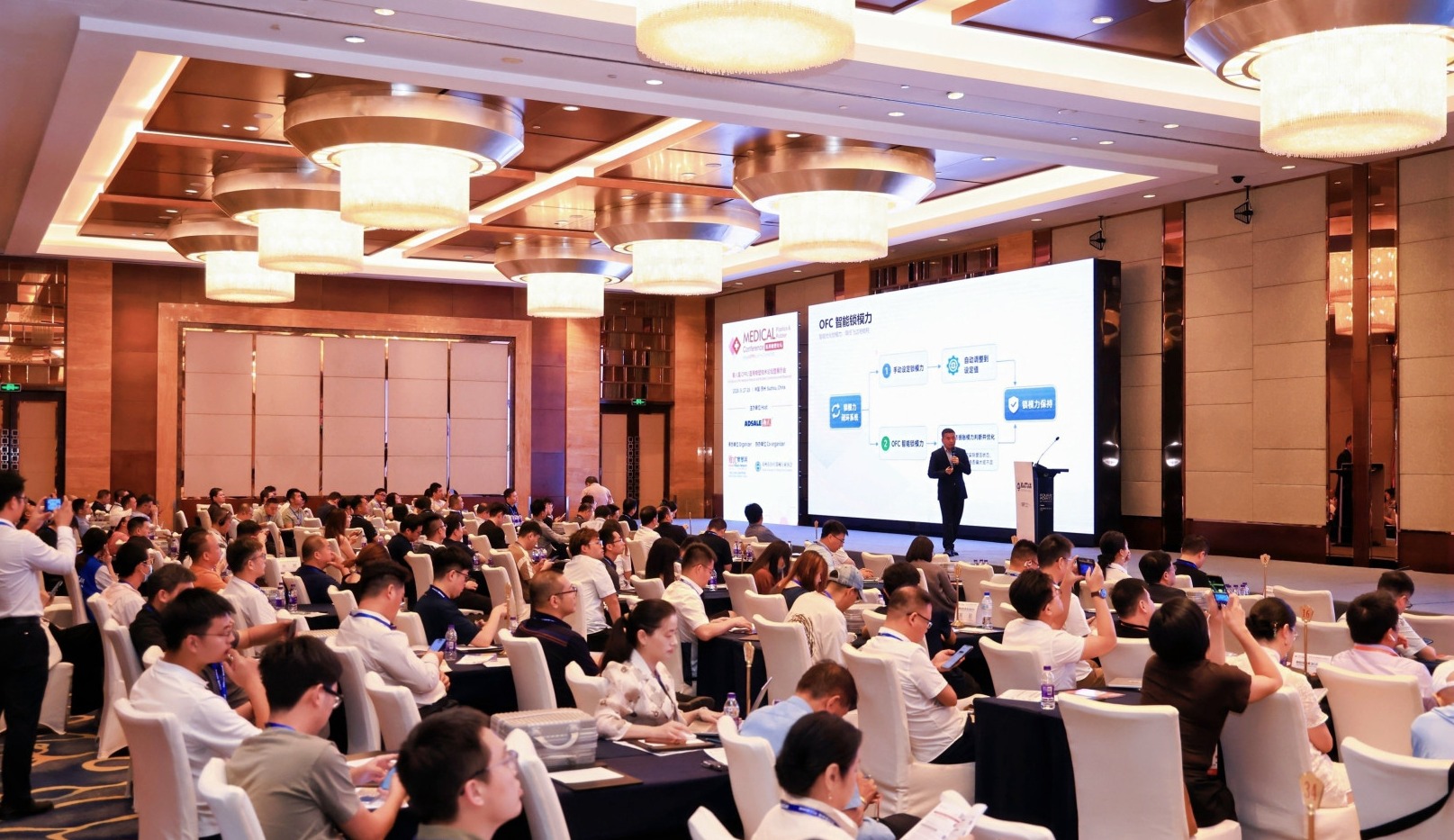
Youngseok Kim, Business Leader, LG Electronics.
Inorganic additive with superior properties
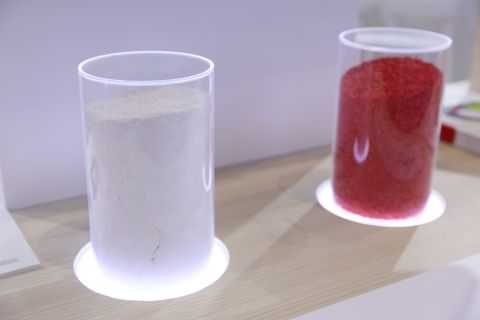
To meet market needs, LG Electronics presents its newest inorganic antimicrobial additive LG PuroTec for the first time at CHINAPLAS.
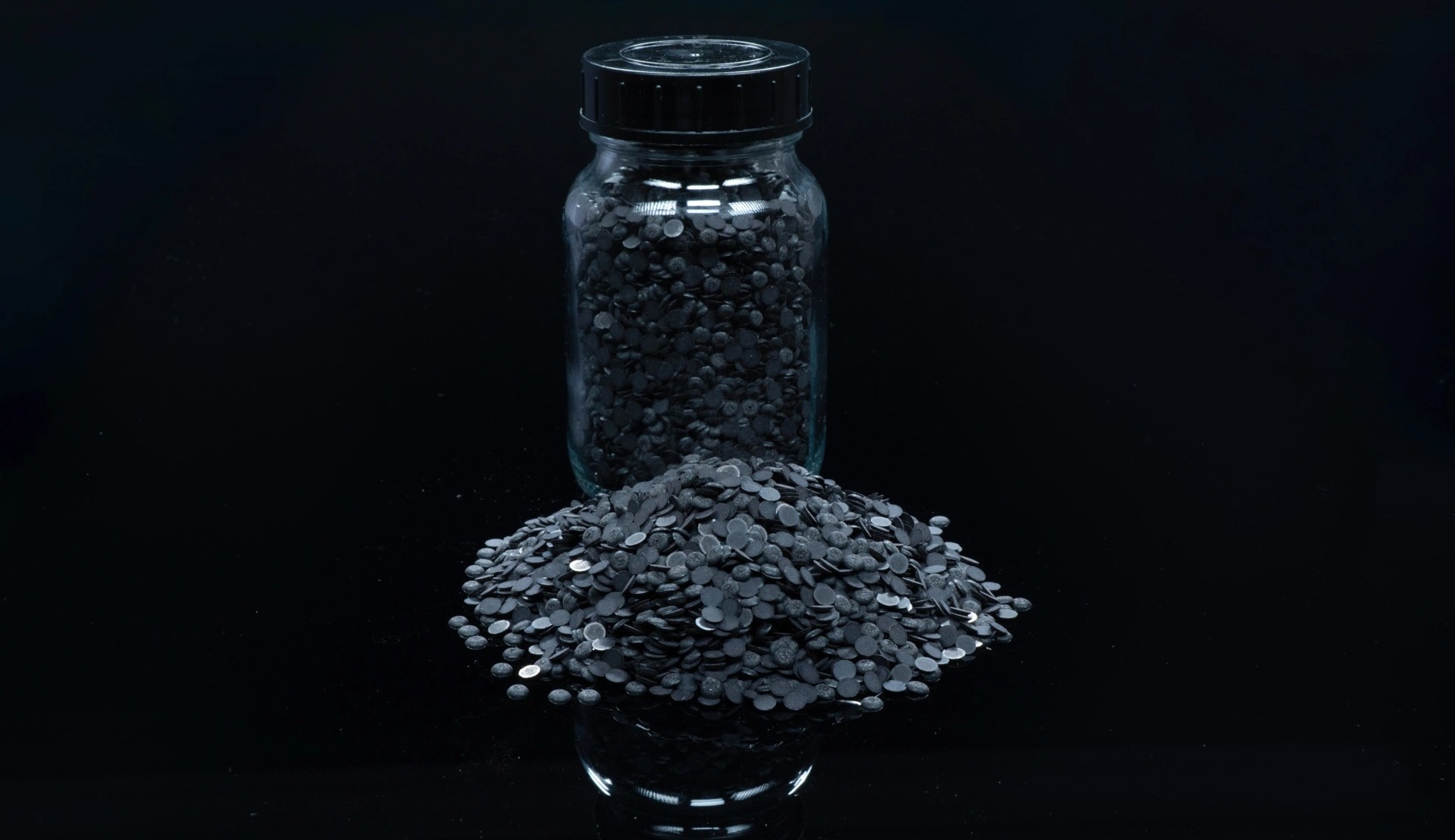
This functional glass material protects the surface of products from contamination by preventing microbial damage. It works by inhibiting the growth of microorganisms that cause odors and contamination to ensure a more hygienic user experience.
Featuring excellent thermal stability, LG PuroTec can withstand high temperatures without altering the physical properties of the applied product during plastic extrusion and injection. No gas is generated even at high temperatures, making it suitable for various manufacturing processes.
Moreover, LG PuroTec's exceptional chemical stability minimizes changes in the physical properties of the final product. Its excellent discoloration stability reduces yellowing caused by antimicrobial preservatives when applied to products.
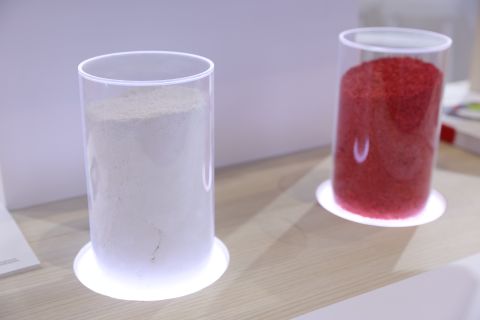
LG PuroTec can withstand the high temperatures during extrusion and injection molding.
Suitable for a wide range of materials
Thanks to its effectiveness over an extended period, LG PuroTec is applied to major home appliances manufactured by LG Electronics, including refrigerators, washing machines, and air conditioners. It is strategically incorporated into parts of these products that come into frequent contact with moisture and the human body.
Meanwhile, LG PuroTec offers versatile applications across sectors including plastics, fibers, paints, and coatings, adds Kim. These materials can acquire effective antimicrobial properties by adding small amounts of LG PuroTec.
He remarks that as the demand for antimicrobial materials rises significantly, especially the increased focus in hygiene following the pandemic, these materials are utilized in a wide range of industries, such as home appliances, packaging, medical, building and mobility.
Plastics to spearhead demand of antimicrobial additives
"Plastic materials, in particular, are expected to continue driving the demand for antimicrobial additives, thanks to the rapid growth of the Chinese and Indian domestic markets," comments Kim.
Currently, industries such as automotive, construction, food, and healthcare are experiencing a surge in the need for antimicrobial functionality. Additionally, the textile industry is recognizing the benefits of antimicrobial performance in terms of extending garment lifespan and reducing the frequency of washes.
Kim says that as global substance regulations become more stringent and comprehensive, customers are increasingly considering the regulatory registration and compliance obligations of antimicrobial additives.
Booth: 8.2F62