












Over 211,000 visitors flooded to CHINAPLAS, a feast of high-tech plastics technologies

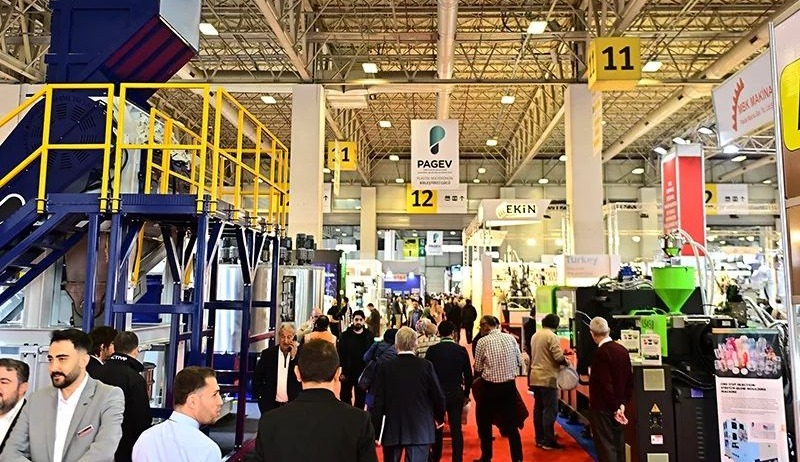
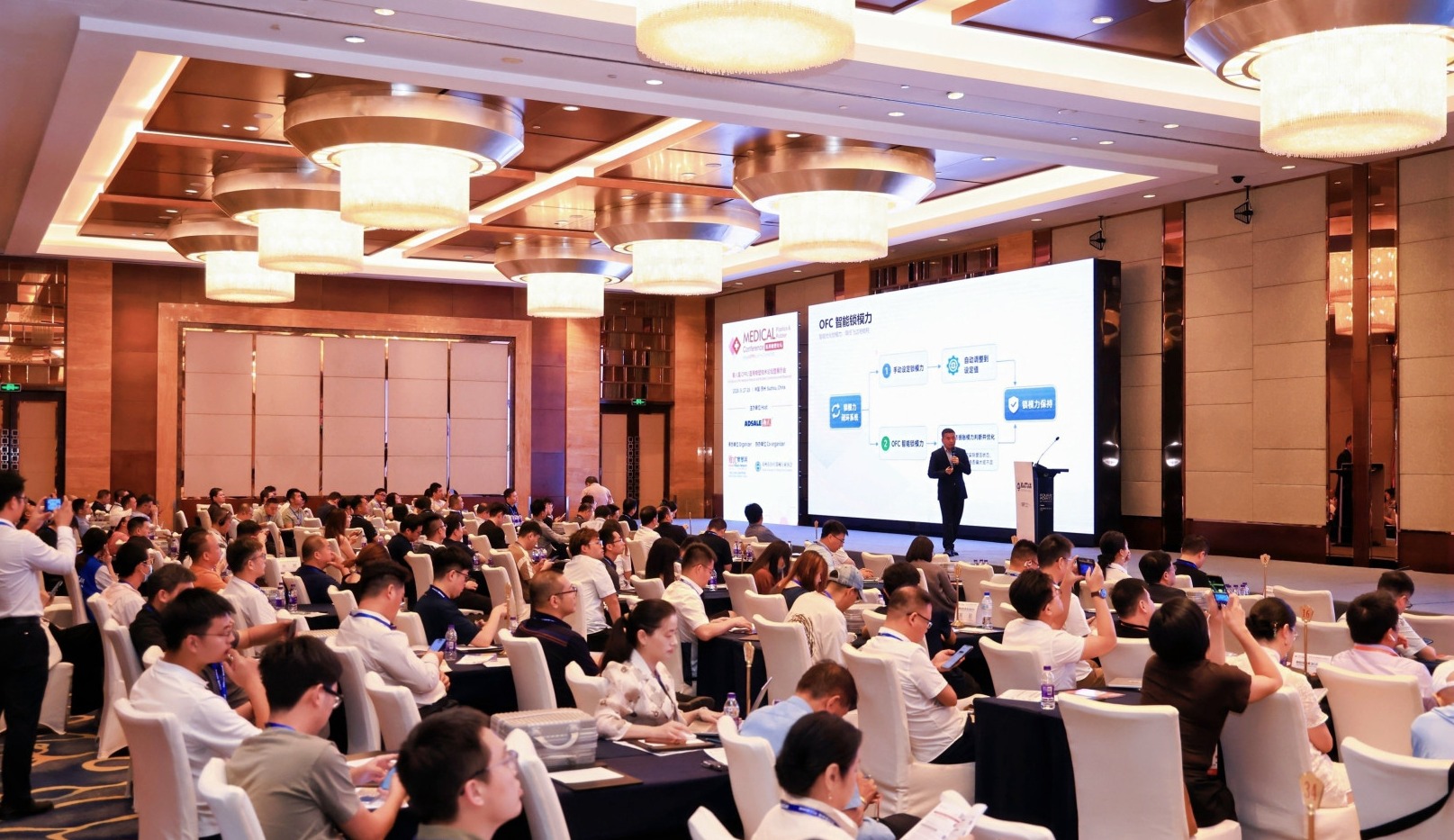
CHINAPLAS 2024 continued to welcome a huge crowd of visitors. According to the organizer, the number of visitors for the second show day is 118,687, which breaks the number for the daily number of visitors. In total, over 211,000 visitors attended CHINAPLAS 2024 for the first two show days.
The exhibiton showcases plenty of materials technologies and solutions, many are high-tech plastic materials that possess superior mechanical, thermal, chemical, and electrical properties compared to conventional plastics. Visitors can check out these materials at the Chemicals and Raw Materials Zone, as well as other dedicated zones.
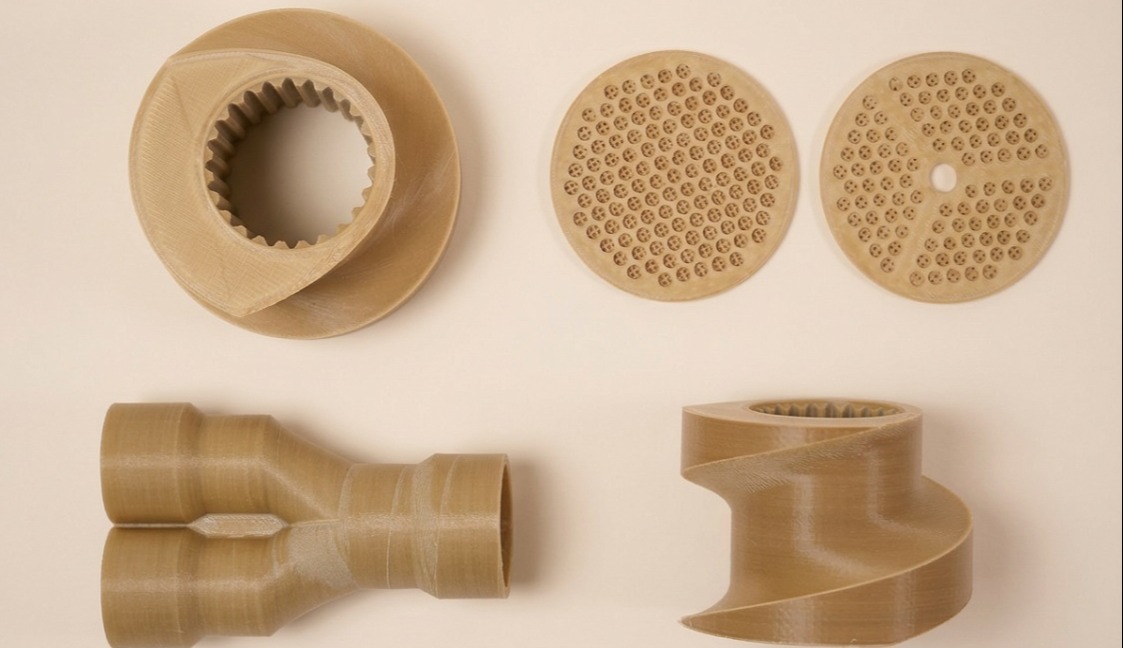
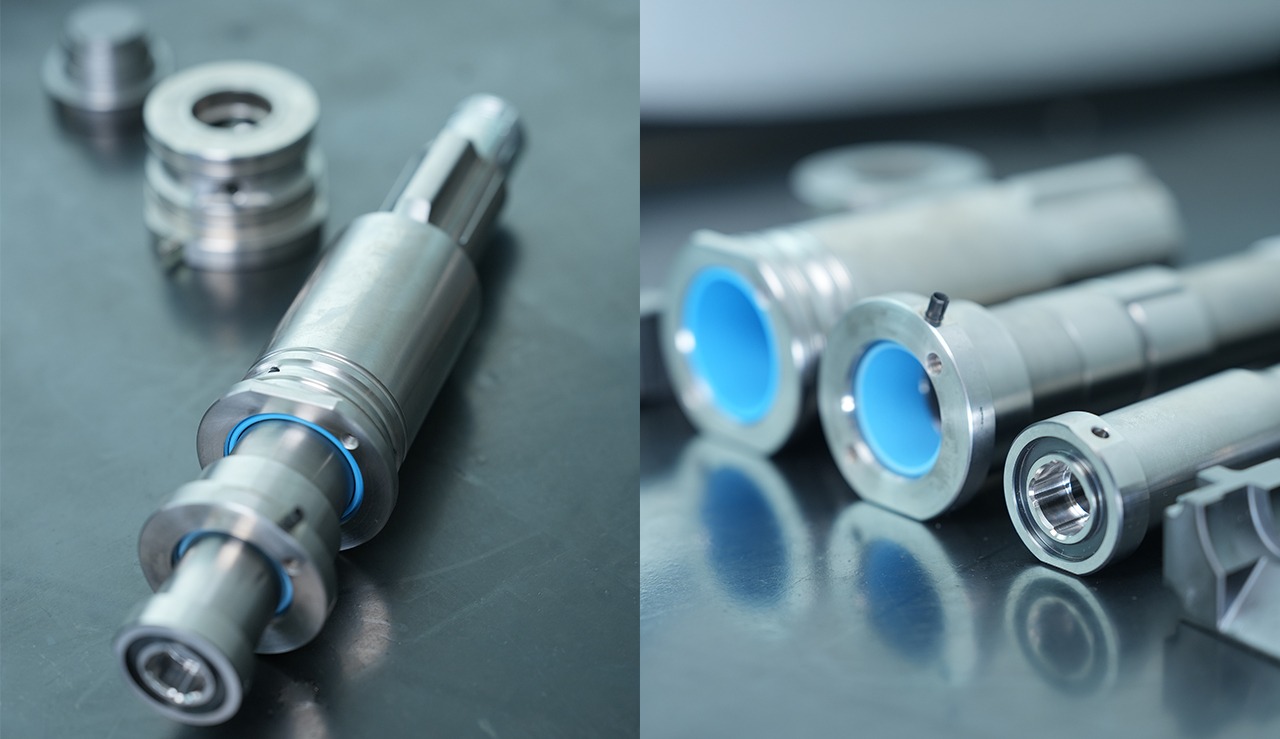
These high-tech materials, such as polyether ether ketone (PEEK), polyimide (PI), liquid crystal polymer (LCP), carbon fiber reinforced polymer (CFRP), polylactic acid (PLA), polyhydroxyalkanoate (PHA), etc., are developed to meet specific high requirements in various applications.

High-tech plastics are applied on Formula E, showcased at CHINAPLAS fairground.
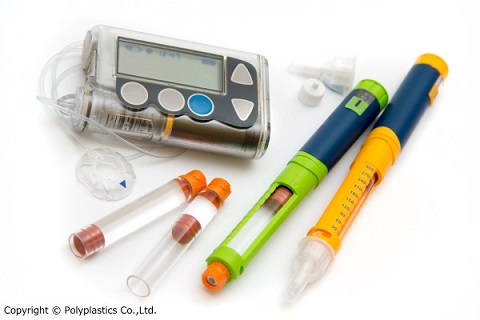
Biocompatible and anti-microbial plastics for medical
PEEK is a high-performance thermoplastic polymer known for its excellent properties. It can withstand continuous use at high temperatures up to around 250~C, and it has a melting point of approximately 343~C. It is resistant to acids, bases, solvents, and hydrocarbons.
Besides, PEEK exhibits high dimensional stability and has a low coefficient of friction as well as good wear resistance. It is also biocompatible and thus has been increasingly used in medical applications, including implants and surgical instruments.
For example, Zeniva PEEK is a high-performance, biocompatible polymer supplied by Mitsubishi Chemical (Booth: 7.2C25), and it is used primarily for orthopedic, cardiac and neurological implantable devices. The PEEK medical grade of Zhejiang Pfluon Technology (Booth: 7.2D12) is also used in implants. Victrex (Booth: 7.2B01) is one of the leading suppliers in PEEK with many years of experience.
Given the increased emphasis on hygiene in the post-pandemic era, there also has been growing interest in developing plastic materials with anti-microbial properties. These materials can inhibit the growth of bacteria and other microorganisms, making them suitable for applications in medical devices and healthcare goods.
Dielectric materials for electronics
PI is a group of high-temperature resistant plastics with superior electrical insulation properties. With a high dielectric strength and low dielectric constant, it is an excellent electrical insulator.
PI finds widespread use in electronics, aerospace, and automotive industries for applications such as flexible displays and circuits, insulation for wires and cables, and thermal barriers, where insulation and high temperature performance are critical.
High-tech plastics are instrumental in the miniaturization of electronic devices. LCP is high-performance thermoplastic that exhibit excellent high dielectric properties, heat resistance, and chemical resistance. They are commonly employed in electronic components and connectors.
Shanghai PRET Composites (Booth: 7.2C13) owns independent intellectual property rights of LCP and has the whole product industrial chain. Its LCP is mainly used in 5G terminals and other high-end electronics components. Jiangmen Dezhongtai Engineering Plastic Technology (Booth: 7.2A142) is another Chinese manufacturer of LCP from monomer polymerization to blending modification and fiber and film production.
Lightweight and high-strength plastics for automotive
High-tech plastics with exceptional strength-to-weight ratios are in demand, particularly for manufacturing components in industries like automotive and aerospace. These materials offer weight reduction and fuel efficiency, and they are the materials of choice for replacing metals.
Advanced polymer composites combine plastics with other materials, such as fibers or nanoparticles, to enhance their mechanical properties. For example, CFRP is a composite material made of carbon fibers embedded in a polymer matrix, typically epoxy.
Reinforced with carbon fibers, which are thin, strong, and lightweight, CFRP offers excellent strength-to-weight ratio, rigidity, and resistance to corrosion. It is significantly lighter than steel but has comparable or even higher strength.
Electric vehicle (EV) is at the forefront of the mobility transformation. Therefore, material innovation steps up and meet the latest requirements from EV. A good example is new composites are developed for EV battery housings to slow down thermal runaway.
Bio-based and biodegradable materials for packaging
There has been a growing trend in developing sustainable plastics, including PLA and PHA, which are bio-based and biodegradable. These materials are gaining popularity thanks to their ability to reduce reliance on fossil fuels and their environmental benefits.
PLA is a thermoplastic monomer derived from renewable, organic sources. It is biodegradable under specific conditions. It is versatile and can be processed into various forms, including films, fibers, and molded products. It is the most commonly used biopolymer for food packaging applications.
The Luminy PLA portfolio of TotalEnergies Corbion (Booth: 1.2D66) includes both high heat and standard PLA grades. The company operates a PLA production facility in Thailand and has recently announced the intention to build a second plant in France. The Ingeo PLA resins of NatureWorks (Booth: 1.2D48) are valued for their functional properties and used in products from coffee capsules and tea bags to appliances and 3D printing filament.
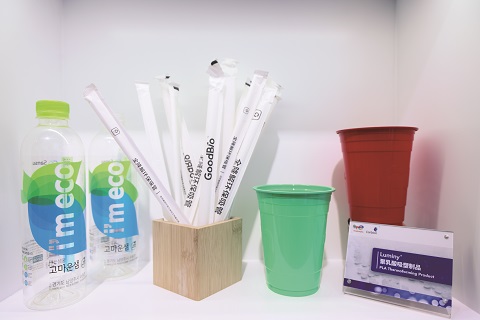
Luminy PLA of TotalEnergies Corbion is adopted for a wide range of thermoforming products.
Sinolong New Materials (Booth: 7.2F82) has introduced the new BiONLY biodegradable film which is a high-quality biaxially oriented PLA (BOPLA) film particularly suitable for packaging applications.
PHA is produced by certain microorganisms through the fermentation of renewable feedstock. It can be processed to have a wide range of properties, including flexibility, strength, and transparency. This versatility allows for its use in various applications including packaging.
Customized plastics for new energy
High-tech materials are game-changer for new energy transformation. These materials play a crucial role in enhancing the efficiency, durability, and performance of renewable energy technologies.
Plastic is increasingly used to produce modern solar panel parts, such as encapsulant films, backsheet, frontsheet, structural parts and other components. Differentiated polypropylene (PP) compounds for solar panel offer significant weight and carbon footprint reductions.
Advanced polyurethane (PU) resins and coatings feature better performance and lower cost benefits for wind turbine blade manufacture. The use of customized PU solutions can reduce the manufacturing cost of wind turbine blade.
In addition, plastic and fiber are preferred for manufacturing hydrogen tanks that are light enough and safe for installation in vehicles and aircrafts. Polyamide (PA) developed specially for hydrogen storage features high barrier properties to reduce hydrogen permeation. CFRP are commonly used to wrap around the thermoplastic liner, proving additional tensile strength and corrosion resistance.
With material innovation, suppliers will continue to enhance the performance of existing product grades and create new products, expanding high-tech materials* potential applications in the future.
There are many more high-tech materials available at the fairgrounds, each with its unique set of properties and applications. Don*t miss the opportunity to explore the feast of high-tech materials at CHINAPLAS 2024!