












Everything is about recyclate quality, says CEFLEX expert

According to the European Union, it requires flexible plastic packaging to incorporate 35% recycled content in non-contact sensitive plastic packaging and 10% in contact sensitive applications by 2030, with targets raising to 65% and 25% respectively by 2040.
CEFLEX (The Circular Economy for Flexible Packaging), a collaboration of over 180 European companies, associations and organizations representing the entire value chain of flexible packaging, leads an end markets analysis on identifying promising markets for recycled flexible packaging materials.
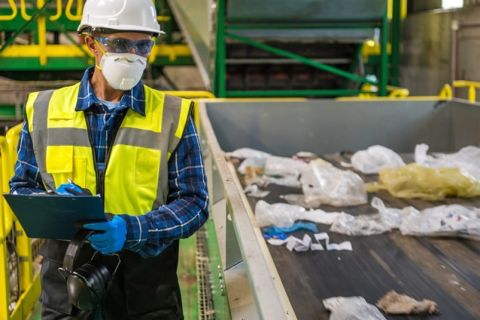
CEFLEX conducted an end market analysis on markets for recycled flexible packaging materials. (Source: CEFLEX)
Recylate quality the key to optimum amount of usage
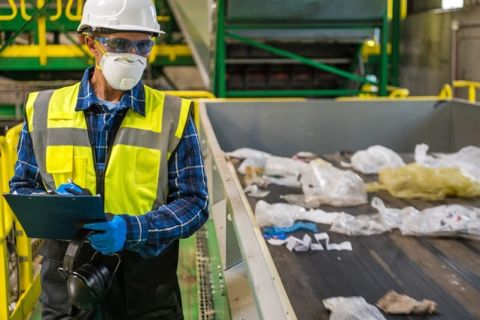
To understand the highest potential for boosting recycled content, CEFLEX took a lot of raw data about the use of virgin polymer demand in Europe. It then analyzed the product category – contact or non-contact sensitive, flexible or rigid, packaging or non-packaging. CEFLEX also conduct interviews with its key stakeholders across the value chain to support and decode the data.
The analysis considers the quality of different post-consumer recyclate (PCR), as well as the recycled plastics available to be re-processed into new products.
“Our data and analysis are a vital component of CEFLEX’s recycling strategy – recommending what recycling capacities and technologies are required to deliver legislative targets and the circular economy,” said James Marshall, CEFLEX’s end market expert.
According to him, a circular economy for flexible packaging requires more end markets for recycled materials along with value chains that prioritise consistent quality of PCR.
Producing PCR of a range of different qualities that match the needs of the different end markets is the optimum way to increase the amount of recycled materials used, said Marshall.
"Everything is about aligning and delivering on quality where market demand exists across different sectors," he explained. "Consistency of recyclate quality is a key driving force for scaling adoption because buyers and businesses need to be confident that recycled material is going to perform."

James Marshall, end market expert of CEFLEX.
Opportunities of recycled flexible packaging materials
The current focus is on post-consumer recyclate material from mechanical recycling process, due to its lowest environmental impact. Targeting meeting demand for recycled materials from the least demanding applications first also potentially gives the fastest gains.
CEFLEX’s analysis highlights a few major opportunities. Firstly, the opportunity to strengthen and expand markets for mechanically recycled polyethylene (rPE) in flexible applications, as well as some potential use in rigid and ‘semi-flexible’ products from fiber and cable extrusion.
Secondly, a strong potential for polypropylene recyclate (rPP), with clear opportunities in rigid and other extrusion products and possibilities for mechanical PCR in flexible applications, such as labels, tapes and textile packaging.
Thirdly, for the foreseeable future, chemical recycling will be needed to address contact sensitive packaging, particularly food contact applications, with advanced mechanical and physical recycling processes possibly able to serve some non-food contact sensitive and high technical specification applications with rPE and rPP, such as automotive for example.
Marshall emphasized that the whole value chain need to continue improving packaging design and optimizing existing mechanical recycling technologies to deliver better yields and quality at a greater scale to capitalize on these opportunities.
Nevertheless, legislation is also a critical enabler of the circular economy. The EU Packaging and Packaging Waste Regulation is going to have a huge impact in driving investment, as well as increasing recycled content demand.