















Avient expands Asia manufacturing of non-PFAS process aid

Avient is expanding the recent launch of its Cesa Non-PFAS Process Aid to Asia. This new solution is formulated without fluoropolymers, which may be classifiable as per- and polyfluorinated substances (PFAS), for use in polyolefin extrusion and film applications.
The product is currently manufactured in Greater China, Thailand and the US. It is available for customers in Asia, the US, and Canada.

Avient expands the launch of its new Cesa Non-PFAS Process Aid for polyolefin extrusion and film formulations to Asia.
Enable processability and quality
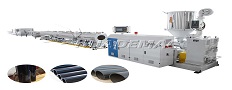
Avient’s new Cesa Non-PFAS Process Aid delivers performance characteristics similar to traditional fluoropolymer-based options, reducing friction between the polymer and the metal, allowing the polymer to be more easily extruded.
It helps reduce melt fracture, eliminate die build-up, and lower torque for higher throughput. Reducing melt fracture, also known as sharkskin, can also improve optical properties, leading to a higher-quality product appearance.
In addition, Cesa Non-PFAS Process Aid can deliver these performance benefits at the same dosage levels as traditional fluoropolymer-based additives while meeting Greater China GB 9685-2016, U.S. FDA, and EU food-contact safety regulations.
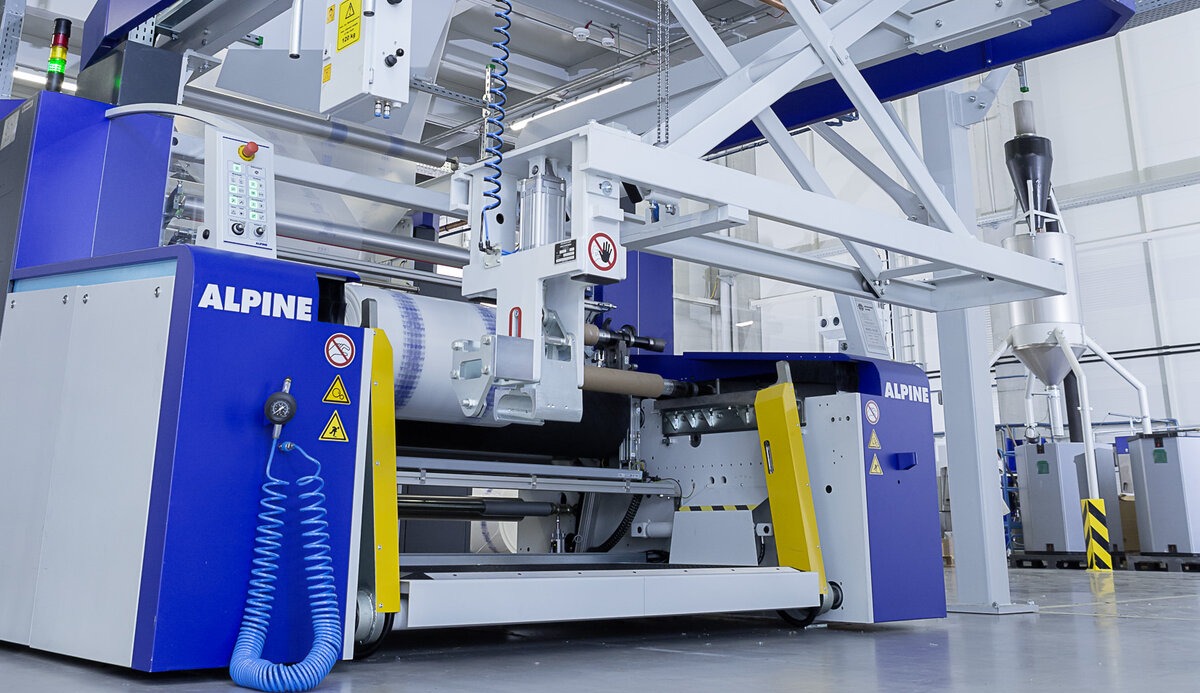
It can be used in polyethylene (PE) and polypropylene (PP) films for flexible packaging, as well as cast PP films and PE tubing for various food packaging applications, such as stand-up pouches, labeling tubes, and laminated tubes.
Pressure to ban PFAS
Certain PFAS are widely used in various polymer formulations to deliver desirable properties such as durable resistance to heat, oil, stain, and water. However, environmental concerns about PFAS are growing as studies have indicated many PFAS break down very slowly over time and can persist in water and soil.
“As a result, some countries are restricting PFAS, and there is growing pressure to ban all PFAS. This is causing processors to search for non-PFAS alternatives,” said Pal Shi, Asia Marketing Director, Color and Additives at Avient.