












(Interview) ENGEL: Plastic prefillable syringes expected to drive the market

The COVID-19 pandemic control and prevention efforts have made impacts on the plastics industry, such as driving the demands for testing devices and vaccine packaging.
Gero Willmeroth, President of East Asia and Oceania at ENGEL, has recently shared with Adsale Plastics Network about the development trends of injection molding in manufacturing pipettes for virus testing and syringes for vaccine injection.
According to Gero Willmeroth, ENGEL’s Medical Business Unit has seen an additional boost since the coronavirus outbreak, continuing to grow in the past months. COVID-19 relevant projects have been handled with highest priority in the injection molding machine builder’s production plants.
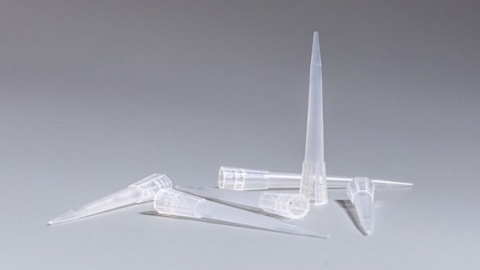
Besides face masks and parts for respirators and intubation, customers have been producing test kits for mobile testing, pipette tips for laboratory testing devices and test swabs.
“For test swabs as well as for face masks, ENGEL has established close cooperation with its partner companies Hack and Haidlmair, in order to help plastic processors change their production at short notice,” said Gero Willmeroth.

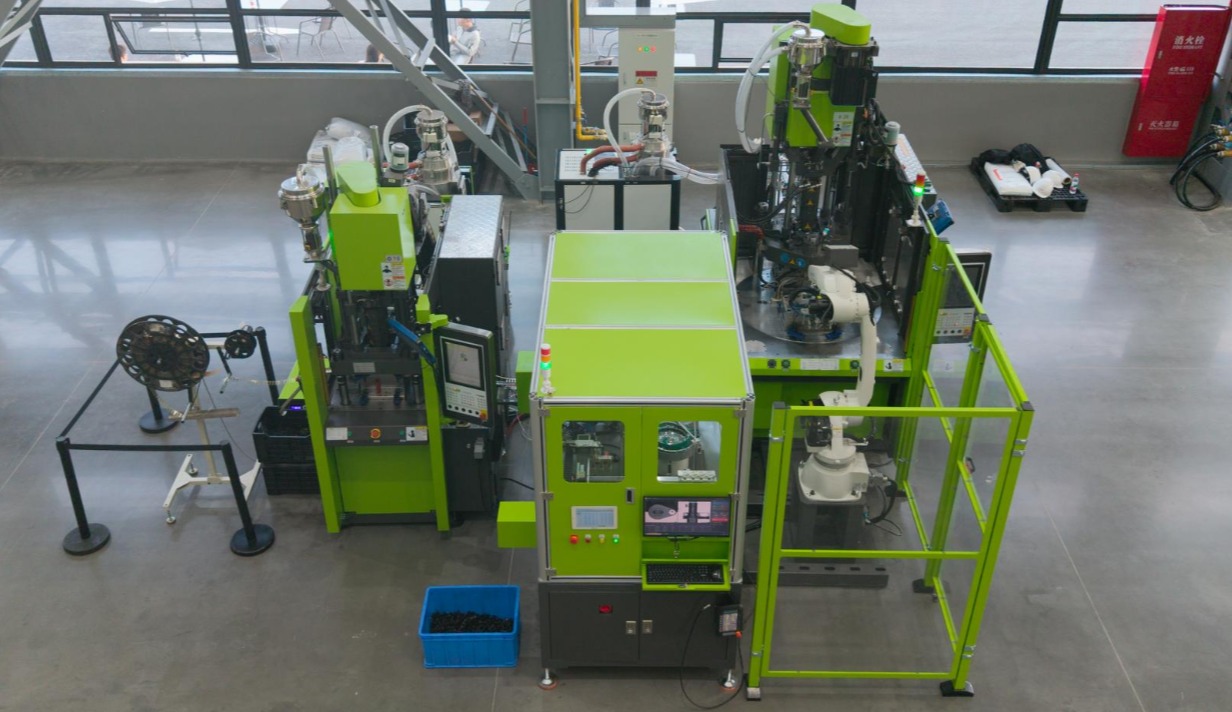
ENGEL and Hack Formenbau jointly developed and optimised the process for high-volume test swab production. (Photo: ENGEL)
Plastics gaining share in prefillable syringes market
Talking about the trends of materials and processing for vaccine packaging, Gero Willmeroth pinpointed the growing trend of prefillable syringe and plastics application.
“For vaccine packaging, we see a trend towards prefillable syringes. Glass still has a clear edge in this market segment, anyhow plastics are gaining market shares rapidly,” he commented. “The plastic syringes are usually made of COC (cyclo olefin copolymer). There are various reasons that prompt a pharmacist to opt for a COC product: the material is inert, bio-compatible and exhibits low protein absorption.”
“Compared to glass, polymers have the advantage that they avoid contact with heavy metals during processing, and therefore, also the risk of becoming contaminated,” explained Gero Willmeroth.
Compared with PP, COC has higher barrier properties against both moisture and oxygen, said Gero Willmeroth. Another huge advantage of COC over glass is its high break-resistance. In addition, COC has the same optical properties as glass while PP is dull in comparison.
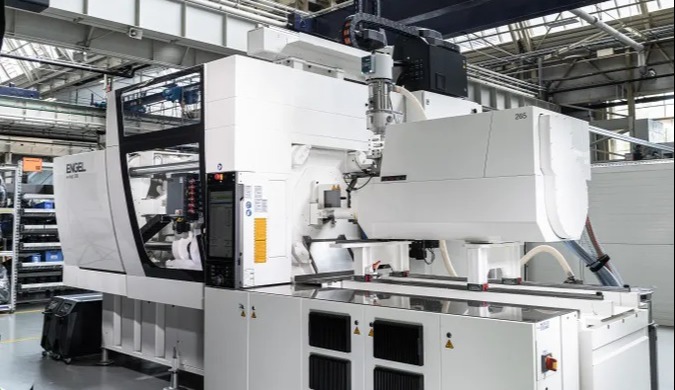
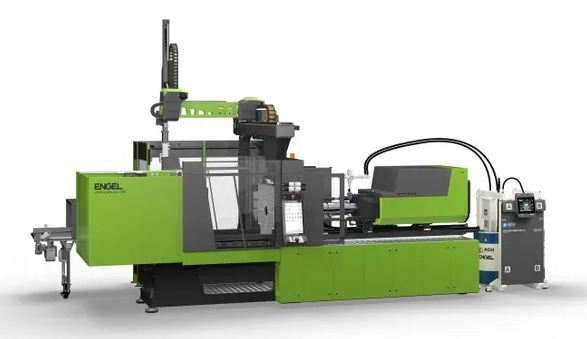
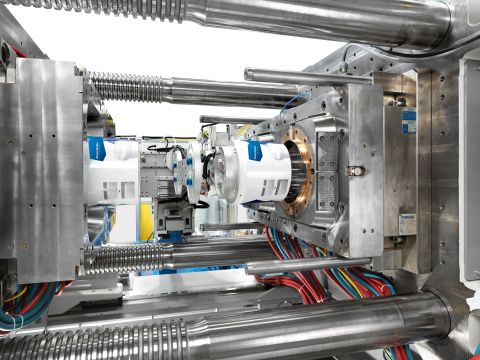
ENGEL’s high performance all-electric e-motion series are used to produce prefillable syringes, meeting the high requirements of precision, cleanliness and short cycle time.
High precision the determining factor
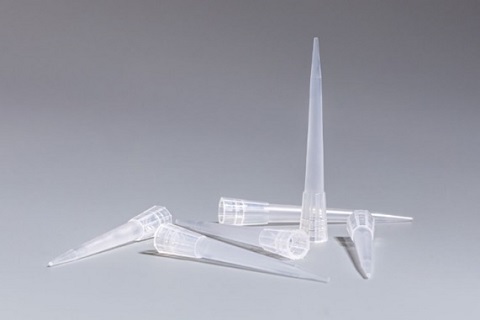
Gero Willmeroth also highlighted the importance of high precision production to the quality of pipette tips.
“The quality of pipette tips largely depends on the precision of the injection process. At the same time, the long cores in the mold require absolutely precise movements of the mold mounting platens during opening and closing,” he remarked.
ENGEL and Hack Formenbau jointly developed and optimised the process for high-volume test swab production. (Photo: ENGEL)
All-electric injection molding machines are the preferred solution in this application segment, where cost-effectiveness is a decisive factor in choosing a machine.
In the form of the e-mac, ENGEL has an all-electric injection molding machine in its portfolio that combines high output and energy efficiency with an extremely compact machine design, ensuring the lowest possible unit costs even in a clean-room environment.
Gero Willmeroth noted that while the requirements for virus testing and vaccine packaging do not differ much from one region to another, China offers large potential in terms of market size.
ENGEL has been well prepared and responding to the growing market demands for highly sophisticated and urgent medical device supply, he emphasized.