













Starlinger’s recycling line ifor high-quality deodorized regranulate production

Portuguese plastics recycling company Ambiente produces high-quality deodorized regranulate from washed agricultural films and detergent bottles on a Starlinger recoSTAR dynamic 165 C-VAC recycling line.
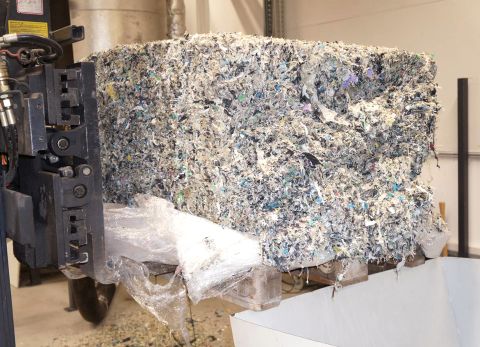
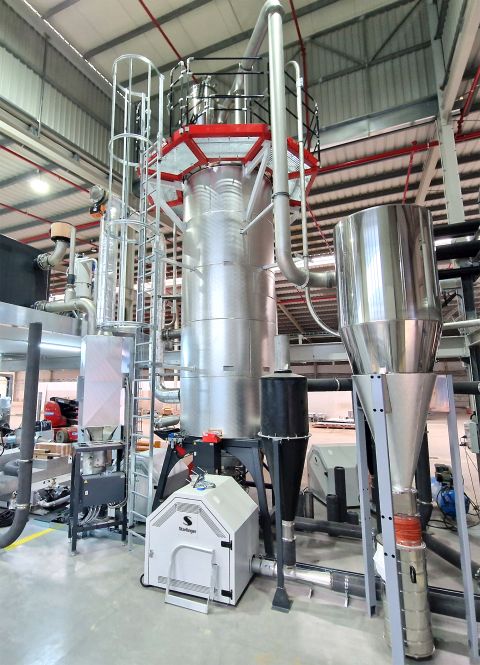
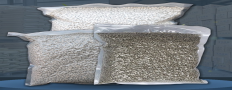
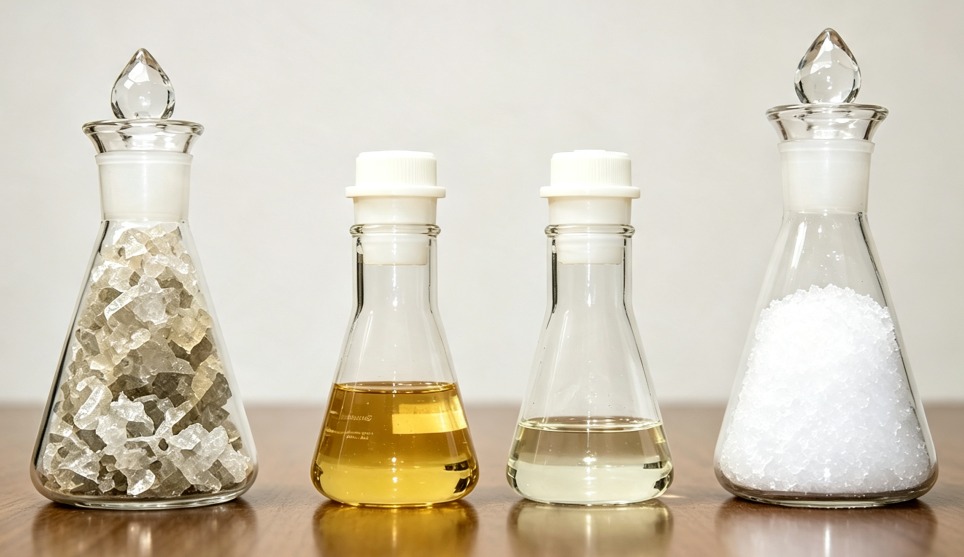
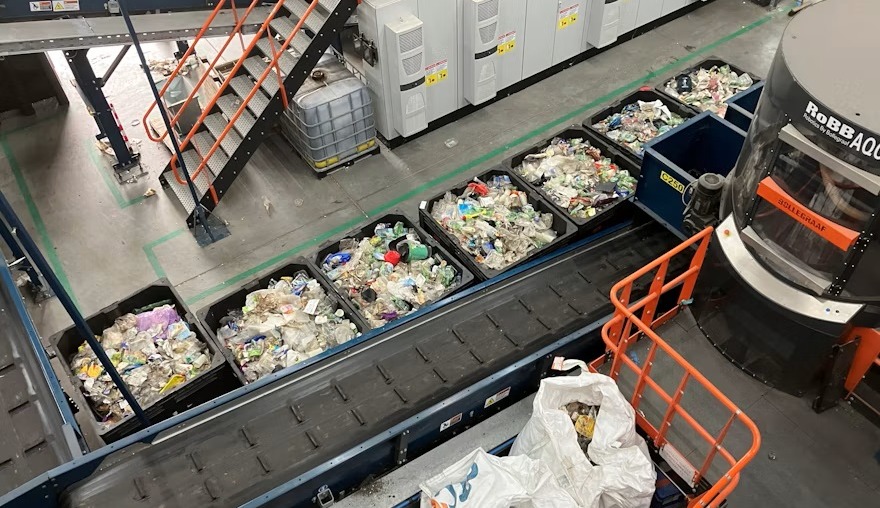
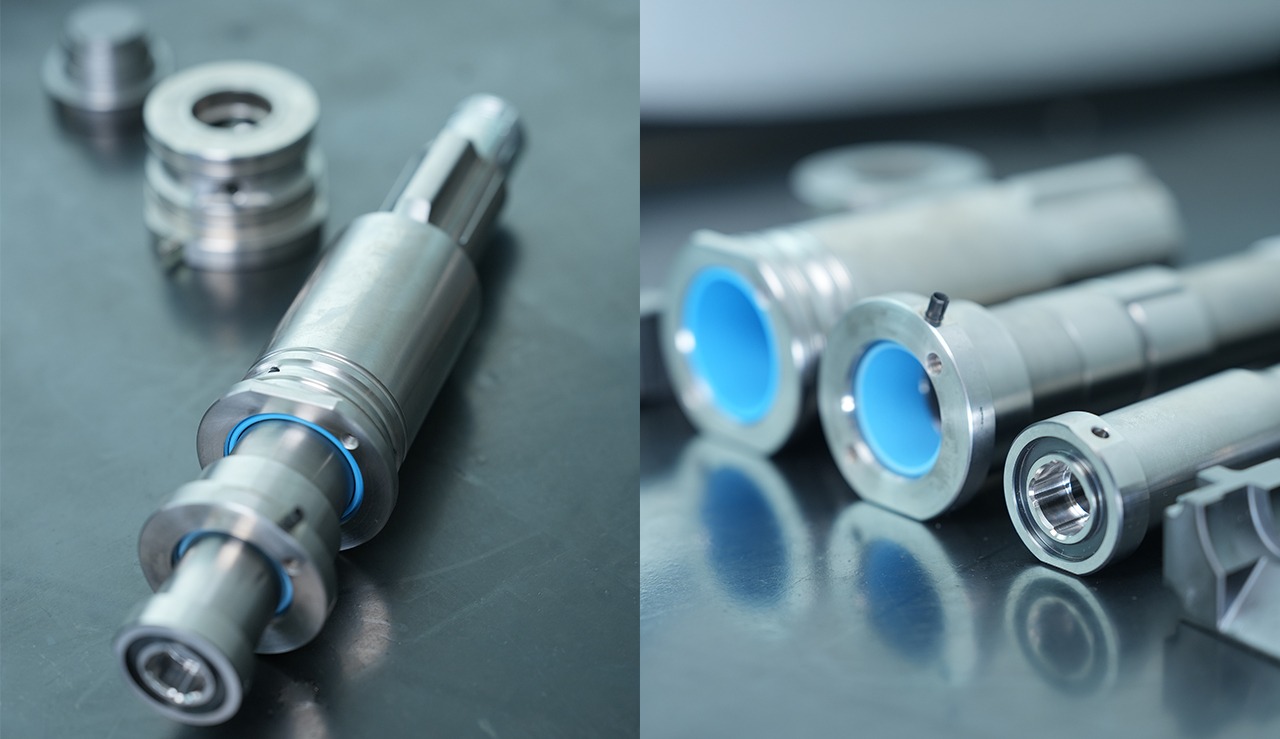
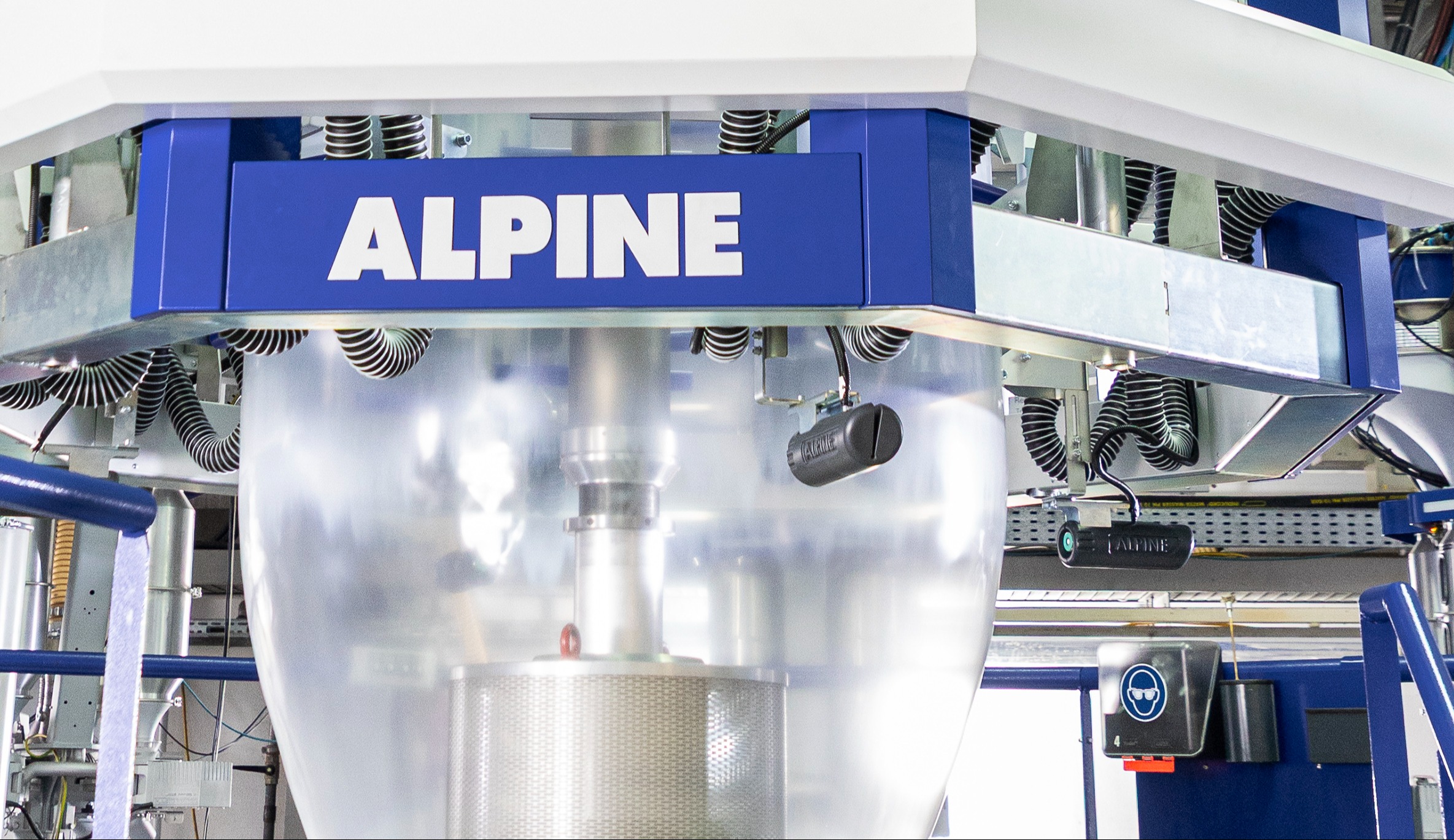
The input materials and the pellet conditioning unit from Starlinger recycling line.
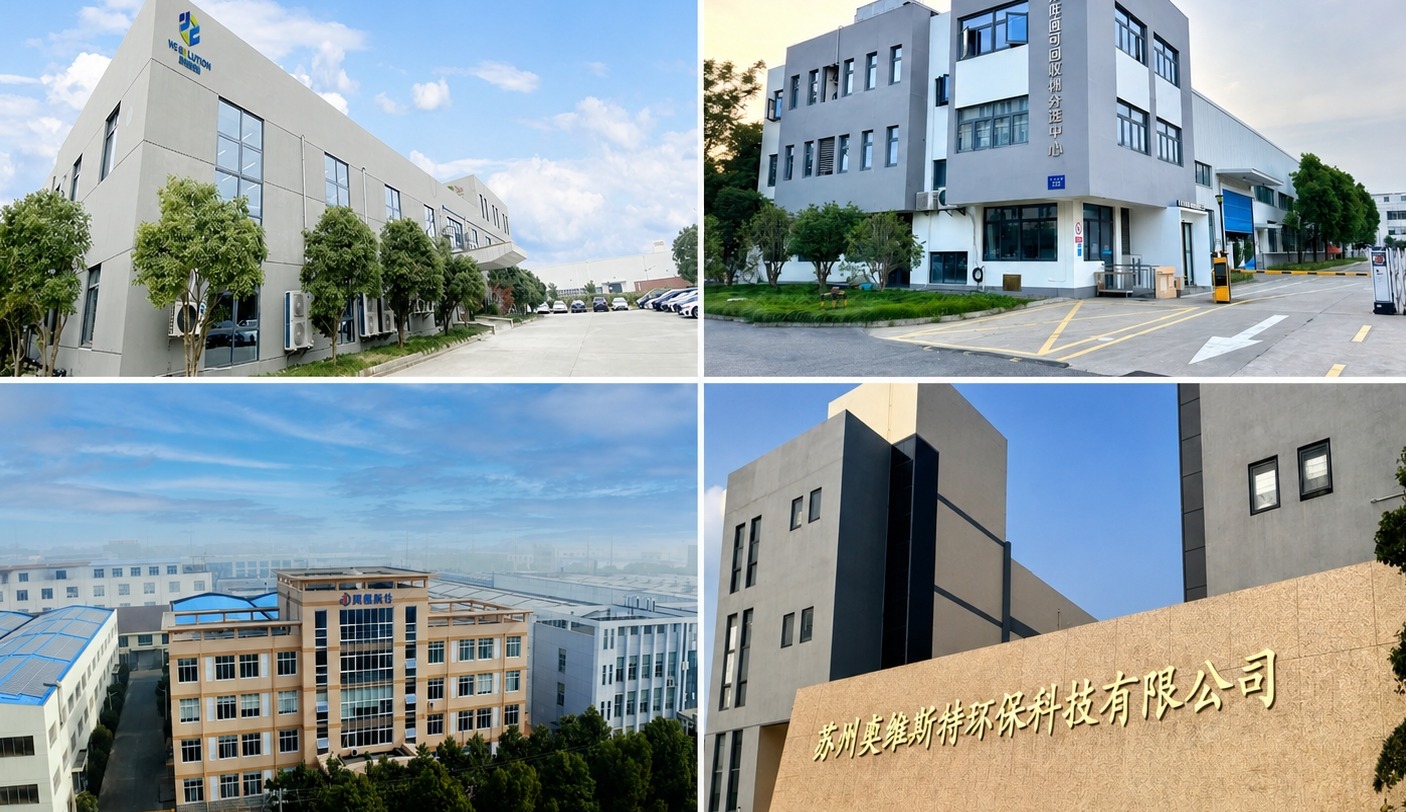
In Ambiente’s new factory in Leiria, north of Lisbon, Portugal, the Starlinger line took up operation in June 2024.
The factory recycles both industrial and domestic post-consumer plastic waste, in which a large share of it consists of discarded LDPE agricultural films and HDPE detergent bottles. Then, Ambiente converts them into pellets for film extrusion and blow molding applications.
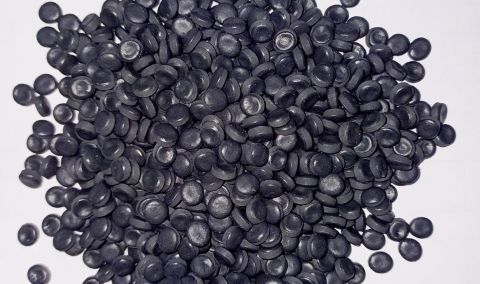
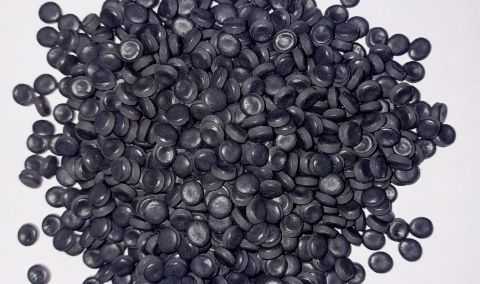
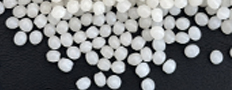
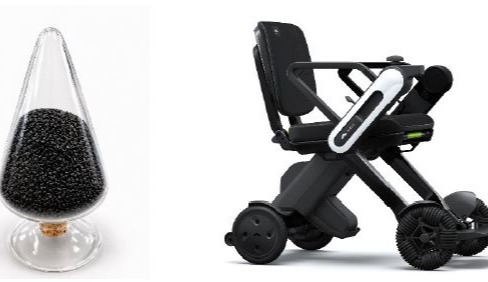
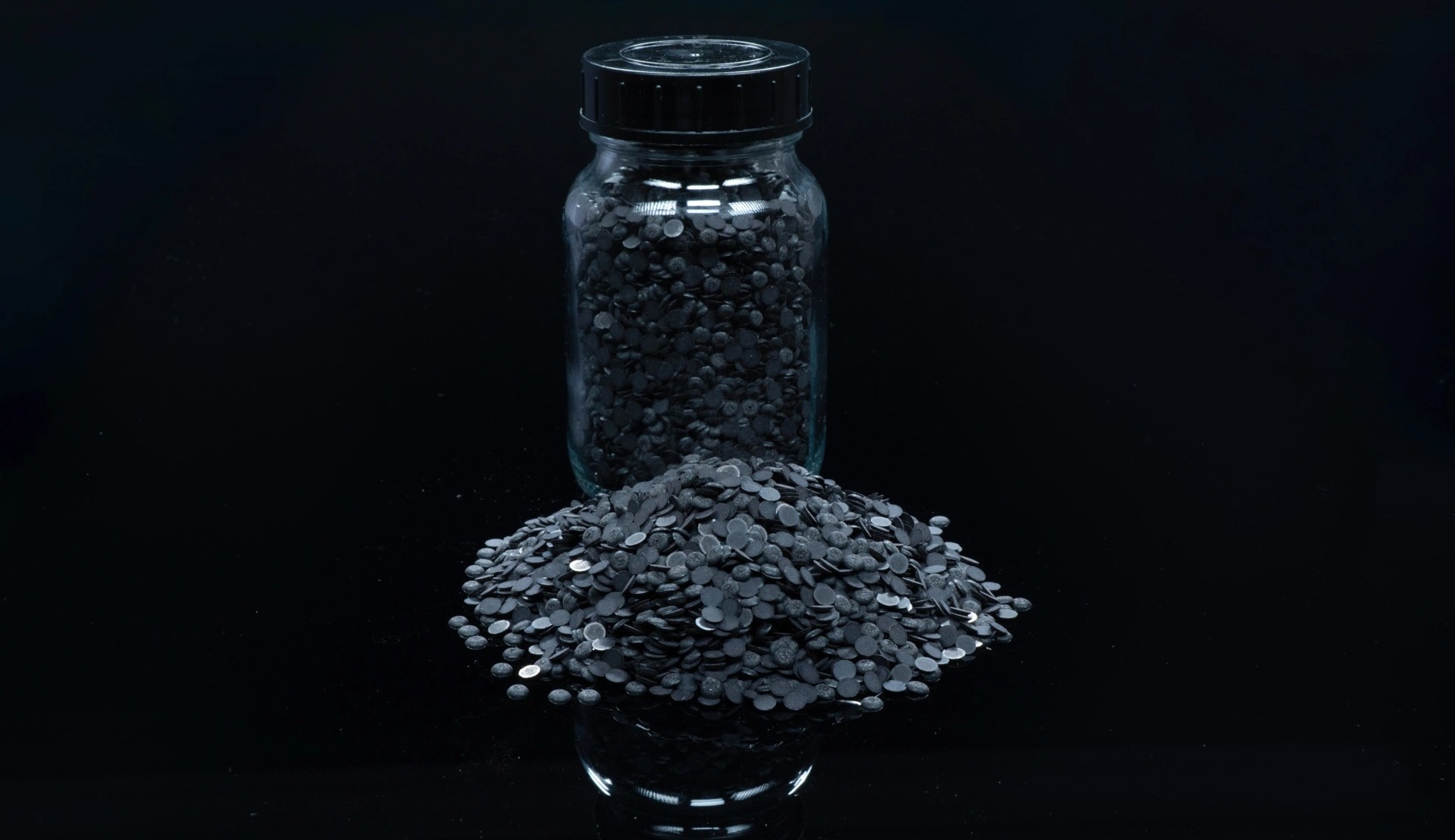
The recycled pellets produced.
“We want to explore new applications for input materials with strong odors and high contamination levels. For this, all contaminants need to be eliminated as thoroughly as possible in the recycling process. That’s why we are investing in the best available technologies,” said Paulo Pires, Managing Director of Ambiente.
Processes in Starlinger’s recycling line
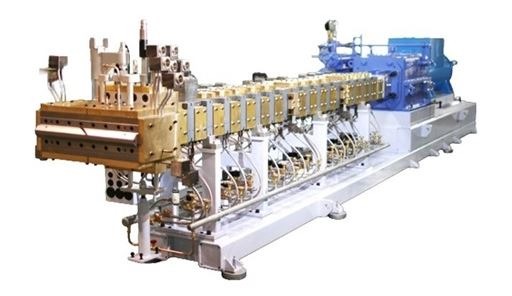
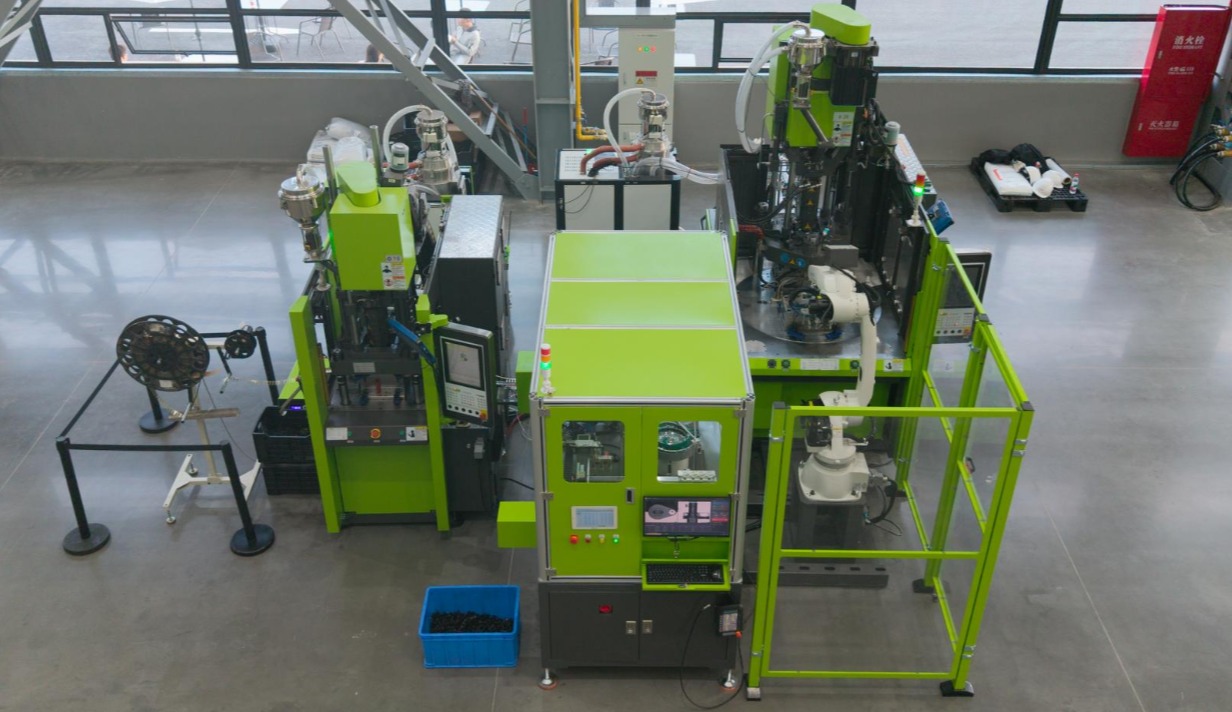
The recoSTAR dynamic 165 C-VAC recycling line at Ambiente features Starlinger’s renowned odor reduction technology and processes detergent bottle made of HDPE and washed post-consumer agricultural LDPE films.
The process starts with cutting and homogenizing the input material in the SMART feeder where the material is also heated until it reaches the ideal operating point. Highly volatile odors are already extracted during this step.
The melt then passes through continuous melt filters where solid contaminants are removed so that they cannot release odors during the following steps. In the subsequent C-VAC module, the melt surface is increased by 300 %, achieving extremely high degassing efficiency. This ensures even deeply embedded odors are permanently extracted.
In the final step, the produced recycled pellets are treated in the pellet conditioning unit at to extract the most persistent odors. This ensures permanently odor-improved regranulate that can be used for manufacturing a wide range of plastic products.