













Evonik team develops special formulation for using tire recyclate

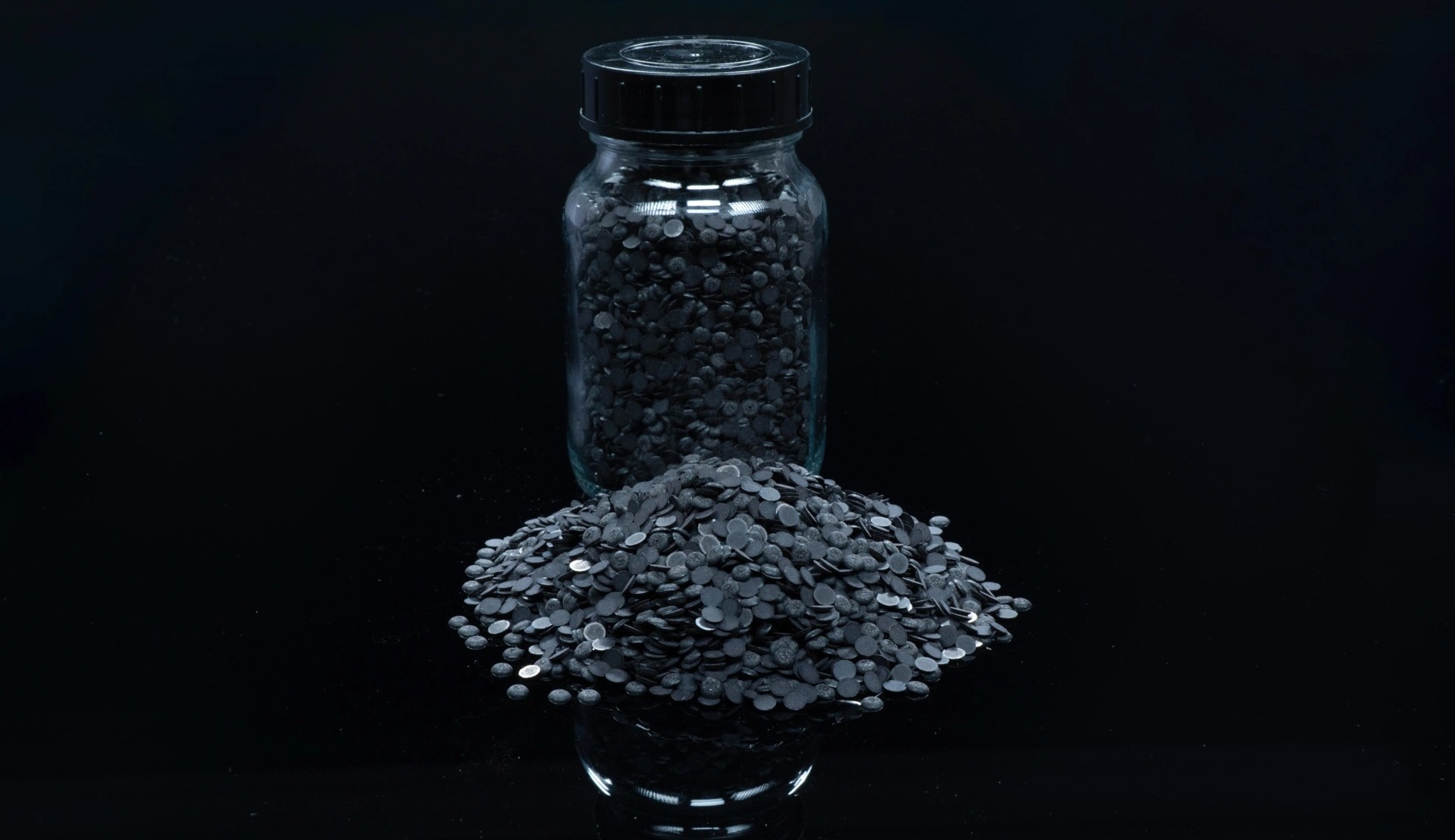
Evonik has developed a special formulation to maximize the use of tire recyclate in new tire production, enhancing circularity of end-of-life tires.
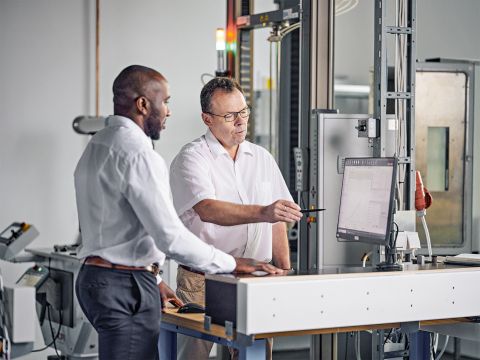
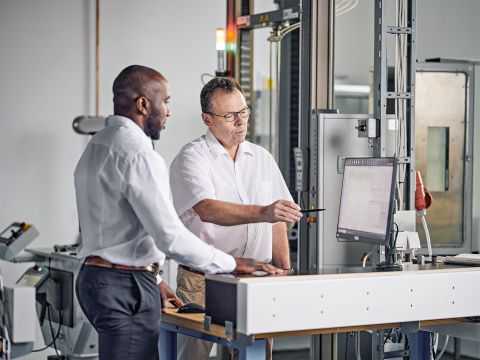
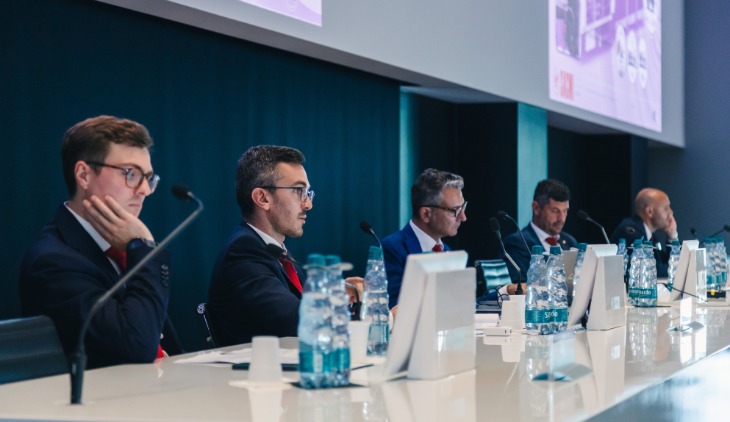
Christian Mani (left), Project Manager Circularity, works closely with Jens Kiesewetter, Head of Tire & Rubber Application Technology, to enhance circularity of tires. (Source: Evonik)
Challenge to integrate tire recyclate
New tire rubber is normally produced by vulcanization of raw rubber, sulfur, and other components.
However, as ground tire rubber from end-of-life tires include vulcanized material, the properties differ from those of non-vulcanized rubber. Their chemical structure hampers interaction with new tire materials.
Therefore, trade associations in the tire recycling sector currently set an admixture of about 5% ground tire rubber from end-of-life-tires as the upper limit.
Reversing vulcanization of rubber
Christian Mani, Project Manager Circularity at Evonik, and his team of researchers have succeeded in reversing the vulcanization of rubber to a large extent.
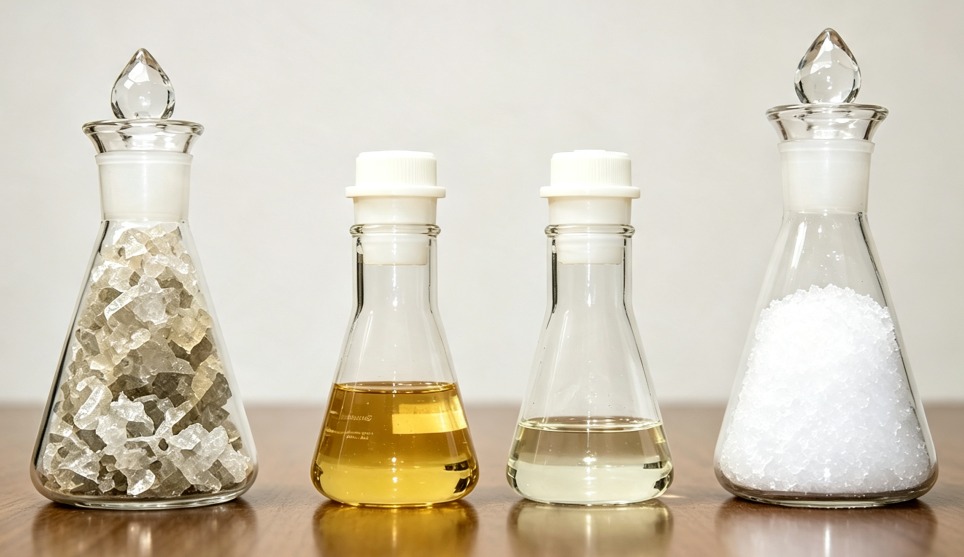
By adding a special formulation containing vinyl silanes, the firm bonds in the recycled rubber can be split. The sulfur bridges in the rubber are cleaved, with many of the long carbon chains untouched.
The team has already used these vinyl silanes successfully for devulcanization. In trials, the proportion of recyclate in the rubber blend could be increased to up to 20%, up to four times as much recycled rubber in new tires as in the past.
The team also aims to find a solution for use in large, commercial scale, industrial production in the foreseeable future.