

















(INC-5 Direct) UNEP Chief: Don’t let the treaty become meaningless

World leaders have convened in Busan, Republic of Korea, for the fifth session of the Intergovernmental Negotiating Committee (INC-5). Over the next few days, they will discuss and develop an international legally binding instrument to combat plastic pollution.
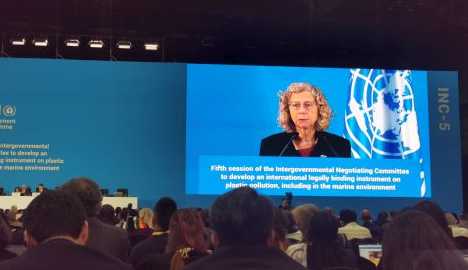
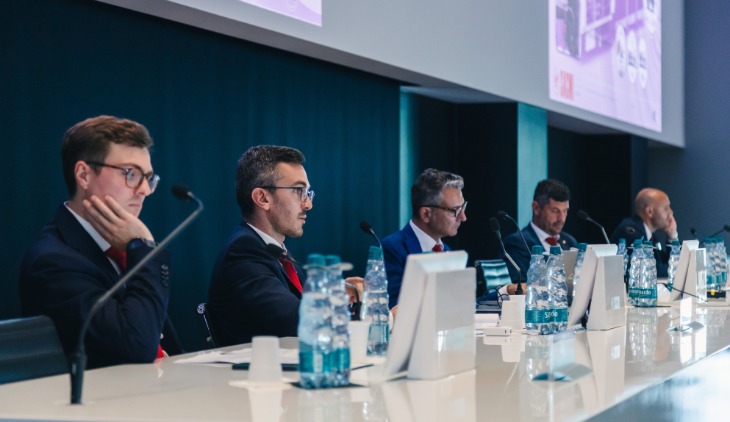
“Today marks one thousand days since the historic UNEA resolution green lighting these negotiations. As some other multilateral deals were decades in the making, this marks good progress,” said Inger Andersen, Executive Director of United Nations Environment Programme (UNEP), during her opening speech in the morning today (November 25).
However, plastic pollution operates on a much longer timescale. Some plastics can take up to one thousand years to decompose, and this is why public and political pressure for action has risen to a crescendo, she noted.
At the international level, there have been clear indications that a deal is essential. The G20 declaration last week emphasized that G20 leaders are “determined” to land this treaty by the end of the year.
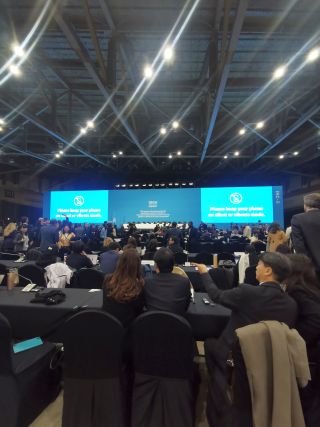
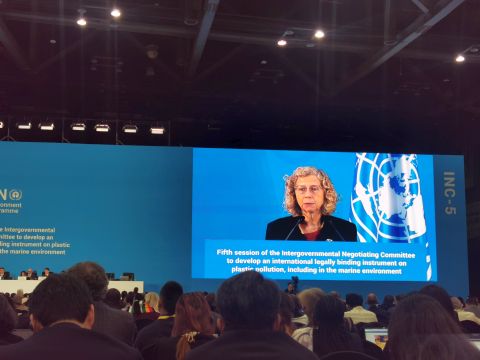
Inger Andersen, Executive Director of United Nations Environment Programme (UNEP).
Three unresolved issues require significant effort
Inger Andersen emphasized that minor differences of opinion should not hinder rapid progress in critical areas such as implementation and compliance, evaluation and monitoring, information exchange, education, and research. “Let’s agree on these quickly, so we can address the critical issues,” she stated.
She also stressed the importance of swiftly nailing key obligations, including product design, emissions and releases, waste management, capacity building, technology assistance, and technology transfer.
Inger Andersen highlighted three unresolved issues that will require significant effort to address during the course of this week.
1. The first unresolved issue concerns plastic products and chemicals. There is a clear opportunity to list the obvious harmful chemicals and to establish a process for listing those not yet identified.
2. The second unresolved issue revolves around supply. A lifecycle approach to sustainable production and consumption of plastics should serve as the “guiding star,” with national plans and reporting providing critical tools for ensuring compliance with the agreements.
3. The third unresolved issue pertains to finance. The UNEA resolution indicates that parties should consider establishing “a financial mechanism to support the implementation of the instrument, including the option of a dedicated multilateral fund.” It is essential to outline the broad contours of how this mechanism would function.
In her concluding remarks, Inger Andersen urged the negotiators to engage in good faith and focus on what is important and urgent, as many details will be addressed later. She also emphasized that it is crucial not to lower the bar so far that the treaty becomes meaningless.
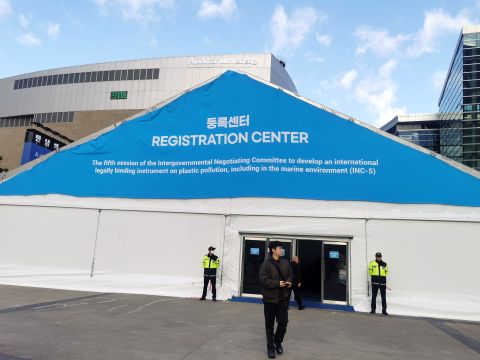
The registration center.
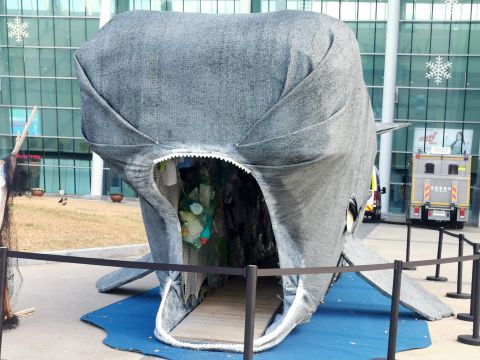
An art installation of a large shark with a belly full of various plastic bottles, highlighting the impact of plastic pollution on marine life.
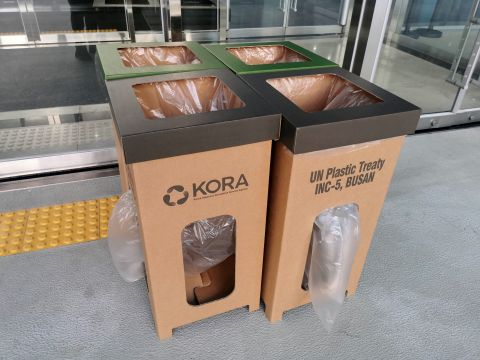
The trash cans are made of cardboard for easy recycling.

Editors of Adsale Plastics Network attend the INC-5 event on site.