















LG Chem and Reifenhäuser to bring MDO PE films to a broad market

The demand for flexible mono-material packaging is growing rapidly. LG Chem and Reifenhäuser, the leading extrusion machine manufacturer, confirmed to further develop and market competitive Machine Direction Oriented (MDO)- Polyethylene (PE) blown films and flat films for recyclable packaging.
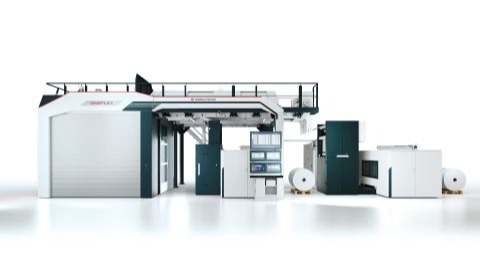
The two companies successfully collaborated in May 2024, presenting the world's first MDO-PE film without PFAS additives, measuring just 18 micrometers (µm). This innovation was produced on an EVO Ultra Stretch blown film line from Reifenhäuser, utilizing specially developed PE materials.
MDO-PE films must be stable and economical to produce in order to make the leap from a niche to a broad market, noted Bernd Reifenhäuser, CEO of the Reifenhäuser Group.
“For the first time, processors will be able to produce recyclable MDO-PE films at competitive production costs in a stable process that can be optimally further processed,” he said.
Dr. Lee Choong Hoon, Vice President and Head of NCC/PO Business Unit at LG Chem, added: “Our combined technology has achieved unprecedented records in downgauging MDO-PE film – and that was just the beginning. We will continue this path together to accelerate the recyclability for flexible packaging.”
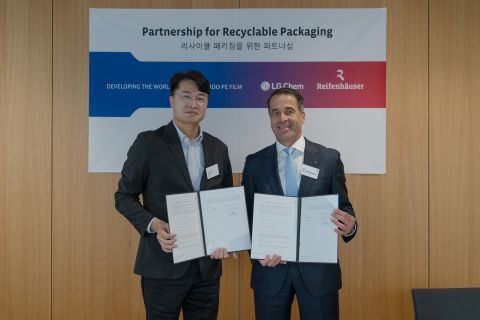
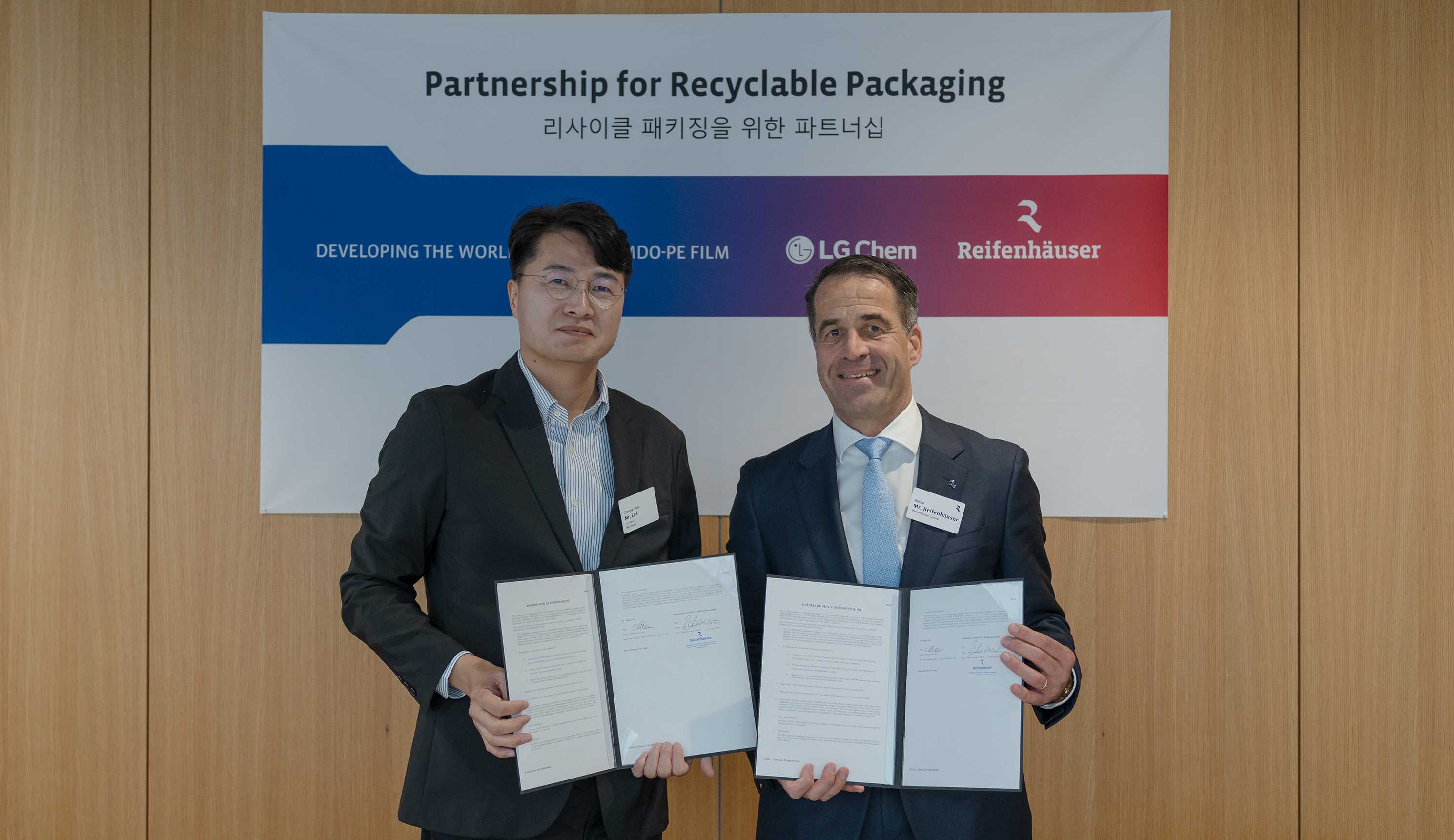
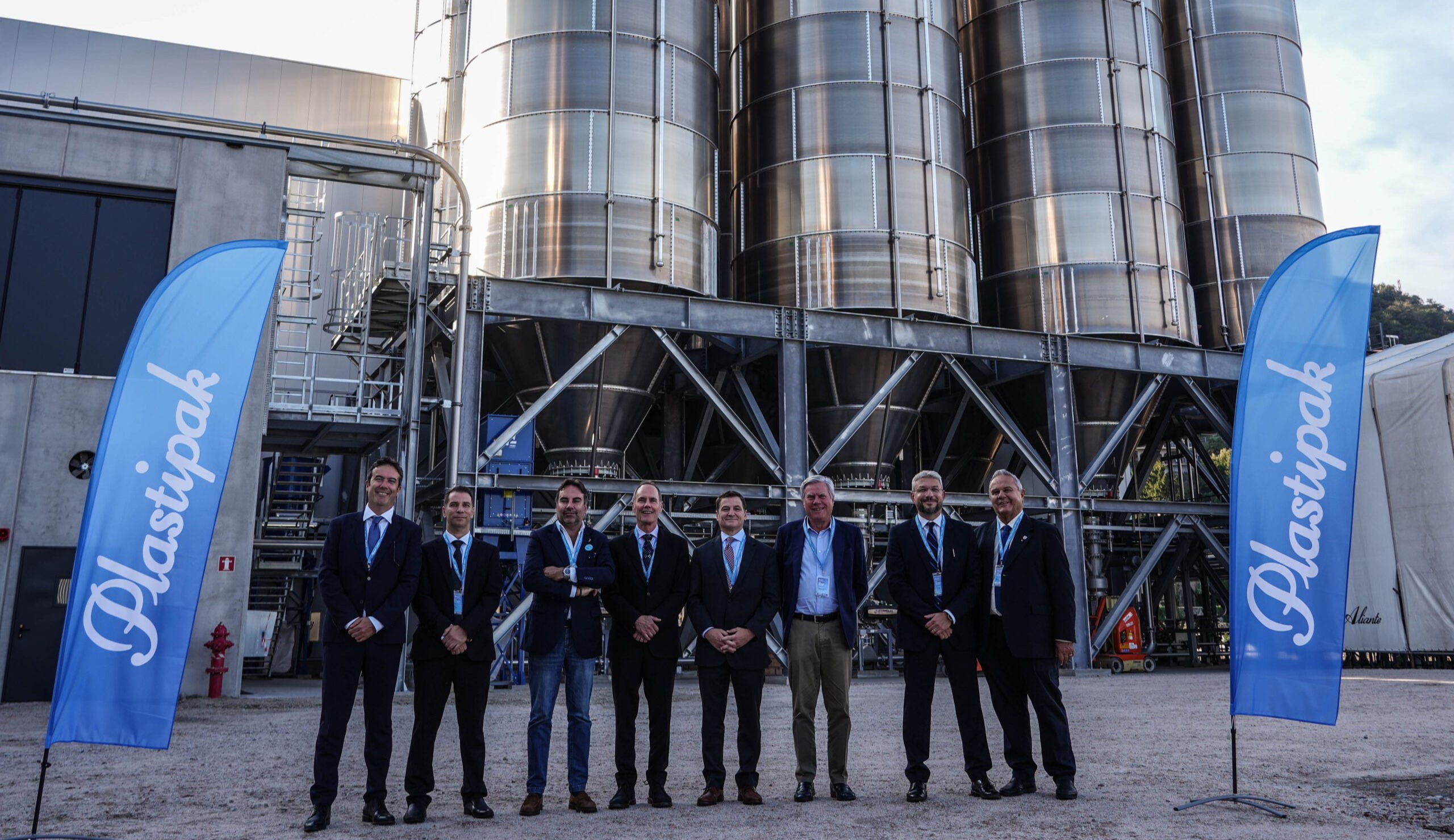
LG Chem and Reifenhäuser have signed a Memorandum of Understanding (MOU) to collaborate on competitive MDO PE films for sustainable packaging. (Source: Reifenhäuser)
Further downgauging for competitiveness
LG Chem and Reifenhäuser are also working on further reducing material consumption by downgauging towards the level of conventional PET-PE laminates, making the production of MDO-PE films more profitable.
This is achieved by replacing the standard 12 µm PET film with a 16 to 17 µm MDO-PE film. With the reduction to 18 µm, the partners are already very close to reaching this goal.
Thanks to the patented positioning of Reifenhäuser’s MDO Ultra Stretch unit directly in the line's haul-off, the film is stretched from the first application of heat. This setup ensures a particularly stable process, which is often a limiting factor for material reduction. Consequently, in combination with ongoing recipe developments, the potential for producing even thinner films in the future is promising.