
















(INC-5 Direct) INC-5 adjourned without agreement, follow-up session planned in 2025

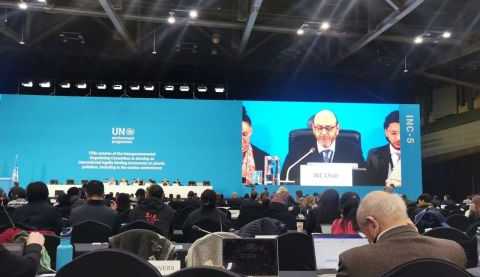
The fifth session of Intergovernmental Negotiating Committee (INC-5) was adjourned on Dec 1, with negotiating countries agreeing on a “Chair’s Text” that will serve as the starting point for negotiations at a resumed session in 2025.
The date and venue of the resumed session are yet to be announce.
Some countries expressed their strong expectation on pushing forward a strong and effective treaty while some others, including the Saudi Arabia, requested not to resume the negotiation before mid-2025.
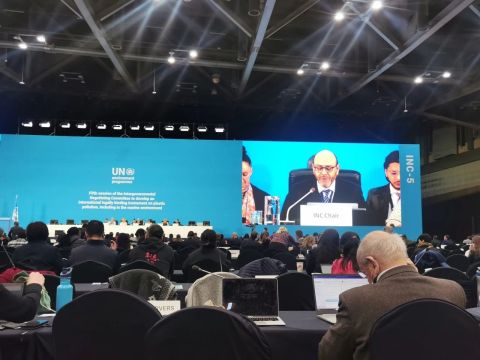
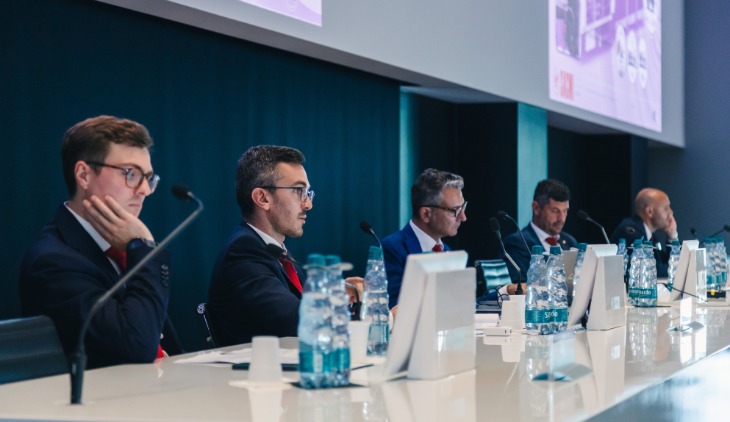
Ambassador Luis Vayas Valdivieso, the INC Chair, at the plenary.
Stronger consensus reached at INC-5
“Through the Busan talks, negotiators have reached a greater degree of convergence on the structure and elements of the treaty text, as well as a better understanding of country positions and shared challenges. But it is clear there is persisting divergence in critical areas and more time is needed for these areas to be addressed,” said Inger Andersen, Executive Director of the UN Environment Programme (UNEP).
Hugo Schally, Advisor for International Negotiations, Director General for the Environment, European Commission, expressed EU’s disappointment at the lack of legally-binding, concrete outcome of INC-5.
“But we feel encouraged and empowered by a growing number of countries sharing the same ambitions – and the number of countries continues to grow. The EU was and will continue to be a driving force for an ambitious agreement. We will work further in good faith with others to make a leap towards ending plastic pollution.”
Divergence on key controversies
The draft text fails to address three key issues on core obligations as well as means of implementation:
Plastic production (“Supply”): Having a binding target on capping plastic production
Chemicals of concern: Including systematic controls on toxic chemicals
Financing mechanism: Providing financing support and funds to developing countries to help implement the treaty
An option proposed by Panama, supported by more than 100 countries, including small island nations, African nations, European countries like Norway and developing countries like Mexico, supported to create a path for global plastic production reduction target.
On the other hand, a small number of petrochemical-producing nations, including Saudi Arabia, have strongly opposed plastic production caps, calling instead for a focus on waste plastic management.
Another divided issue concerns financing support to developing countries. At least 126 countries support an independent, dedicated fund to facilitate the treaty implementation. However, the Chair’s text undermines this issue with weak, optional language that fails to provide adequate funds, such as through a polymer production fee.
Shared ambition to solve plastic pollution
Despite divergence among different countries and stakeholders, the global aim to end plastic pollution is consistent.
“The world’s commitment to ending plastic pollution is clear and undeniable. Here in Busan, talks have moved us closer to agreeing on a global legally binding treaty that will protect our health, our environment, and our future from the onslaught of plastic pollution,” said Inger Andersen.