
















SK chemicals and Hyundai collaborate on automotive recycling

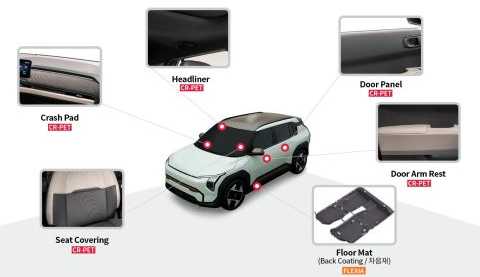
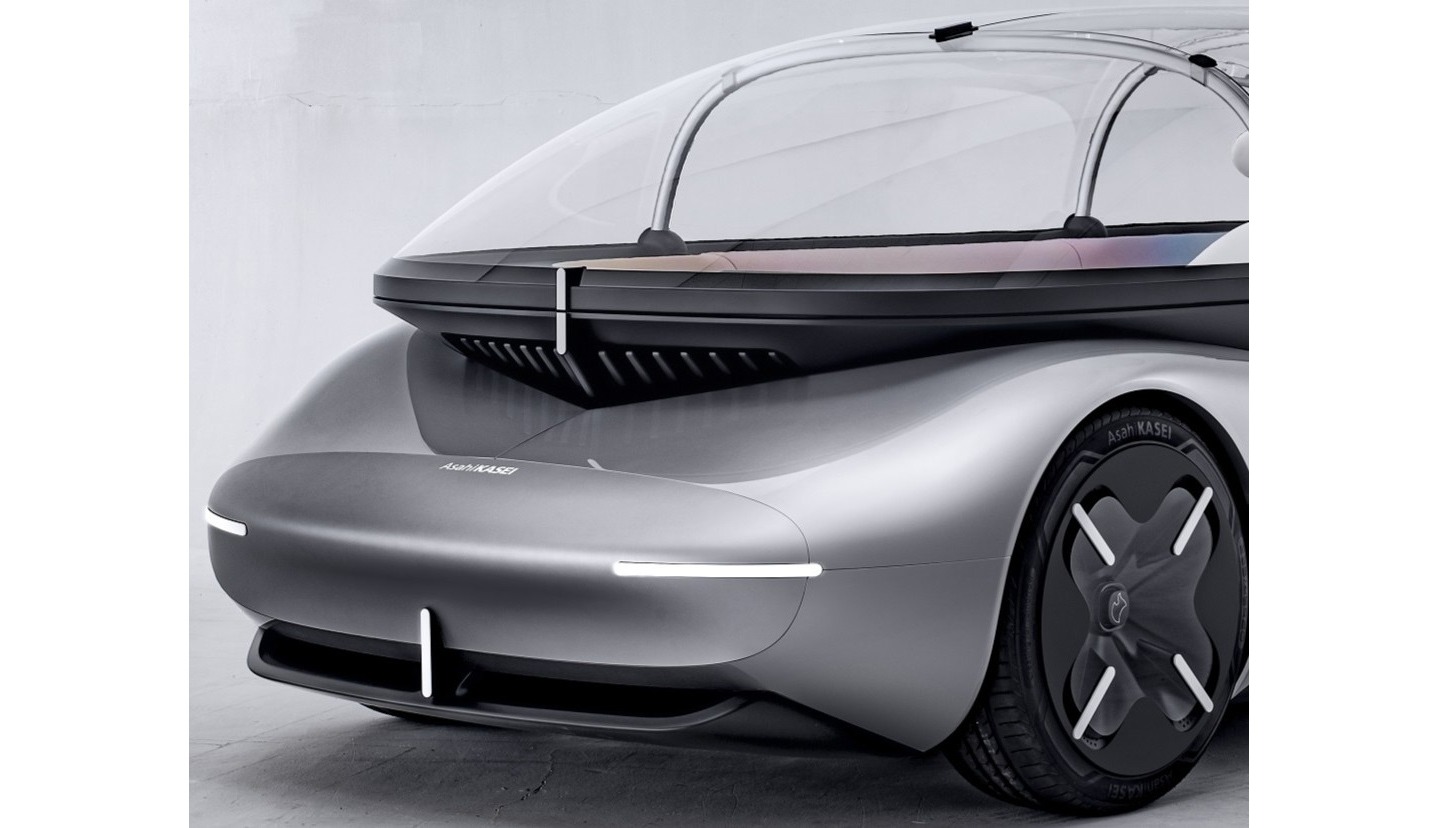
In collaboration with Hyundai·Kia's AVP Division and Basic Materials Research Center, SK chemicals has applied six automotive components made from recycled and bio-based materials to Kia's EV3 Study Car.
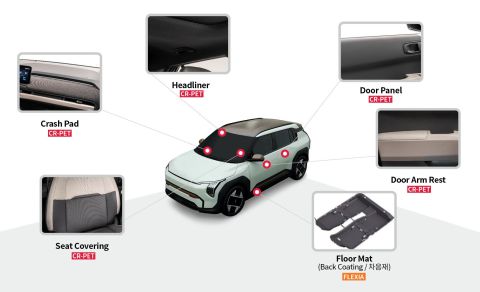
Six automotive components made from recycled and bio-based materials have been applied to Kia's EV3 Study Car. (Source: SK chemcials)
The EV3 Study Car model, which was unveiled at the HMC Study Car Exhibition on November 13, tested the potential for applying eco-friendly materials by recycling discarded resources and using bio-based materials.
SK chemicals recycled PET-based automotive components using circular recycling technology. Five components made with recycled PET were applied, including headliner, seats, crash pads, door panels, and door armrests.
In addition, SK chemicals’ new soft material, FLEXIA, was applied to the floor mat to provide a single polyester composition for easier recycling.
The recycled materials applied by SK chemicals in this prototype car fall under the fiber category. Fibers face challenges in utilizing waste resources through physical recycling methods due to limitations in spinning, difficulty in achieving desired colors, and insufficient durability for other fiber properties.
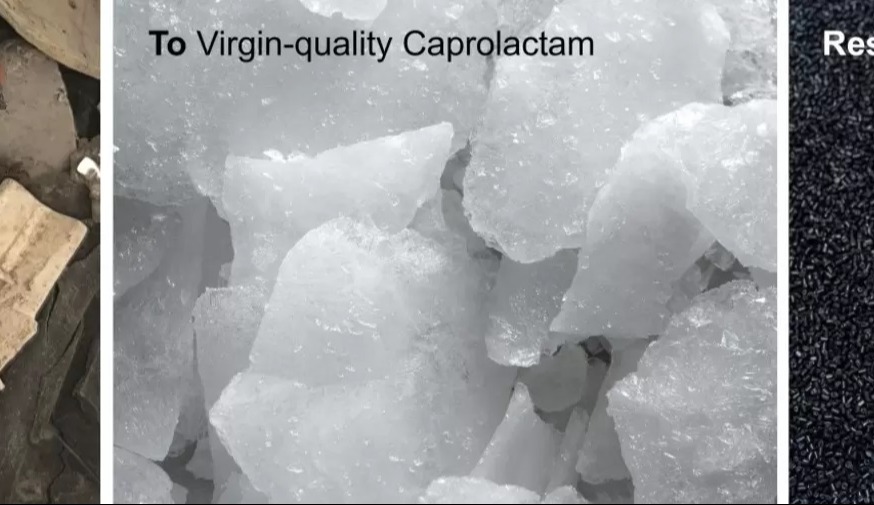
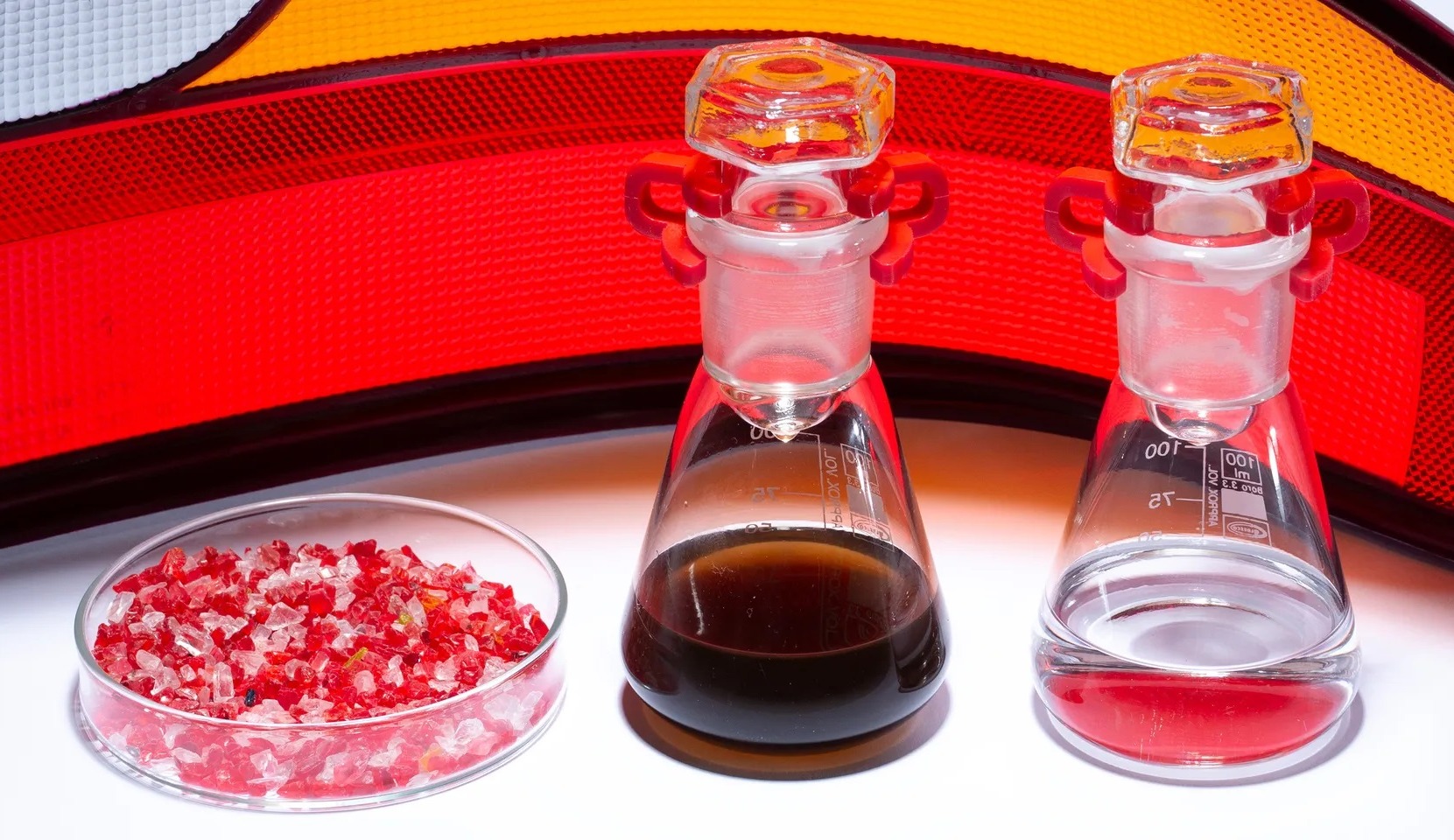
Circular recycling utilizes SK chemicals’ proprietary chemical recycling technology, employing depolymerization to break down waste plastic into molecular units. Depolymerization is a technology capable of producing products of nearly identical quality to those made from petroleum-based materials. SK chemicals was the first in the world to commercialize it successfully.
The recycled materials applied by SK chemicals in the prototype car fall under the fiber category. Fibers face challenges in utilizing waste resources through physical recycling methods due to limitations in spinning, difficulty in achieving desired colors, and insufficient durability for other fiber properties.
SK chemicals and Hyundai·Kia collaborated for 14 months to achieve commercial-grade quality by utilizing circular recycling technology to meet each component's required material properties.
Both companies regard this project as laying the foundation for a new model to establish a circular economy system in the automotive industry. The companies plan to strengthen further collaboration to apply eco-friendly materials to automobiles.