










(Focus) Plastic packaging’s hot trends: Sustainability and functional packaging

In 2025, the plastic packaging industry is set for a pivotal transformation, including the introduction of regulatory frameworks such as the EU's Packaging and Packaging Waste Regulation (PPWR), as well as the rise of new markets that drive new demands for functional packaging.
Plastic packaging for sustainability: Use of recycled plastics
Increasing focus on sustainability has driven plastic packaging to use more recycled materials. Coca-Cola expands its use of 100% rPET bottles from Canada, the Philippines, and Myanmar to Hong Kong (China) and India. ALPLA supplies recyclable wine bottles made from rPET for Austria's Wegenstein winery, weighing only one-ninth of their glass counterparts, significantly reducing carbon emissions in transporting goods.
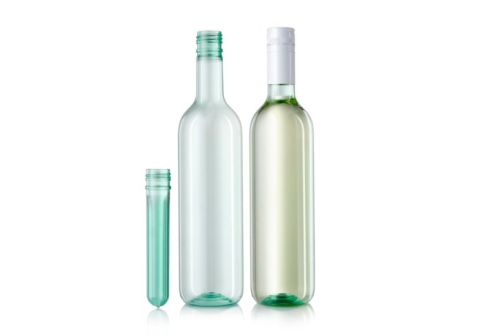
ALPLA’s recyclable wine bottles made from rPET.
Aptar Beauty has introduced the Color Code PCR plastic perfume pump, which contains up to 67% post-consumer recycled (PCR) resin, reducing carbon emissions by 39% and allowing color customization. NEOS Styrolution has successfully completed its first mechanical recycling project for yogurt cups made from PS.
Plastic packaging for sustainability: Use of bio-based materials
Bio-based plastics are gaining traction in packaging across various sectors, including food, beauty, and pharmaceuticals, utilizing raw materials such as waste cooking oil, plants, and carbon dioxide.
Recently, companies like Lamb Weston, Suntory, Viscofan, and Pigeon have launched packaging solutions like chip packaging (bio-based PE), beverage bottles (bio-based PET), sausage casings (bio-based PA), and baby bottle caps (bio-based PP) made from waste cooking oil. These bio-based plastic packages not only meet essential barrier requirements and safety certifications but also achieve a carbon reduction of 60-70%.
Dior plans to incorporate plant-based polyethylene furanoate (PEF) from Avantium in its primary packaging, making it the first cosmetics brand to utilize 100% plant-based materials in packaging.
Additionally, pharmaceutical packaging and medical device manufacturer Bormioli Pharma has partnered with Italian pharmaceutical group Chiesi to supply PET plastic bottles created with carbon capture technology, marking the first implementation of carbon-captured PET bottles in pharmaceutical packaging.
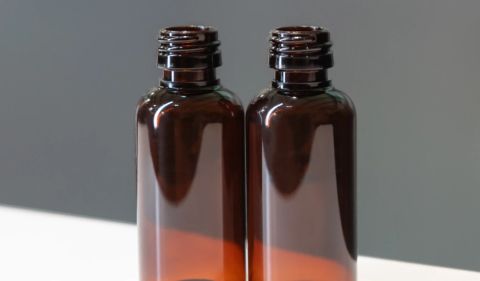
Bormioli Pharma’s PET plastic bottles created with carbon capture technology.
Plastic packaging for sustainability: Use of reusable and refillable packaging
A "reusable and refillable" design can extend the lifespan of plastic packaging and reduce plastic waste. Refillable packaging is beginning to penetrate into broader markets beyond high-end products, with more products likely to adopt refillable features as standard.
Chinese cosmetics brand Proya has upgraded its flagship products with a “vacuum-sealed dual-chamber + refill” design, with each refill reducing plastic usage by over 100 grams. International brands such as Shiseido, Guerlain, and Chanel have also introduced refillable designs in their high-end skincare lines, providing consumers with cost-effective options while minimizing plastic use.
Rise of functional packaging for health supplement products
In recent years, functional packaging is on the rise, demanding for high barrier properties for freshness and quality preservation, as well as personalized elements and interactive designs.
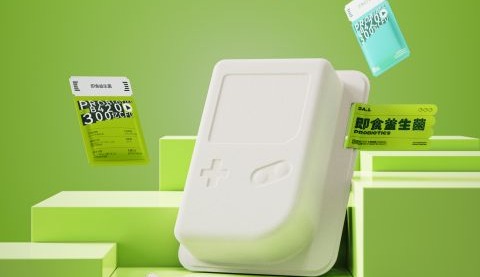
BA.LAB's instant/ready-to-eat probiotics packaging is inspired by the Nintendo GBP handheld gaming console, utilizing a sugarcane pulp molding process to create unique packaging. CheongKwanJang's vitality supplement gift box features a dual-dosage packaging design, allowing consumers to take both liquid and tablet forms simultaneously. Its structural design also facilitates the separation of metal and plastic lids.
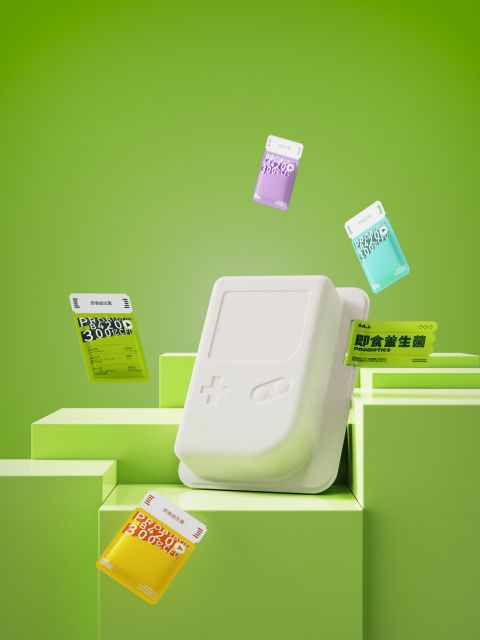
BA.LAB's instant/ready-to-eat probiotics packaging.
Rise of functional packaging for ready-made meals
Market research indicates that the Chinese ready-made meal market continued its rapid growth in 2024, with the market size projected to exceed RMB 560 billion.
Amcor's microwave automatic venting bag employs a four-layer packaging structure and nitrogen-locking technology to preserve the fresh flavor of food. This bag can be heated directly in the microwave and features a stand-up design, truly embodying the concept of “the bag is the bowl”, offering convenience to consumers.
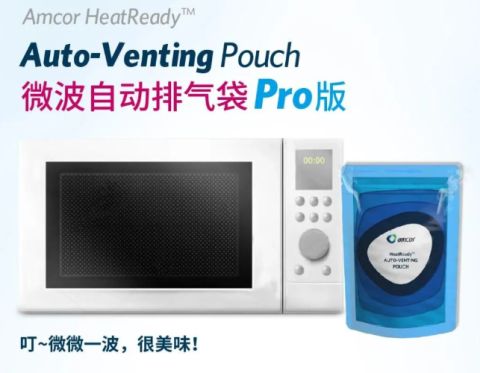
Amcor’s microwave automatic venting bag.
Sealed Air's anti-fog cover film for salads is tailored for retail packaging, including salad boxes and fruit and vegetable trays. This film maintains transparency while providing effective sealed protection.
Chengdu Qinhuan Technology specializes in antimicrobial materials and has developed a new type of inorganic non-metal antibacterial material for ready-made meal packaging. This innovative material effectively inhibits the growth of bacteria and mold, extending the shelf life of food while ensuring safety and non-toxicity.
Rise of functional packaging for pet food
According to Deep Insight Research, global sales of pet food packaging were approximately RMB 50.06 billion in 2023, projected to reach RMB 67.48 billion by 2030, with a CAGR of 4.36% from 2023 to 2030.
Pet food packaging has to employ high barrier materials or nanomaterials with specialized antibacterial technology, along with coatings designed for quality preservation and smart devices for interactive feeding.
Canadian pet food brand Fable utilizes a special plastic material for its dog food packaging, incorporating a smart chip sensor that monitors oxygen and humidity levels inside. This alerts pet owners about the freshness of food through color changes in indicator lights.
Sustainability is also becoming a focus in pet food packaging. Pedigree's dental chew products feature recyclable PE for mono-material packaging, while some Mars Petcare products incorporate up to 60% recycled plastic. The broader application of mono-material designs and recycled plastics will further enhance sustainability in pet food packaging.
More solutions on plastic packaging hot trends at CHINAPLAS
At CHINAPLAS 2025, leading brands will present innovative packaging solutions. By integrating advanced technologies and R&D, smart manufacturing, and cost reduction, the exhibition will help packaging companies explore "new productive forces" and drive the high-quality development and upgrading of the packaging industry.