















Turning e-waste to 3D printing filament in Australia

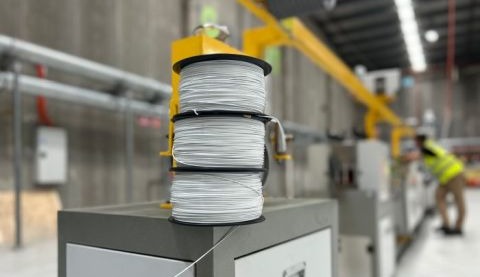
Electronic waste recycler Renew IT has added the MICROfactorie technology to its facility in Lane Cove, Sydney, Australia for upcycling e-waste.
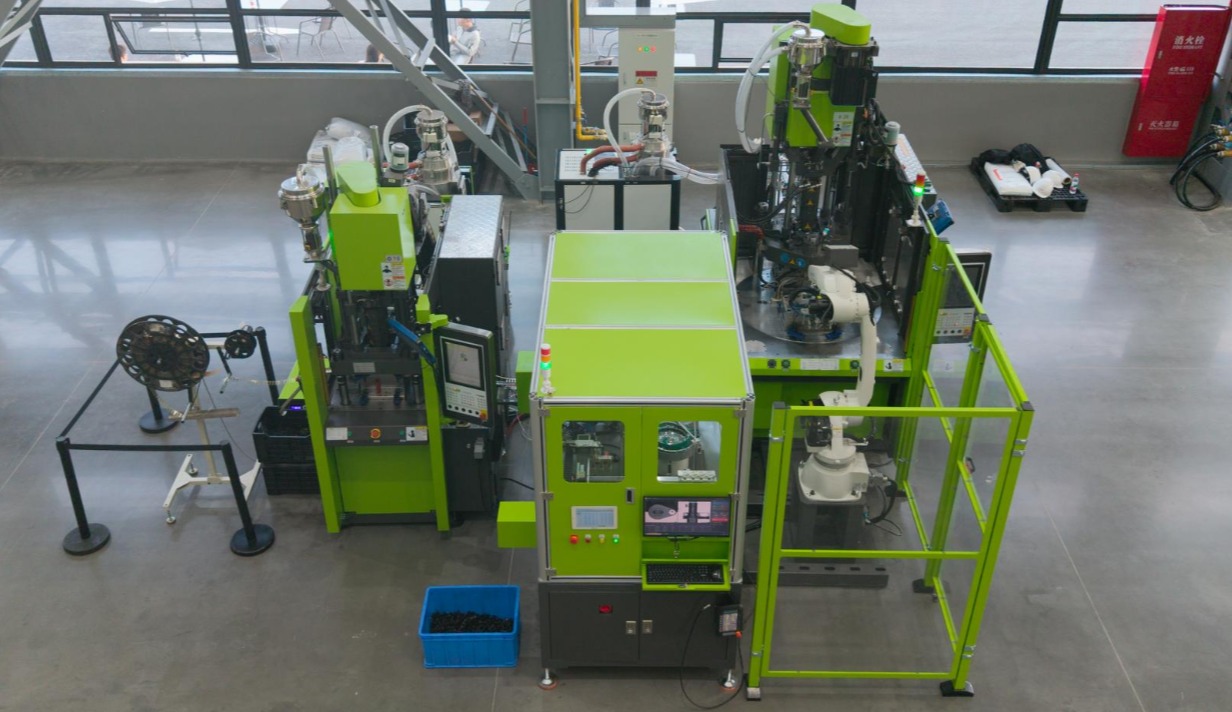
This technology recycles hard plastics from old electronics, such as printers and computers, into valuable filament for 3D manufacturing and printing.
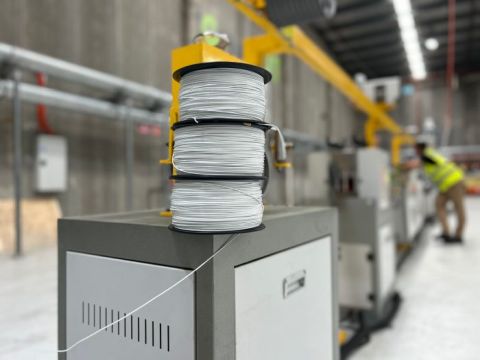
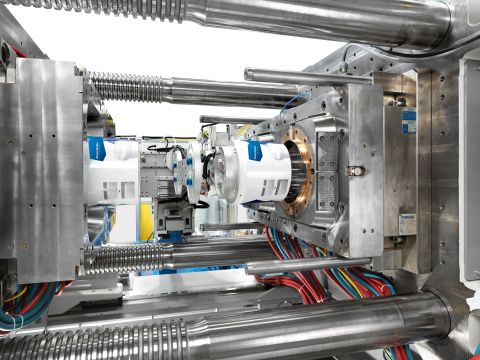
MICROfactorie technology recycles hard plastics from e-waste to produce 3D printing filament. (Source: UNSW)
Developed by and licensed to the University of New South Wales (UNSW) Center for Sustainable Materials Research and Technology (SMaRT) Center, MICROfactorie technology has gone through an extensive testing and commissioning phase.
The Plastics MICROfactorie module at Renew IT is the first commercial operation and use of technology outside of the UNSW SMaRT Center.
“This facility has already demonstrated significant economic, social and environmental benefits, so far keeping 50.4 tons of plastic waste out of landfill and incinerators. The technology is creating a circular economy where materials are used over and over again, maximizing the value of our resources,” said Prof. Attila Brungs, UNSW Sydney Vice Chancellor and President.
Adding value to recycled e-waste
Hard ABS plastics found in many e-waste items do not have a market. They are currently recycled as pellets for remanufacturing, but with very low value.
Renew IT partners with UNSW to develop the 3D printing filament made with recycled e-waste plastic. This adds value to the recycled plastics and reduce the need to produce 3D printing filament with virgin materials or import them from overseas, enabling a more efficient reuse of resources.
“Whereas 3D printer filament sells for a lot more and so this solution is a high value solution delivering real circular economy benefits,” Prof. Veena Sahajwalla, UNSW SMaRT Centre Founder and Director, concluded.