







Lindner: Increasing demand for complete recycling solutions

In an interview with VDMA, Michael Lackner, Managing Director at Lindner, talked about the developments in plastics recycling.
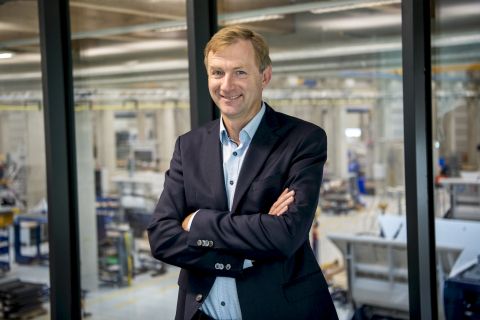
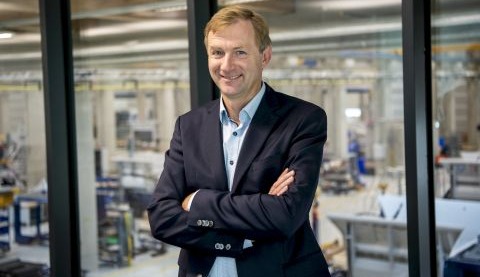
Michael Lackner, Managing Director at Lindner.
Mr. Lackner, what developments are there in plastics recycling?
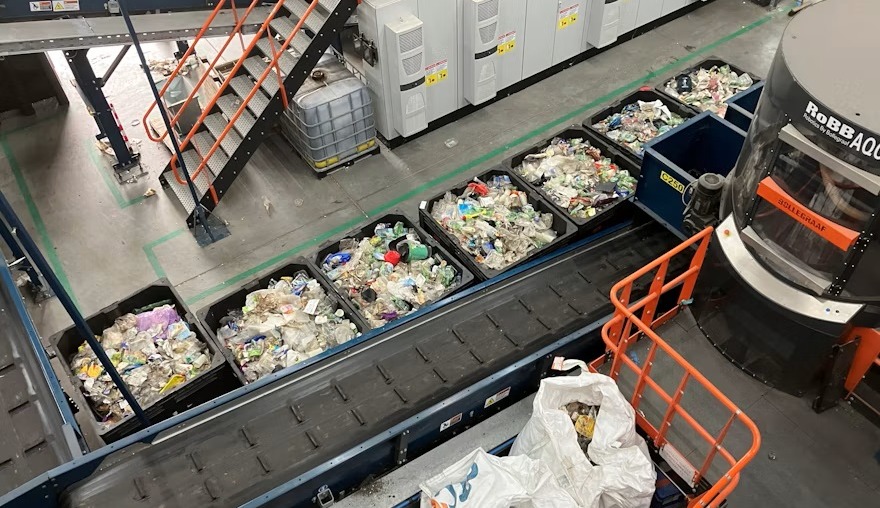
Mr. Lackner: Small recyclers are being taken over and integrated into larger corporate groups. This has a serious impact on our product range and product and system policy. Larger groups are buying fewer single units and are tending towards systems. This means that sorting processes, washing processes and extrusion processes need to be more closely interlinked. The aim is to be able to cover the process from input to finished recycled pellets with a guaranteed throughput and quality. In view of the high energy costs, process optimization and improvements in energy efficiency have also become extremely important.
What role do cooperation play in this regard?
Mr. Lackner: At Lindner, we are very good at representing the front end of the recycling process chain. However, as customers are increasingly seeking complete solutions, we looked for a cooperation partner in extrusion and found the right one in EREMA. Together we can cover everything from the first to last step and provide consistent quality under optimized process conditions. We have founded a joint company for this purpose: BlueOne Solutions, with Lindner and EREMA each owning a 50% share in the company.
How important are standards in recycling?
Mr. Lackner: Standards are becoming increasingly important. Of course, there are legal regulations and standards, but there are also a number of initiatives from various customers. Cosmetic Packaging Toxicology (CosPa Tox), for example, sets standards for high-quality post-consumer recyclates, so that they can be used again in the cosmetics sector. We are now shifting towards much higher-value applications with our technology. Many branded goods manufacturers such as Unilever or Procter & Gamble have defined their own quality requirements, also to ensure the safe use of post-consumer recyclates. In short, it is important that standards continue to be driven forward in order to use recyclates in equivalent or higher quality applications, enabling the realization and guarantee of the required qualities and their guarantee.
So, at the end of the day, recyclates will be equipped with data sheets as if they were new materials, enabling customers to place tailored orders?
Mr. Lackner: That's exactly what it has to come down to, otherwise, we will not be able to achieve the high-quality use of recycled materials; we need this guarantee. Additionally, we need to have the entire process chain under control, otherwise, the question will always arise as to who is responsible if it doesn't work in the end. The guarantee also gives our customers in the recycling industry the certainty that they can also use their complete systems for these demanding business areas.
How important is chemical recycling for Lindner?
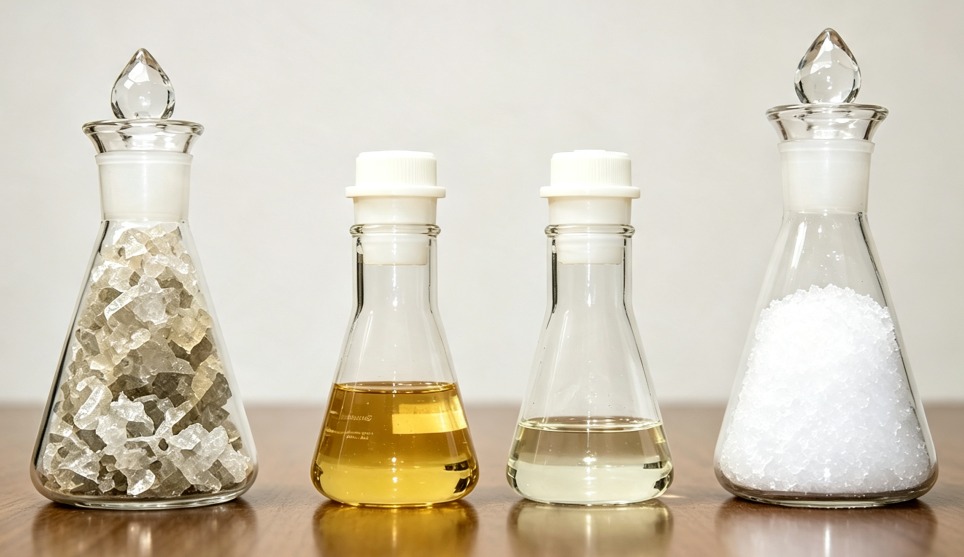
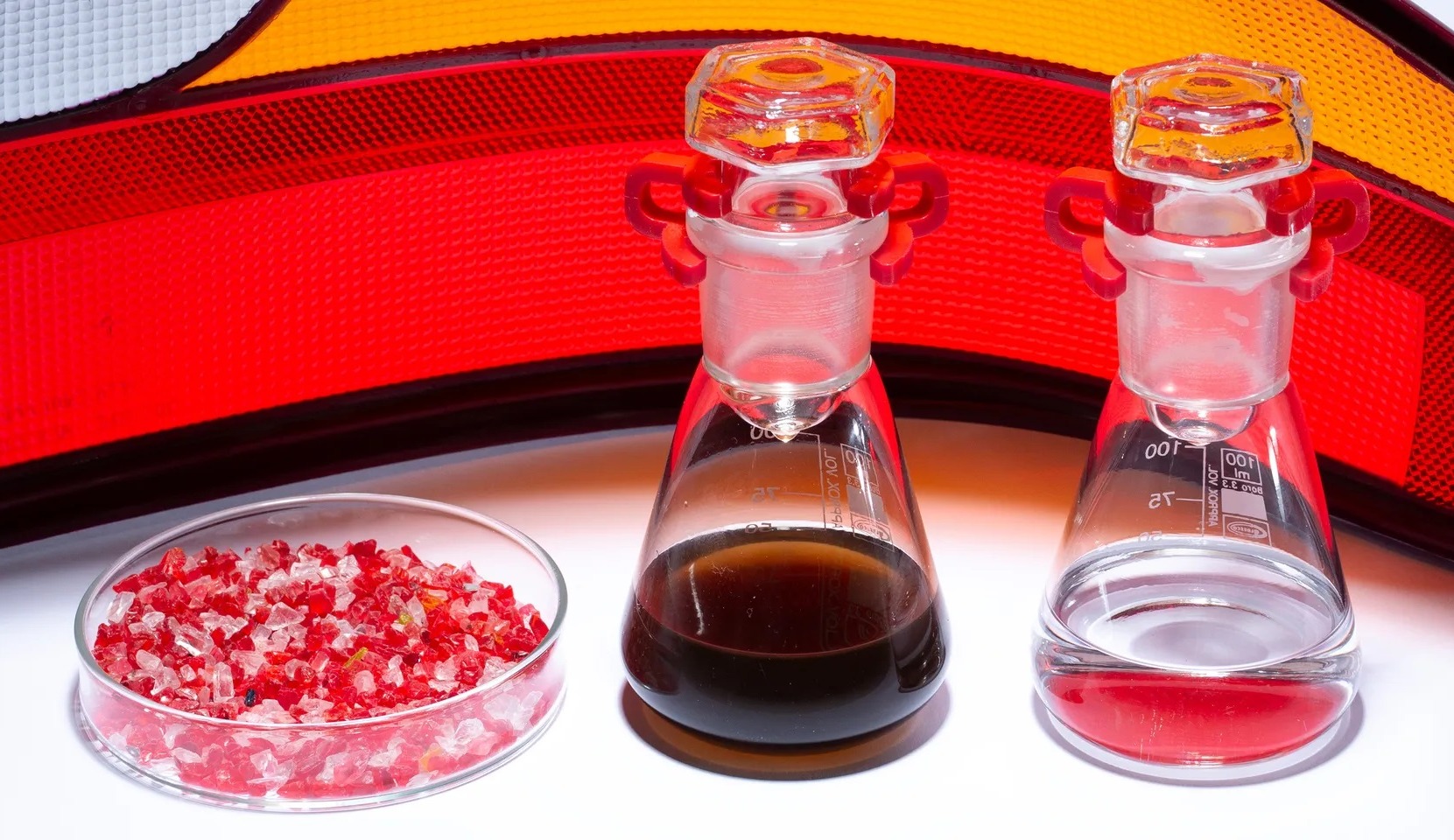
Mr. Lackner: For Lindner, this means that our pre-sorting processes are well suited to preparing the material for chemical recycling. Chemical recycling will usefully complement mechanical recycling. Many material streams that are extracted from waste can be recycled mechanically in a very cost- and energy-efficient manner. However, there are material streams that we are not yet able to recycle mechanically. Chemical recycling processes are the right technology for this purpose – however, I also believe that we are still a long way from reaching the end in terms of quality in mechanical recycling. One of our innovation projects deals with new cleaning processes and the aim of raising the quality to a new level.
What innovations is Lindner planning to show at K?
Mr. Lackner: At K, we will be showing the results of our process optimization as a consequence of our cooperation with EREMA We will present concrete customer benefits there. In the shredding sector, we will be presenting innovations related to energy efficiency, ease of maintenance and material flexibility.