








(Interview) Debut innovation from Nouryon transforms recycled plastic into high-quality materials

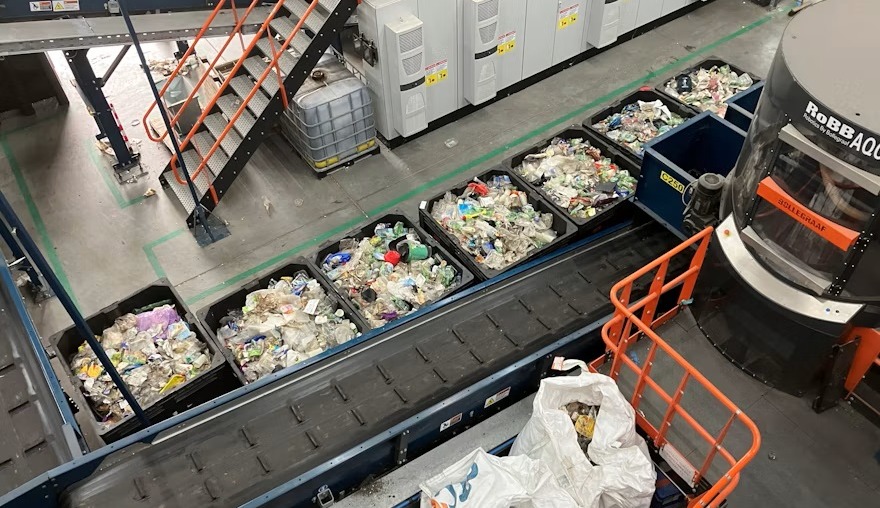
While consumers and legislators push for plastic recycling, hurdles exist in the post-consumer recyclates leaping forward, such as inferior quality of the recycled material as well as the availability and inconsistent mixture of the recyclates.
In particular, after collection, the plastic waste is actually a stream of mixed polymers with varying melt properties, limiting their reuse in different production processes such as thermoforming and injection molding, as these processes require polymers with different melt properties.
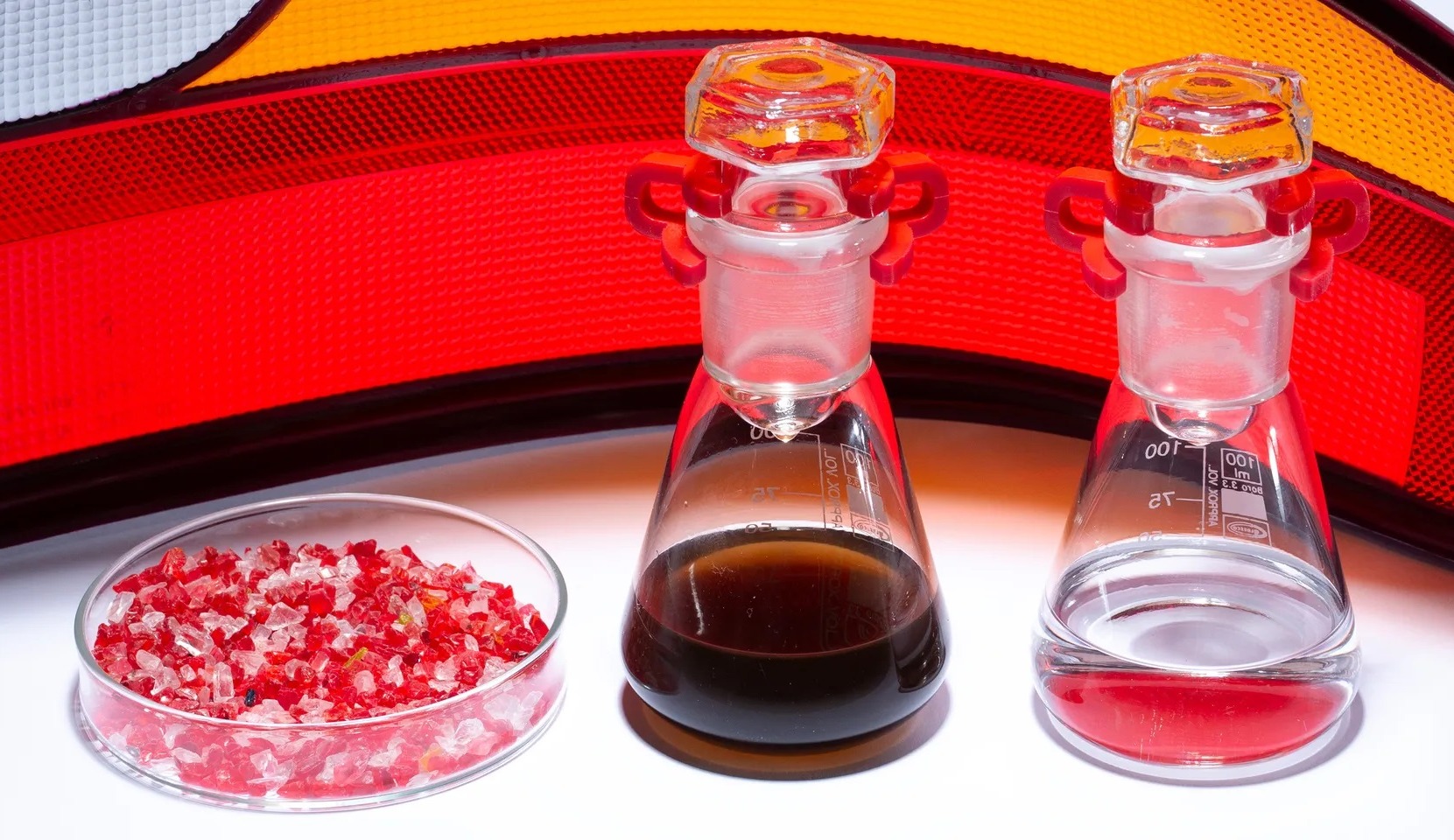
To overcome this hurdle, Nouryon has developed a unique technology to tune the melt properties of recycled plastic, allowing them to match the desired end use requirements, thereby transforming plastic waste into high-quality materials and enabling endless product cycles.
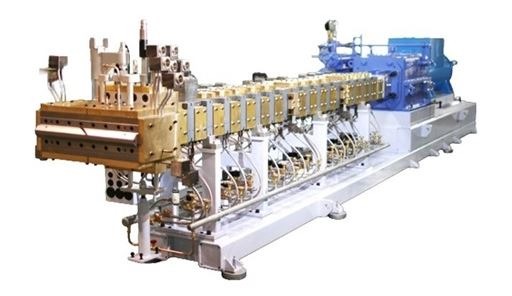
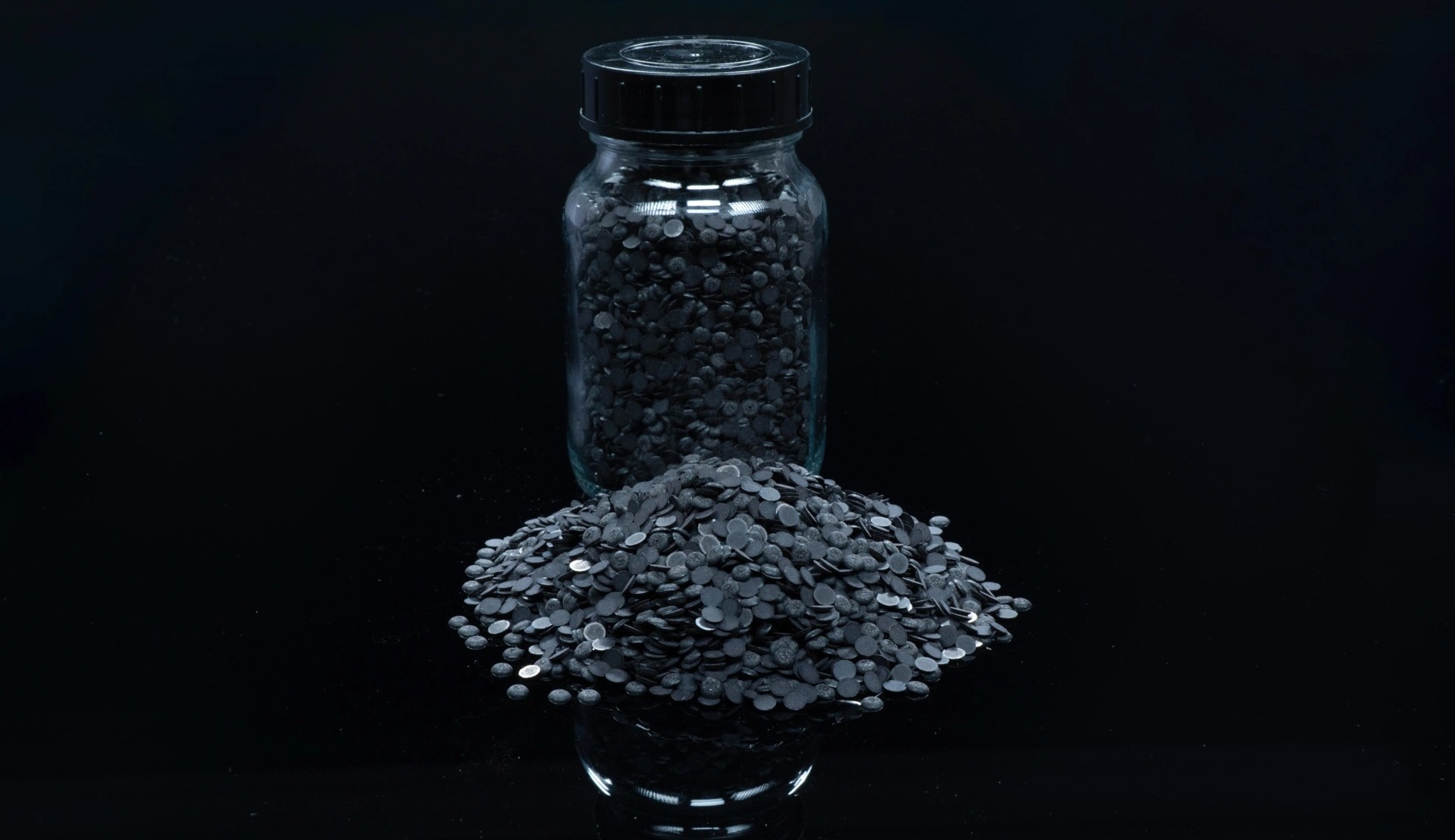
One innovative solution that enhances the properties of recycled plastics using organic peroxides is the Perkadox® PM-60ST-GR, which debuts at CHINAPLAS 2025. It is a polymer modifier for decreasing the melt flow index (MFI) of recycled polypropylene (rPP).
“By using Perkadox® PM-60ST-GR during the extrusion step of recycling, we can rebuild the molecular weight of rPP by adding long chain branches,” explains Alain Rynwalt, Senior Vice President, Performance Materials, Nouryon.
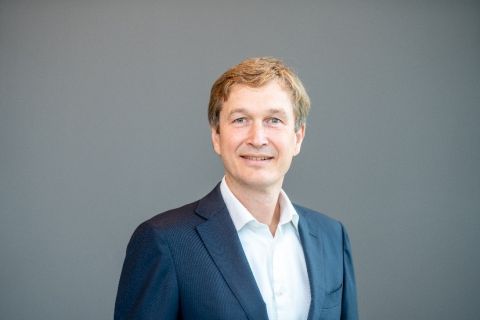
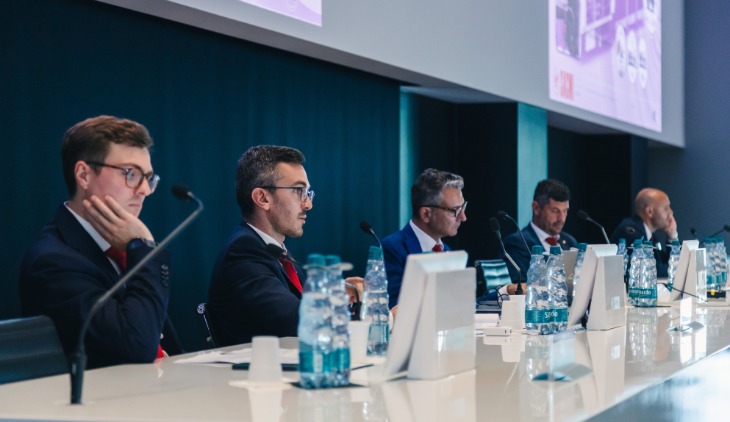
Alain Rynwalt, Senior Vice President, Performance Materials, Nouryon.
This modification decreases the MFI of rPP while significantly increasing its melt strength and melt elasticity. As a result, the enhanced properties make rPP suitable for high-quality applications such as extrusion, foaming, extrusion blow molding and thermoforming.
A leader in organic peroxides, Nouryon is spearheading the polyolefin sector. “Besides traditional polymerization applications, we emphasize the development of recycling and modification applications,” says Rynwalt.
This is evident by the establishment of an independent team for polyolefin recycling and modification applications at Nouryon’s innovation center in the Netherlands two years ago.
Innovations for solar panel and energy cable production
Apart from demands for sustainability and advancements in technology, Rynwalt believes that global economic recovery supported by policy stimuli and strong growth in emerging market, particularly in Asia, are expected to boost the plastics industry.
“We believe that most of the destocking phase has concluded, aligning the demand for our products more closely with actual polymer needs,” says Rynwalt.
In addition, the transition towards sustainable energy sources and mobility solutions will also drive demand for specialized plastics and catalysts.
For instance, the solar industry’s consumption of ethylene vinyl acetate (EVA) and polyolefin elastomers (POEs) will necessitate the development of new catalysts and initiation systems tailored to these applications.
To support energy transition, Nouryon also showcases at this year’s CHINAPLAS a range of products that play a crucial role for the production of solar panels and cables.
Rynwalt points out that energy cables are essential for renewable energy transport and the quality requirements are extremely high to ensure reliable energy supply. “Nouryon supplies a comprehensive range of organic peroxides for the cable industry and meets the specifications of regional and global cable producers and energy network providers,” he says.
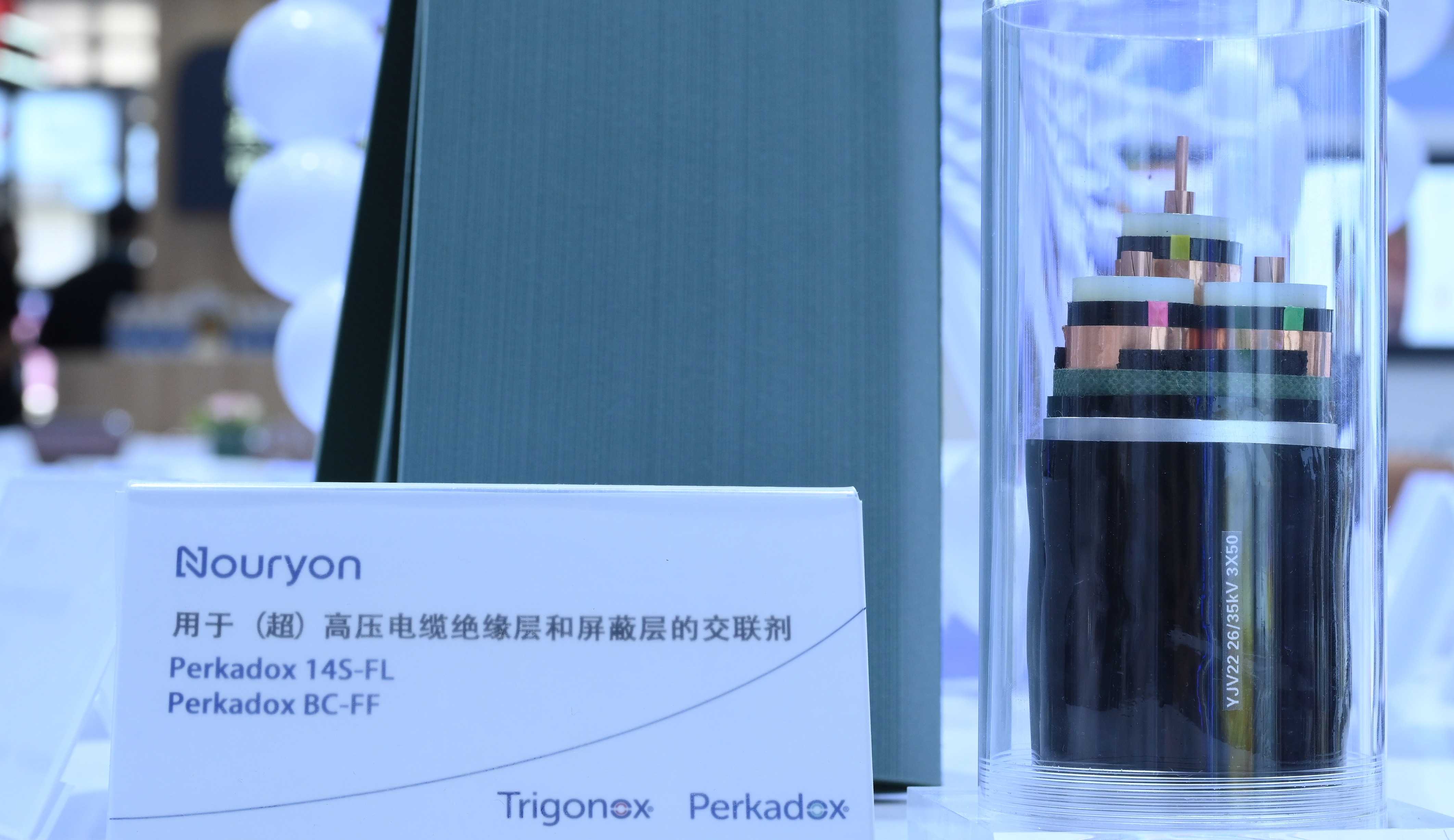
For instance, high-power cables, capable of exporting up to 600kV, rely on products such as Perkadox® BC-FF and Trigonox® T organic peroxide, both of which are displayed at the trade fair.
Similarly, high-quality crosslinking peroxides from Nouryon are also used in solar panel production. Products like Trigonox® 117-Solar and Trigonox® 131-Solar, which are also showcased, are fully accepted and approved by the industry.
Also suitable for the fast-growing solar industry, Trigonox® 423 is an organic peroxide used to lower the polymerization temperature of ethylene vinyl acetate (EVA). This innovation enhances production output and minimizes the risk of thermal degradation, not only ensures the integrity and quality of EVA, but also achieves cost savings through reduced energy consumption.
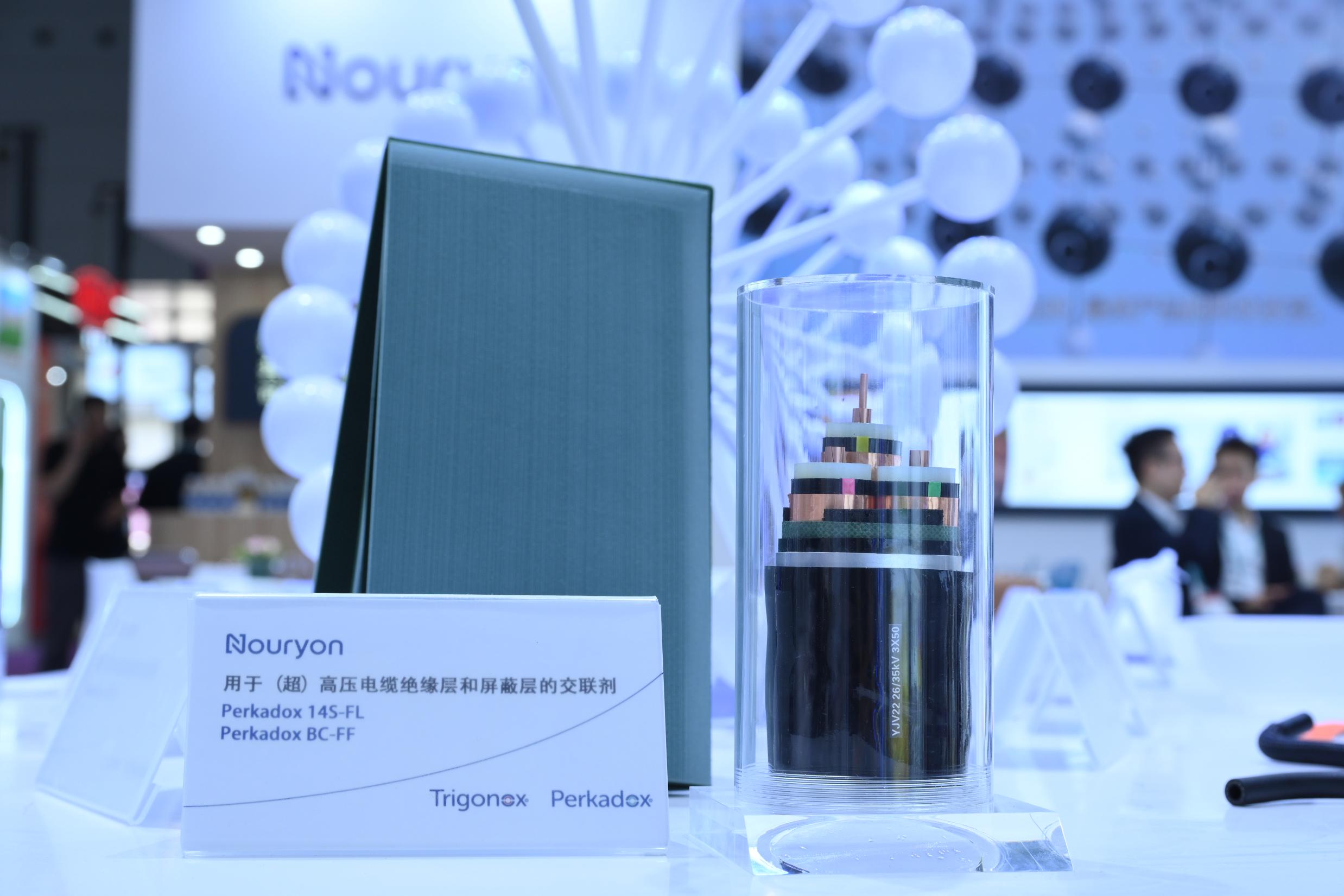
Nouryon's Perkadox® BC-FF organic peroxide is designed for (ultra) high-voltage cable applications.
Furthermore, by enabling lower polymerization temperatures, Trigonox® 423 not only enhances EVA quality and reduces energy consumption but also prevents the formation of unwanted by-products, making it superior to traditional initiators.
“This advancement supports the energy transition by improving the efficiency and sustainability of EVA production, which is crucial for the growing demand in photovoltaics solar module manufacturing,” Rynwalt adds.
We believe that most of the destocking phase has concluded, aligning the demand for our products more closely with actual polymer needs.
Booth:15G39