











BASF and Hyundai-Kia unveil sustainable EV3 Study Car featuring advanced eco-friendly materials

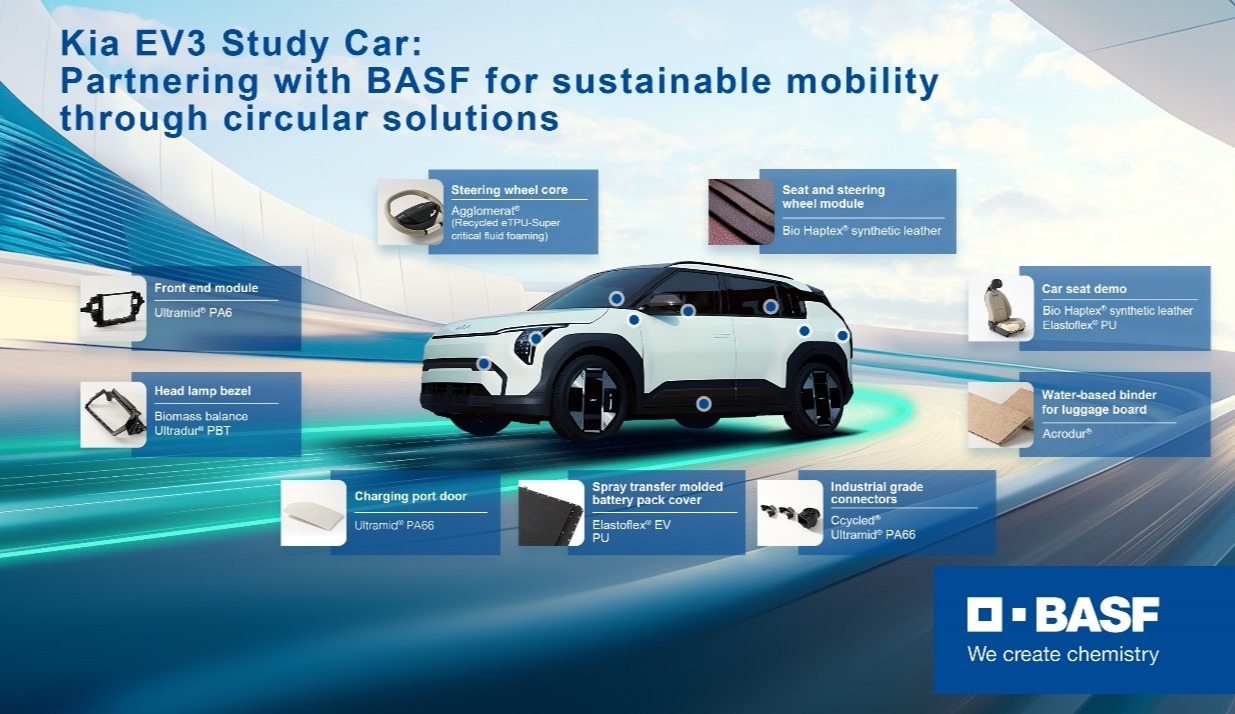
Hyundai-Kia and BASF have once again joined forces to introduce the Kia EV3 Study Car, marking their third collaborative concept vehicle. The project demonstrates how advanced materials can reduce a vehicle's carbon footprint while maintaining high performance standards.
This experimental model was developed in partnership with Hyundai-Kia's Materials Research & Engineering Center and showcases BASF's innovative sustainable material solutions designed to enhance vehicle performance, design, and environmental sustainability.
The EV3 Study Car incorporates eight different sustainable material solutions from BASF. These include Ccycled® & Biomass Balance (BMB) Engineering Plastics (Ultramid® and Ultradur®), Bio-based, Ccycled® Polyurethanes (Elastoflex®), Polyisocyanurate (PIR) Infinergy® (E-TPU) in Super Critical Foaming (SCF), Bio PU synthetic leather (Haptex®), and water-based binder (Acrodur®). Together, these material innovations contribute significantly to reducing the vehicle's overall carbon emissions throughout its lifecycle.
This project builds on previous successful collaborations between the two companies. In 2016, they introduced the RN30 Concept Car, which utilized BASF materials to achieve exceptional lightweight properties and durability for high-performance applications. Earlier, in 2010, the i-flow Concept Car demonstrated how innovative plastics and coatings could contribute to more sustainable vehicle designs. The Kia EV3 Study Car represents the latest step in this ongoing partnership.
Andy Postlethwaite, Senior Vice President of Performance Materials Asia Pacific at BASF, expressed enthusiasm about the ongoing collaboration. "We are delighted for the opportunity to work with Hyundai-Kia Group again for what is now our 3rd concept car," he said. "This project exemplifies BASF’s ongoing efforts to support the automotive industry’s transition to more sustainable practices and to provide innovative solutions that meet the evolving needs of consumers and manufacturers alike."
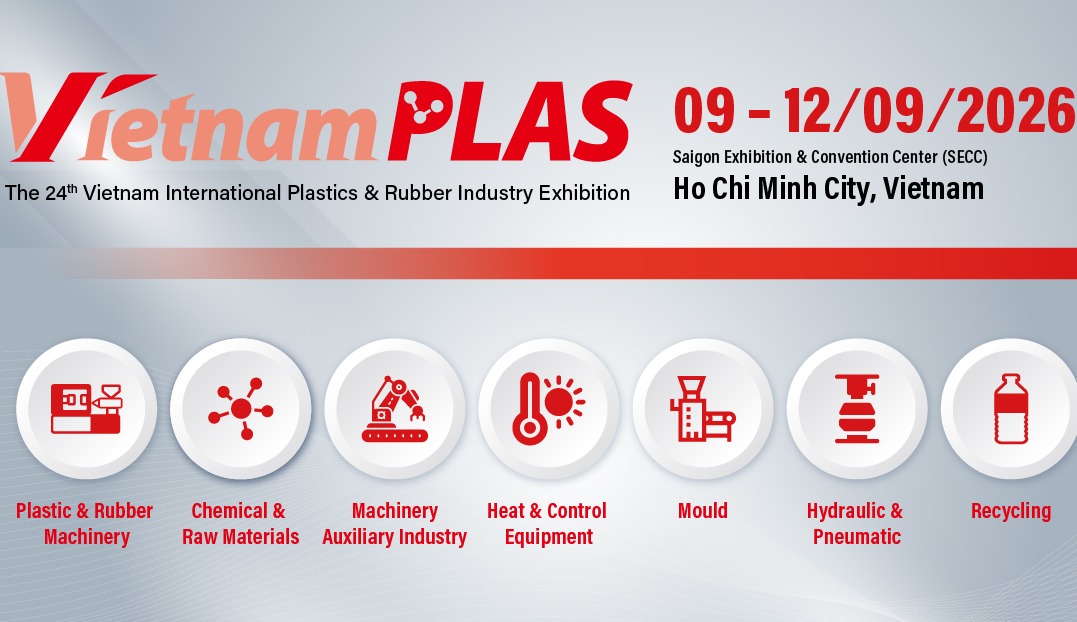
The vehicle will make its public debut at the Seoul Mobility Show running from April 3 to 13. Following this, the sustainable material technologies featured in the car will be highlighted at two major industry events in 2025: PU TECH (9-11 April) and CHINAPLAS (15-18 April).
The vehicle's development highlights the growing importance of material innovation in achieving sustainability goals within the automotive sector. By incorporating recycled content, bio-based materials, and other eco-friendly solutions, the partners demonstrate practical approaches to reducing the environmental impact of vehicle manufacturing while maintaining the high standards expected by consumers.