













Covestro launches recycled polycarbonates from end-of-life headlamps to boost automotive circularity

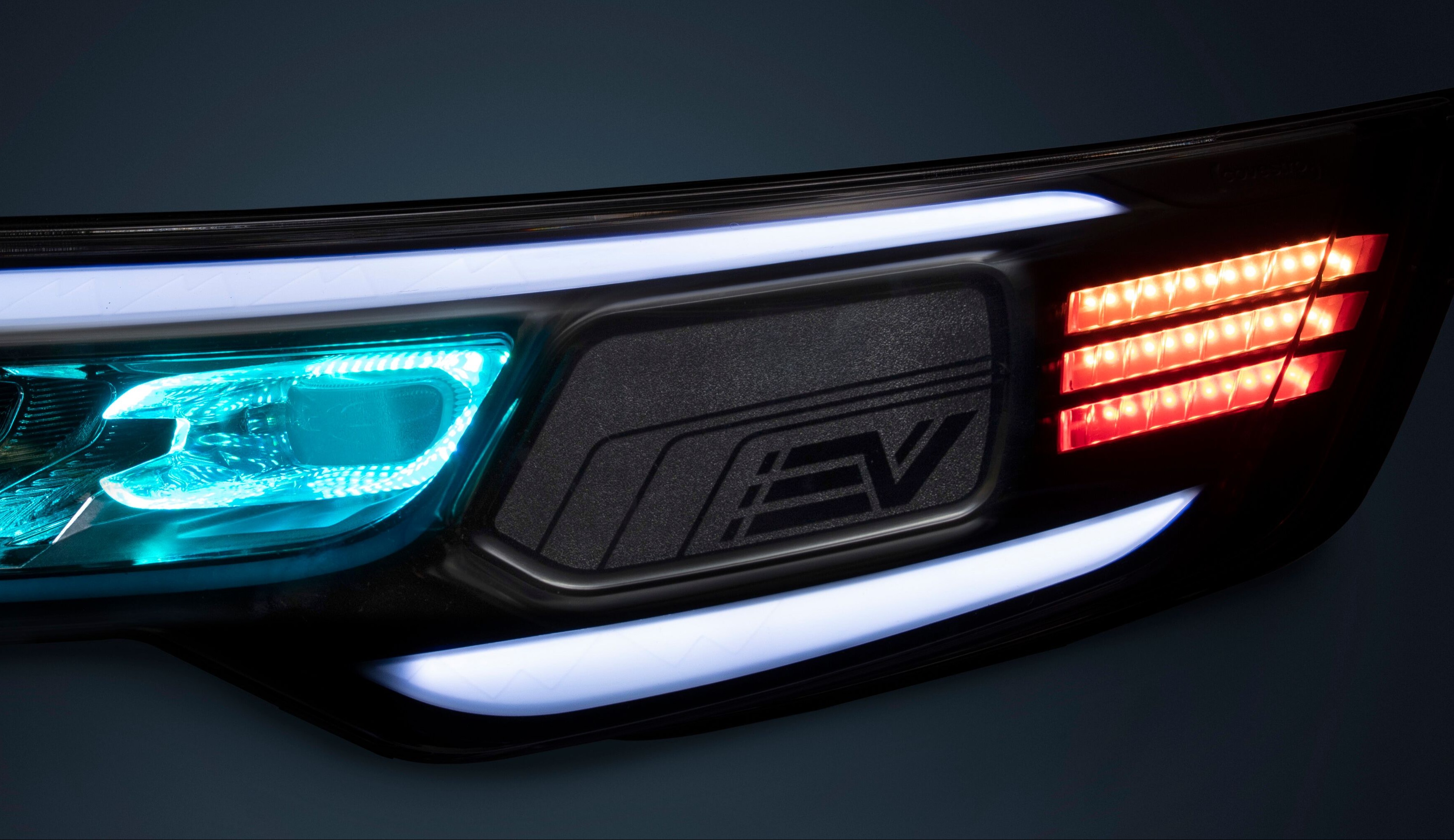
Covestro is advancing automotive circularity with a new line of post-consumer recycled (PCR) polycarbonates derived from end-of-life headlamps. These TÜV Rheinland-certified materials, containing 50 percent recycled content, are now commercially available and currently being validated by Volkswagen and NIO for potential use in future vehicle designs.
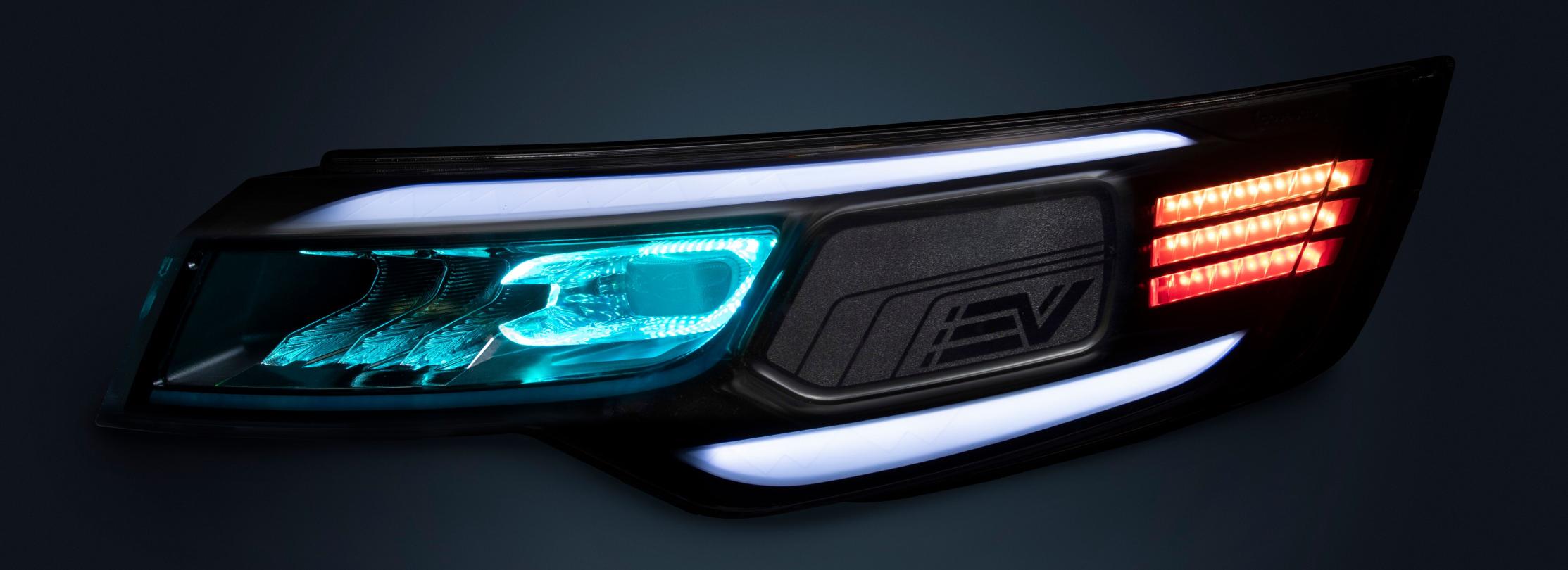
Developed through a collaborative program initiated by Germany’s GIZ (Deutsche Gesellschaft für Internationale Zusammenarbeit), this innovation marks a significant step in closing the loop for automotive plastics.
The initiative involves partnerships with Chinese recycler Ausell and leading automakers to establish closed-loop recycling processes for high-value plastics from end-of-life vehicles (ELVs). The program focuses on improving recycling methods and building reliable supply chains for recycled automotive plastics.
Martin Hansen, Regional Director of GIZ in East Asia, highlighted the role of cross-sector collaboration in driving circular economy solutions. By uniting industry stakeholders, the partnership not only creates viable recycling pathways but also fosters innovation for sustainable material flows in the automotive sector.
The launch of these PCR grades comes as the automotive industry faces mounting environmental and regulatory pressures. Policies such as the EU’s End-of-Life Vehicle Directive, China’s Extended Producer Responsibility (EPR) program, and global sustainability demands are pushing manufacturers to adopt more sustainable material solutions.
Covestro’s PCR polycarbonates meet stringent performance standards, offering excellent surface quality and compliance with Vehicle Interior Air Quality (VIAQ) requirements, enabling automakers to balance sustainability with high performance.
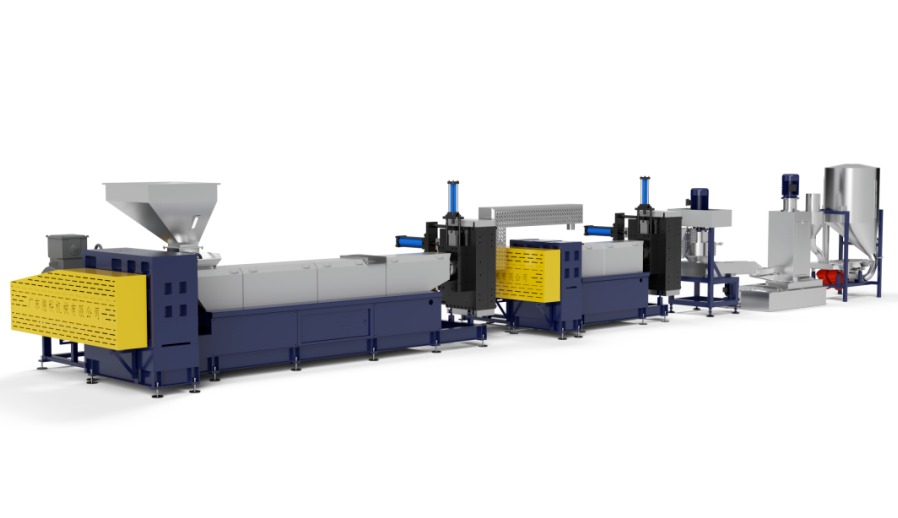
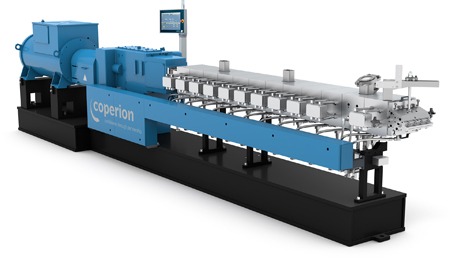
As part of its sustainability efforts, Covestro has been expanding its recycled-content portfolio, including PCR polycarbonates with up to 90 percent recycled content. The company recently launched a dedicated mechanical recycling compounding line in Shanghai and introduced chemically recycled polycarbonates using post-consumer waste via mass balance, further reinforcing its commitment to circular economy solutions.
Lily Wang, Global Head of Covestro’s Engineering Plastics Business Entity, emphasized the importance of this development, stating that it supports the automotive industry’s shift toward a circular economy by providing high-quality PCR materials that help meet stricter regulatory requirements.