







A new era in PET design? SACMI investigates the potential of PET caps

Is it possible to produce a PET cap for beverage packaging at the current state of technological development? Should it replace HDPE (polyolefins), and under what conditions? Do the performance and functional characteristics align? But above all... Could this represent a genuine advantage in terms of total cost of ownership (TCO) and environmental sustainability?
SACMI addressed all these questions during its presentation on 20 May at the AMI – Plastic Closures Innovations conference in Malaga, Spain, with a speech entitled "A new era in PET design? SACMI's perspective on PET beverage caps".
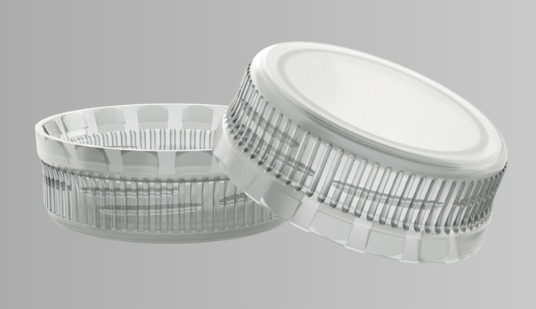
The new 29 mm PET cap for water
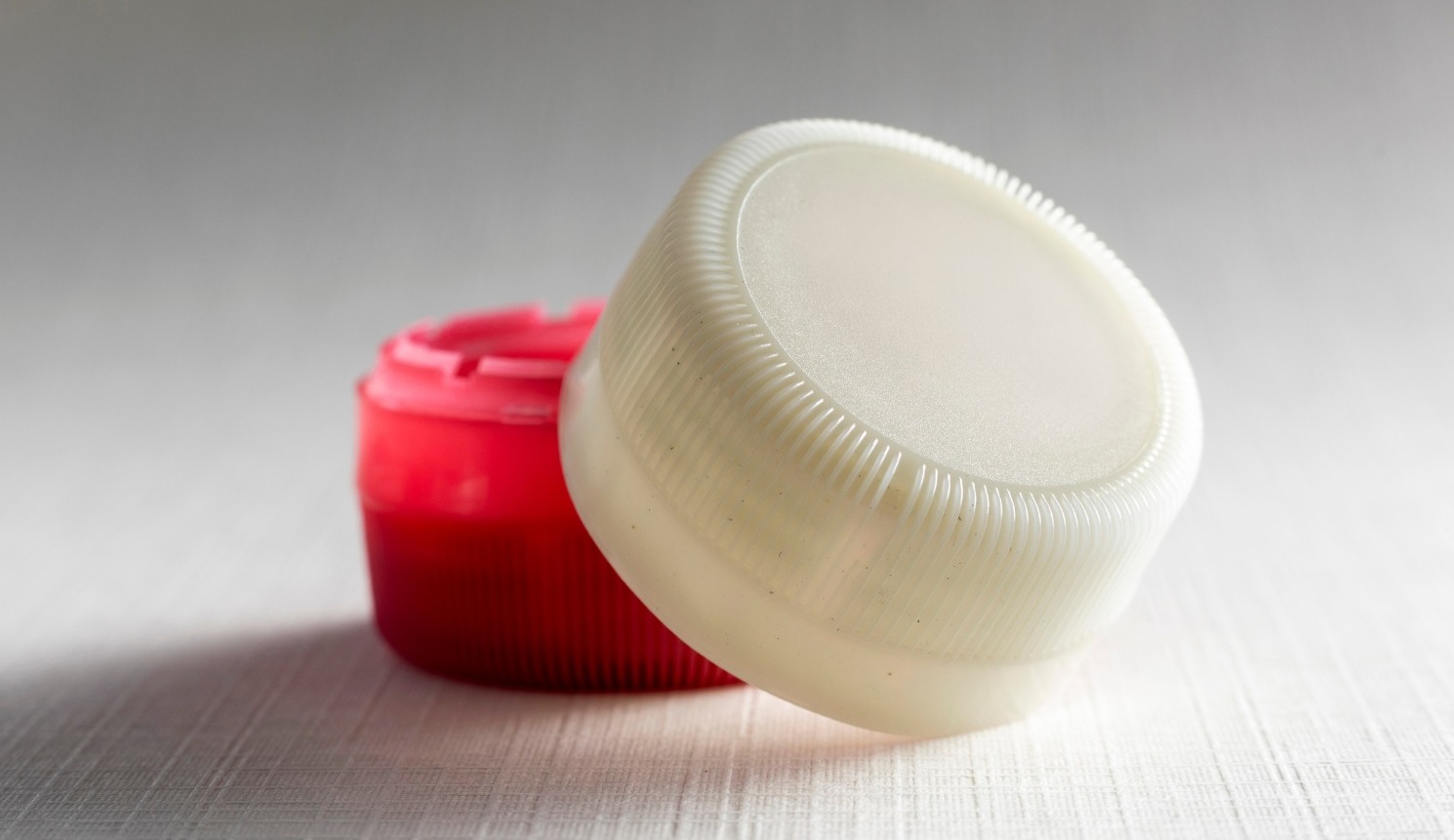
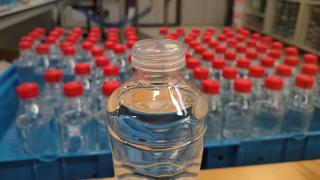
SACMI unveiled a 29 mm PET water cap to the audience in Malaga. This standard was not selected at random — it's the most commonly used opening worldwide for this category of beverage.
The cap features segmented, hinged flaps at the base of the band for easier application; a segmented thread for simpler moulding and opening, reducing removal torque; and an olive plug to ensure a proper seal.
Produced on a CCM press with a cycle time of 2.7 seconds, the cap is fully transparent and performs comparably to an HDPE cap at room temperature. The subsequent processing stages, such as cutting and folding, also show good stability and repeatability at the experimental level.
PET cap and HDPE cap: advantages and disadvantages
The cap is a key component of the packaging, forming the first point of contact between the consumer and the product. The cap is responsible for the sealing and, consequently, the safety and freshness of the contents.
In terms of chemical and physical properties, polyolefins have proven particularly well-suited to this type of application. All beverage caps are currently made from polyolefins — primarily HDPE — which is highly efficient from both an economic and environmental perspective. In fact, over the past two decades, the main drivers have been reducing virgin resin consumption (with a reduction of more than 50% in total weight between cap and relative opening) and energy use. More recently, the cap2cap recycling chain has begun to emerge on some markets.
From a recycling standpoint, separating HDPE (used for caps) from PET (used for bottles) is relatively straightforward and cost-effective: by grinding the materials, HDPE floats away from PET, enabling the recovery and reuse of both materials.
In terms of production, it should be noted that PET may require a cycle time over 70% longer than HDPE, and — under the same conditions — the cap may be heavier than its polyolefin counterpart.
So, why switch to PET? This would create mono-material packaging, thereby increasing the PET yield during the recycling process. In addition, PET caps are transparent, offering a more aesthetically pleasing appearance.
Performance, technological and process challenges
SACMI’s project centres on the chemical and physical properties of PET, cap performance, and the economic and environmental impact of the same.
Compared to HDPE, PET presents some significant challenges: chief among them are its amorphous structure and hygroscopic nature, which together cause the material to deform under stress (despite PET’s theoretically superior mechanical properties).
A detailed comparison of the two materials helps define the "process window", highlight relative differences, and assess cost implications.
PET has a density approximately 40% higher than HDPE;
The processing temperature for PET exceeds 270 °C, significantly greater than that of HDPE (<200 °C);
PET crystallises much more slowly than HDPE, and its glass transition temperature is very close to the cap’s operating temperature.
Impact on TCO and life cycle assessment
The higher melting point of PET compared to HDPE inevitably demands more energy to melt and subsequently cool the material to a demoulding temperature.
PET cap production requires a cycle time up to 70% longer than that of HDPE caps (due to higher processing temperatures, slower crystallisation, and lower thermal diffusivity), and it also requires dedicated moulds because of differing material properties (such as shrinkage and elastic modulus).
Performance is similar to that of HDPE caps, with two important considerations:
PET is highly sensitive to elevated temperatures, which must be factored into the logistics and storage of the finished product;
For equivalent performance, a PET cap weighs around 20% more than an HDPE cap — its theoretical strength is offset by high moisture absorption, which, according to tests, can reduce its mechanical properties by up to 60%. Efforts to reduce wall thickness (e.g. approximately 0.4 mm in HDPE caps) face technological constraints during moulding, such as mechanical tolerances, stress-induced crystallisation, etc.
Sacmi's approach included a highly detailed LCA analysis, carried out by an independent laboratory. The results of the analysis, covering 19 parameters (including climate change, resource use, water, soil, etc.) in accordance with the international standards, underscored the importance of conducting such evaluations before launching the project to confirm tangible environmental benefits.
The regulatory context must also be considered. On the one hand, the European PPWR (Packaging and Packaging Waste Regulation) promotes the adoption of mono-material, returnable, and similar packaging solutions, supporting this development in principle. On the other hand, it pushes for an overall reduction in packaging weight, a target not yet attainable with the PET alternative.
The SACMI approach
The design and development of the new PET cap comply with the international standards regarding cap performance requirements. In addition, SACMI’s process avoids the use of additives and dyes that could interfere with subsequent recycling: the PET used is standard PET or rPET suitable for bottles.
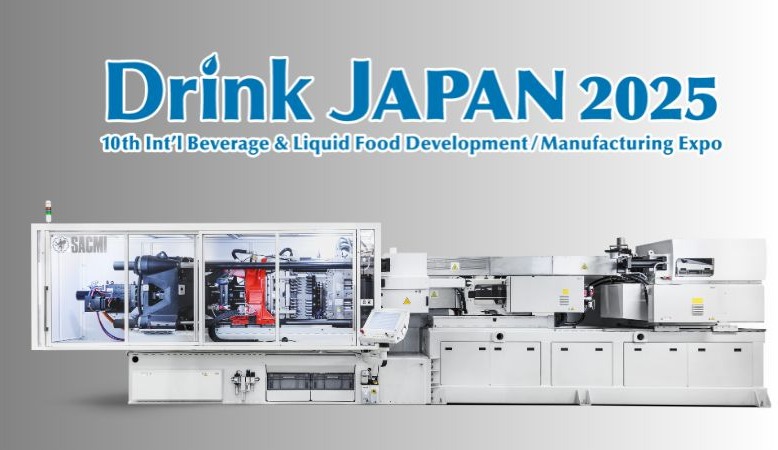
With regard to cap production and application technologies, SACMI deliberately avoided introducing special capping equipment, testing the production on its own CCM (continuous compression moulding) presses. In-line cutting and folding were also adopted, along with integrated quality control.
The entire process was tested on a pilot line consisting of a humidification unit, extruder, adapted compression moulding unit, cutting and folding line, and quality control using CVS systems.
Technology: the support of the SACMI Lab
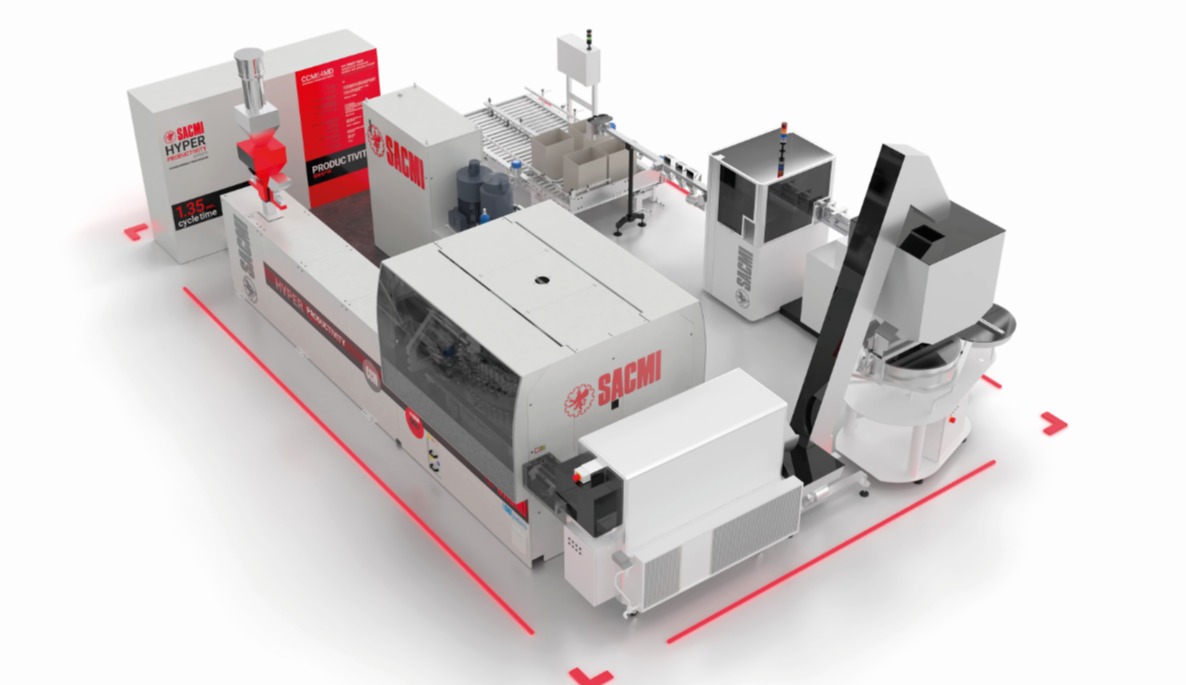
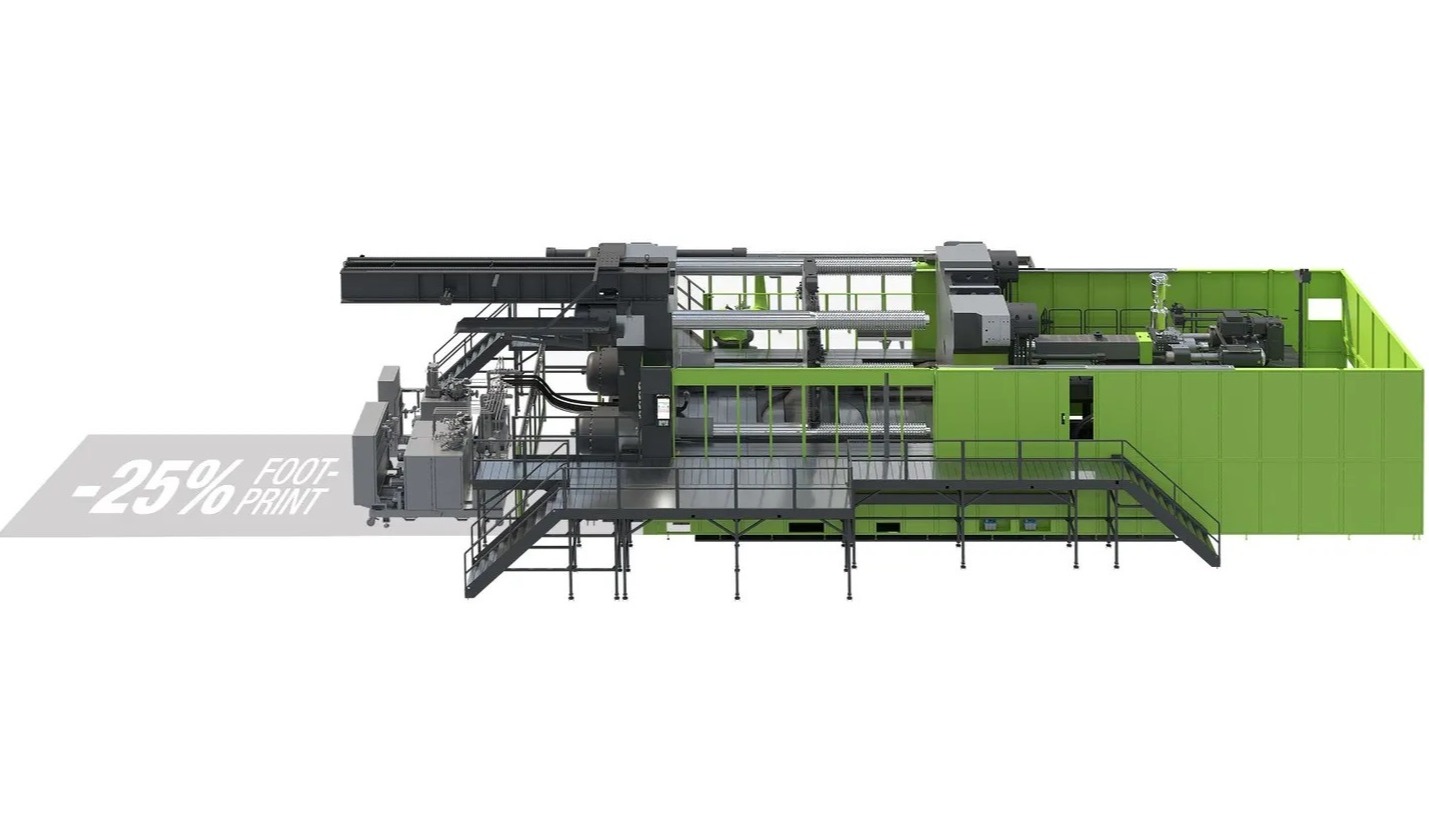
Reduced cycle times and high cavitation are key market demands that SACMI has addressed with the recent launch of the new CCM64MD press. Boasting outstanding performance, the machine can produce up to 2,850 caps per minute (171,000 caps per hour) in HDPE, using just 64 moulds and a cycle time of only 1.35 seconds. This is achieved alongside a 50% reduction in footprint and a 15% reduction in specific energy consumption compared to the previous generation, at 0.43 kWh per kilogram of HDPE processed.
In this context, any potential shift from HDPE to PET would require consideration of several factors: comparable performance (especially regarding storage temperatures, transportation, etc.), higher TCO, LCA assessments tailored to specific environmental and production scenarios, etc. The SACMI Laboratory is available to support customers in developing customised early adoption solutions.