












AIMPLAS improves recycling of multilayer plastic materials

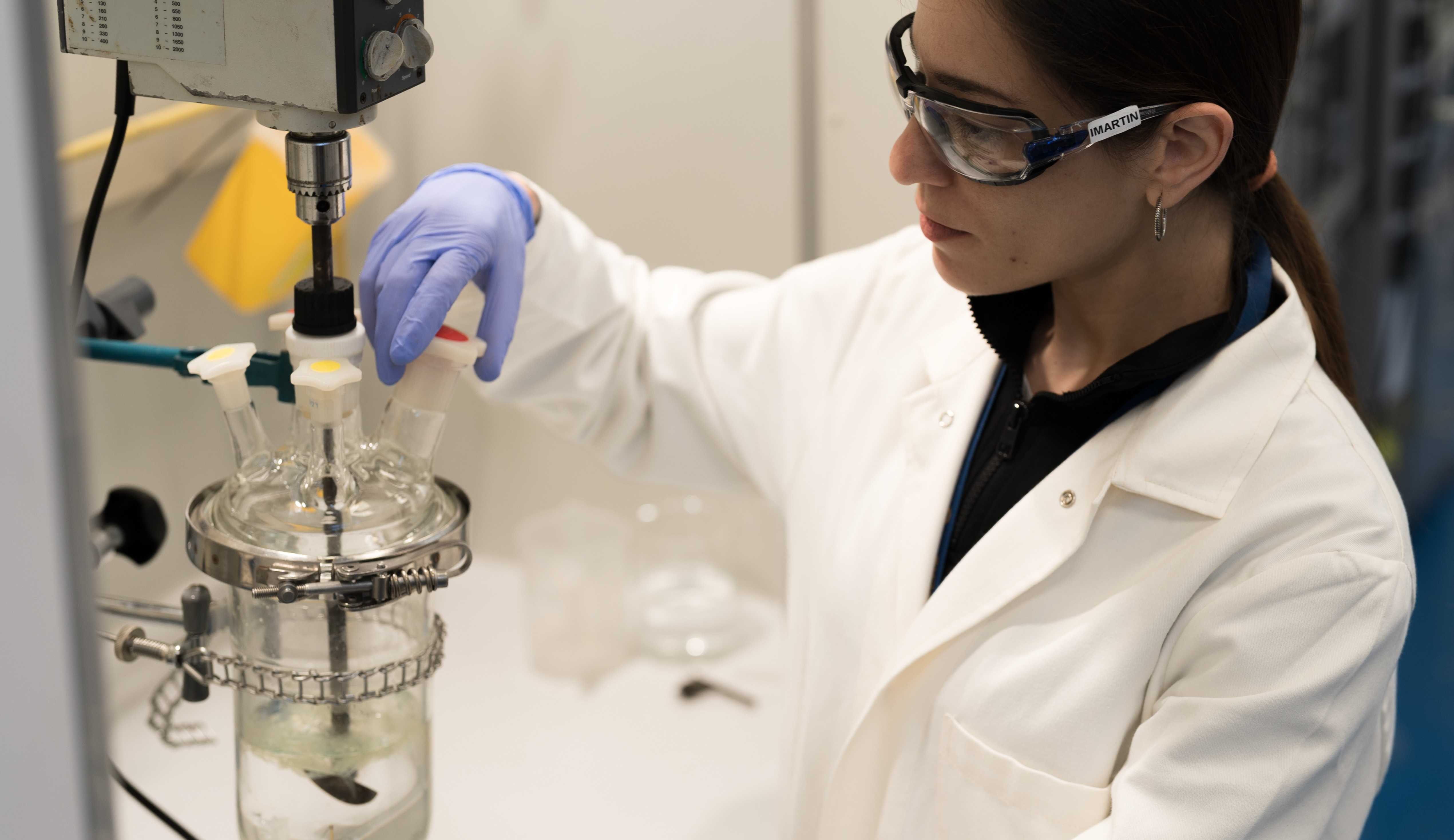
AIMPLAS uses innovative technologies such as physicochemical delamination, a combination of mechanical separation techniques, and enzymatic recycling to addressing the challenges of recycling multilayer plastic materials.
These approaches have enabled the efficient and sustainable recycling of multilayer waste, allowing it to be reintroduced into the value chain or used to produce new recycled plastic products.
This work has been carried out within the framework of the RECIPLUS research project, funded by the Valencian Institute for Competitiveness and Innovation (IVACE+i) through ERDF funds.
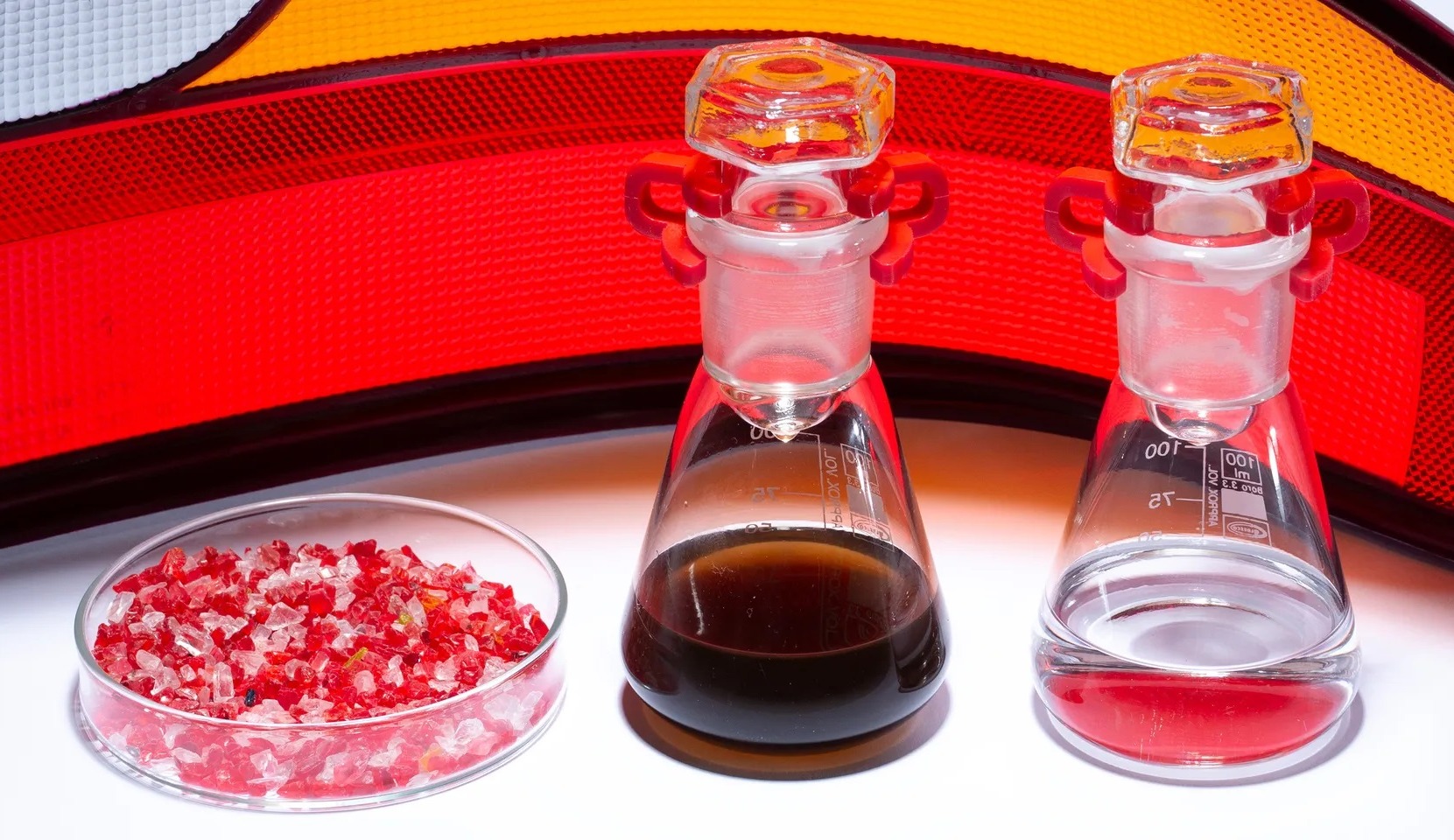
Mireia Fernández, lead researcher in Chemical Recycling at AIMPLAS, explained that to separate and purify the different components of the multilayer structure, the research team used chemical solvents under supercritical fluid pressure and temperature conditions, which can reduce processing time and solvent usage. The environmental impact is lower and the separated components have higher purity.
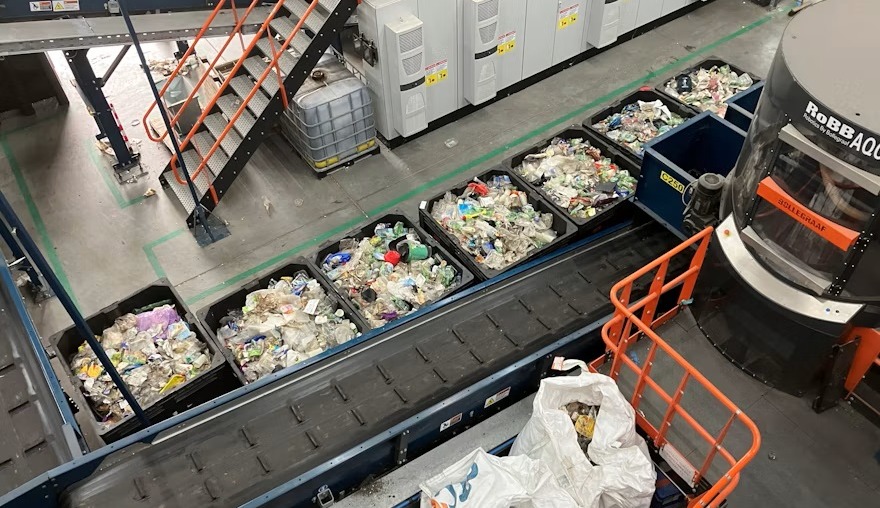
As part of this research, AIMPLAS also optimized existing separation technologies to increase efficiency based on the material mix obtained after delamination. This included various methods such as NIR (near-infrared) separation, air-flow density separation, and triboelectric separation.
Enzymatic recycling to promote self-biodegradation
In addition to physicochemical delamination, AIMPLAS has also addressed multilayer waste recycling through enzymatic delamination, which involves incorporating enzymes into the plastic material to enable its self-biodegradation. Furthermore, the enzymes have been enhanced through molecular biology to improve their performance.
ACTECO, a company specialized in comprehensive waste management, recovery, and valorization, and CEBIMAT LAB, a spin-off from the Jaume I University in Spain, dedicated to studying material biodegradation, have collaborated on this research.
The RECIPLUS project is part of the 2024 call for R&D projects in collaboration with companies, aimed at technology centers in the Valencian Community, funded by IVACE+i and the ERDF.