


















Growth trajectory of Indian Plastics Market

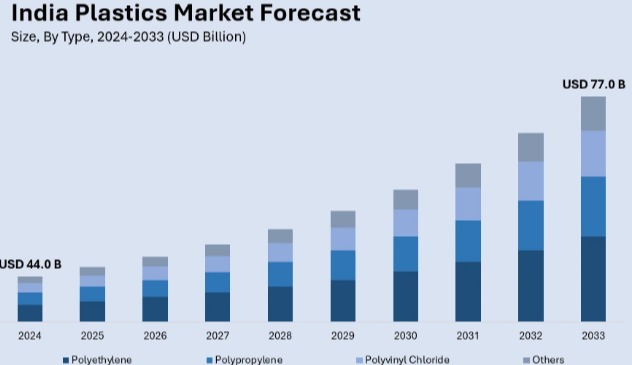
The Indian plastics market is experiencing remarkable growth, driven by rising demand across various sectors, robust government policy initiatives, and an increasing focus on sustainability. According to the latest analysis by IMARC Group, the market reached a size of US$44 billion in 2024 and is projected to grow at a compound annual growth rate (CAGR) of 6.4%, reaching US$77 billion by 2033.
Key growth engines
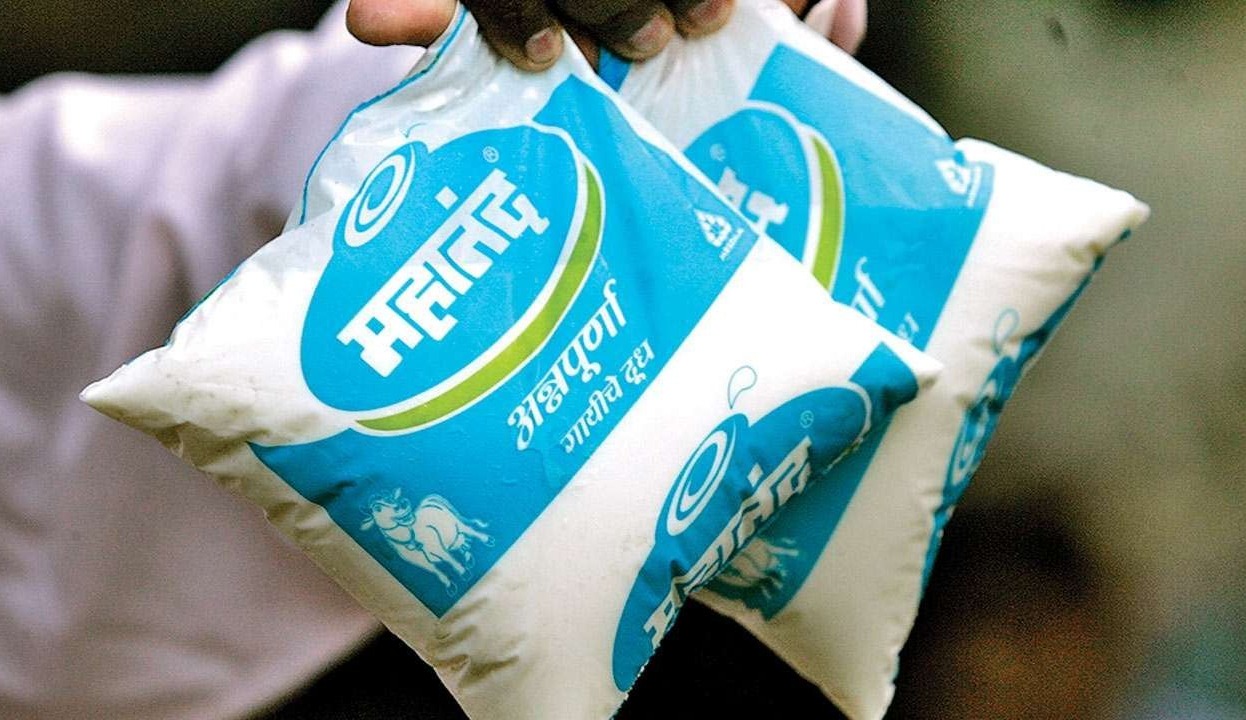
The expanding applications of plastics in industries such as packaging, automotive, construction, and healthcare are propelling this growth. Packaging remains the dominant segment in the Indian plastics market, with the surge in e-commerce significantly increasing the demand for flexible and durable packaging solutions.
In parallel, urbanization and infrastructure development are driving the demand for plastic products used in utilities and housing. Municipal water boards are increasingly adopting corrosion-resistant HDPE piping for sewerage and rehabilitation projects. The healthcare sector also plays a crucial role in this growth, fueled by the rising demand for medical devices and equipment.
Furthermore, government initiatives such as the Production Linked Incentive Scheme (PLI), large-scale infrastructure projects, and a commitment to a circular economy are providing strong support for the market's expansion.
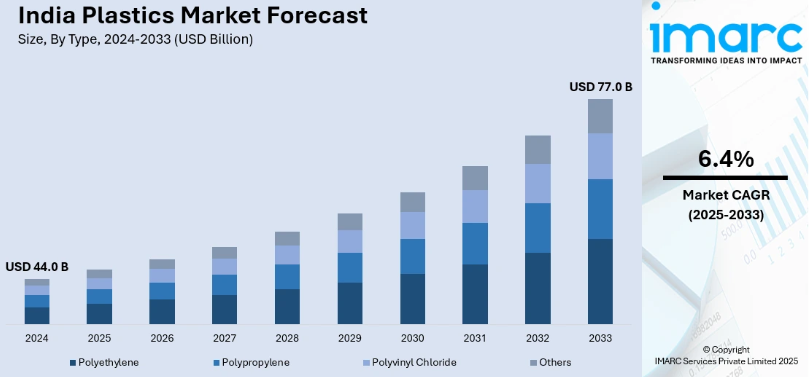
The Indian Plastics Market is projected to grow at a CGAR of 6.4%. (Source: IMARC Group)
Focus on sustainability
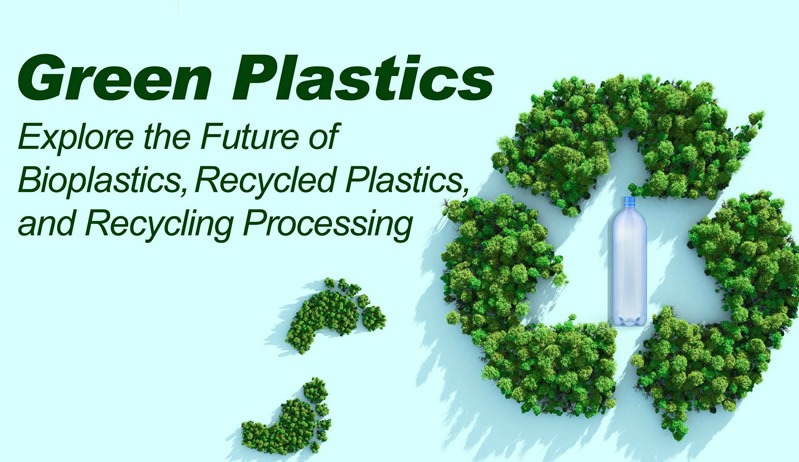
As the world embraces sustainable practices, the Indian plastics industry is aligning with global trends. India’s PET bottle recycling rate has impressively reached 95%. Emerging chemical recycling technologies, particularly in states like Gujarat, are further enhancing sustainability efforts.
The India Plastics Pact aims for 100% of plastic packaging to be reusable, recyclable, or compostable by 2030, with goals of 50% effective recycling and 25% average recycled content across all plastic packaging.
Regional highlights
Western India remains the epicenter of the Indian plastics market, accounting for 47% of polymer consumption in 2024, according to Mordor Intelligence. This dominance is due to the region’s dense petrochemical clusters in Gujarat and Maharashtra, bolstered by coastal logistics and duty-free feedstock zones. The market size in this region is expected to grow at a 10% CAGR.
Southern India is emerging as the fastest-growing region, with a projected CAGR of 11.4% through 2030. States like Tamil Nadu, Telangana, and Karnataka are attracting investments in engineering plastics, medical devices, and electronics assembly. Special Economic Zones (SEZs) around Chennai and Krishnagiri are also drawing automotive component manufacturers, further boosting resin consumption.
Northern and Eastern India are witnessing steady growth, driven by smart-city initiatives in Uttar Pradesh, irrigation upgrades in Bihar, and the development of a petrochemical complex in Paradip, Odisha.
Polymer and processing technology trends
Polyethylene holds the largest market share in the Indian plastics industry, accounting for 34% in 2024, according to Mordor Intelligence. High-density polyethylene is growing faster than low-density grades due to its applications in pipes, caps, and closures. Meanwhile, the biodegradable plastics segment is expanding rapidly, with a projected CAGR of 12.3% by 2030.
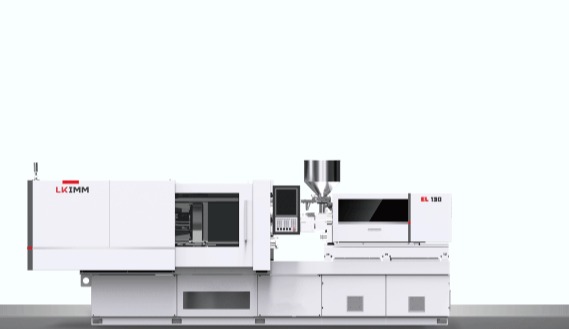
Mordor Intelligence’s report indicates that injection molding represented 36% of installed processing capacity in 2024, driven by demand in automotive, appliance, and consumer goods tooling. Blow molding is also experiencing growth largely supported by the production of single-serve beverage bottles and household cleaners.
The market share for injection-molded parts is expected to remain steady at around one-third through 2030, while blow molding is projected to gain incremental points in personal care and pharmaceutical packaging.
Thermoforming, rotational molding, and compression molding together represent a niche but resilient 10% of processing capacity, serving markets such as ice cream tubs, water tanks, and melamine tableware, respectively.
Way ahead
India’s plastics market is well-positioned for steady growth over the next decade. The increasing demand for high-performance and specialty plastics in the packaging, automotive, construction, and healthcare sectors will continue to propel the industry forward.
As India strengthens its position in global plastics markets, the focus on sustainable practices and circular economy initiatives will ensure that the industry evolves in an environmentally responsible manner.