




















K 2025: New silicone from WACKER rubber insulates busbars in EV batteries

At K 2025, WACKER will unveil the ELASTOSIL R 531/60, a new silicone rubber that reliably insulates busbars in high-voltage batteries of electric cars.
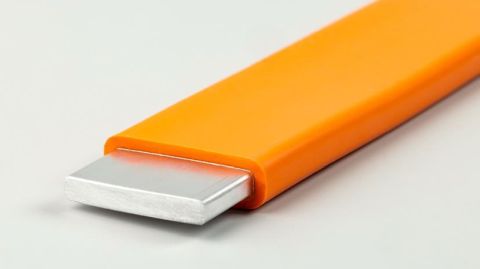
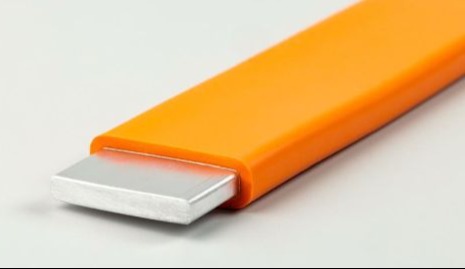
Busbar insulated with ELASTOSIL R 531/60 (orange).
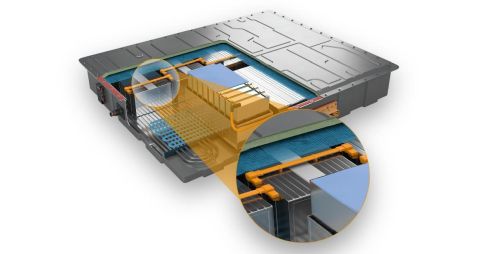
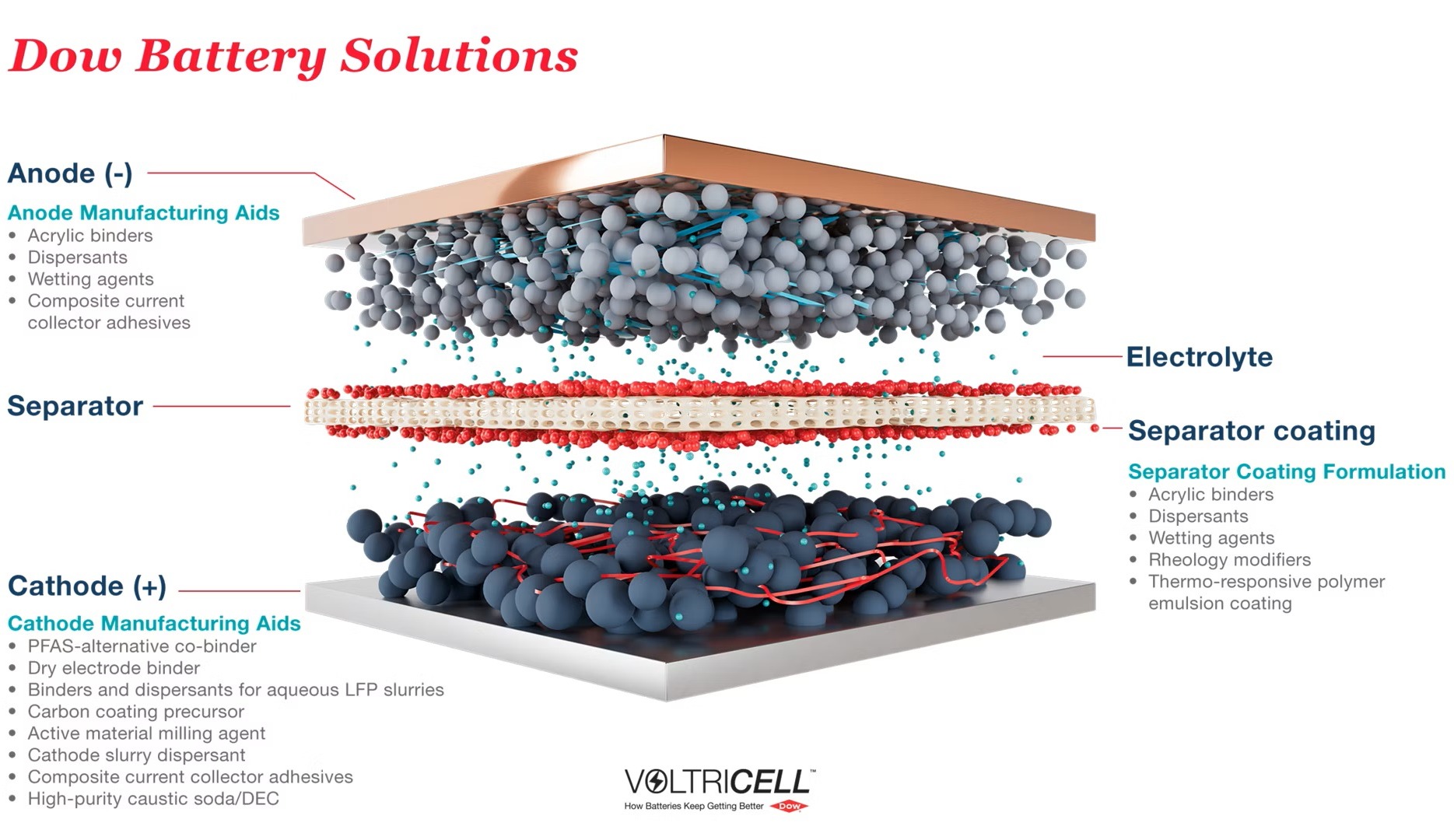
Interior view of a traction battery in an electric vehicle. The enlarged section shows the busbar (orange) insulated with ELASTOSIL R 531/60.
Insulation as key to safe electric cars
For electric cars, the quest for more power, shorter charging ties and longer ranges leads to significantly greater demands in terms of wiring and insulating electrical components. This applies in particular to busbars of traction batteries, which basically are aluminum or copper rails that distribute the current between the battery cells and modules.
As nominal battery voltages in electric vehicles are already in the range of 300 V to 900 V, the reliable insulation of these components is a must.
Reliable solution for busbars
WACKER’s new silicone rubber ELASTOSIL R 531/60 is flame-resistant and reliably prevents leakage currents and energy losses. The insulation remains intact, even at operating temperatures of up to 205°C.
In the event of a fire, the cured rubber forms a solid ceramic material that sheaths the busbar and continues to insulate it electrically, thus reliably preventing short circuits. This protective layer remains intact even at temperatures between 800 and 1000°C.
Extrusion-available and flexible
With a hardness of 60 Shore A, ELASTOSIL R 531/60 can be applied to a busbar by extrusion. The high flexibility and tear strength of the silicone allow busbars to be bent and adapted to the surface structures of the battery without cracking. No fractures or cracks occur even after impact tests.
ELASTOSIL R 531/60 can easily withstand temperature fluctuations and is extremely flexible, even at temperatures down to 40°C, protecting the battery from vehicle body vibrations and impacts.