











From Europe to China: A tale of two plastic recycling markets

From the slowdown of projects in Europe to the accelerated progress in China, the global plastic recycling industry is clearly demonstrating regional differentiation.
In Europe, high costs, weak demand, and structural challenges have hindered the pace of project advancement. In contrast, China is witnessing frequent capital investments and concentrated project launches, fueled by policy support, capital influx, a robust industry chain, and strong market demand.
Major recycling projects suspended
In July, Dow announced the shutdown of three of its upstream assets in Europe, including its cracker at the Böhlen site in Germany. According to a recent report from Platts, Dow and Mura Technology have canceled their plans to build a chemical recycling facility at the same site.
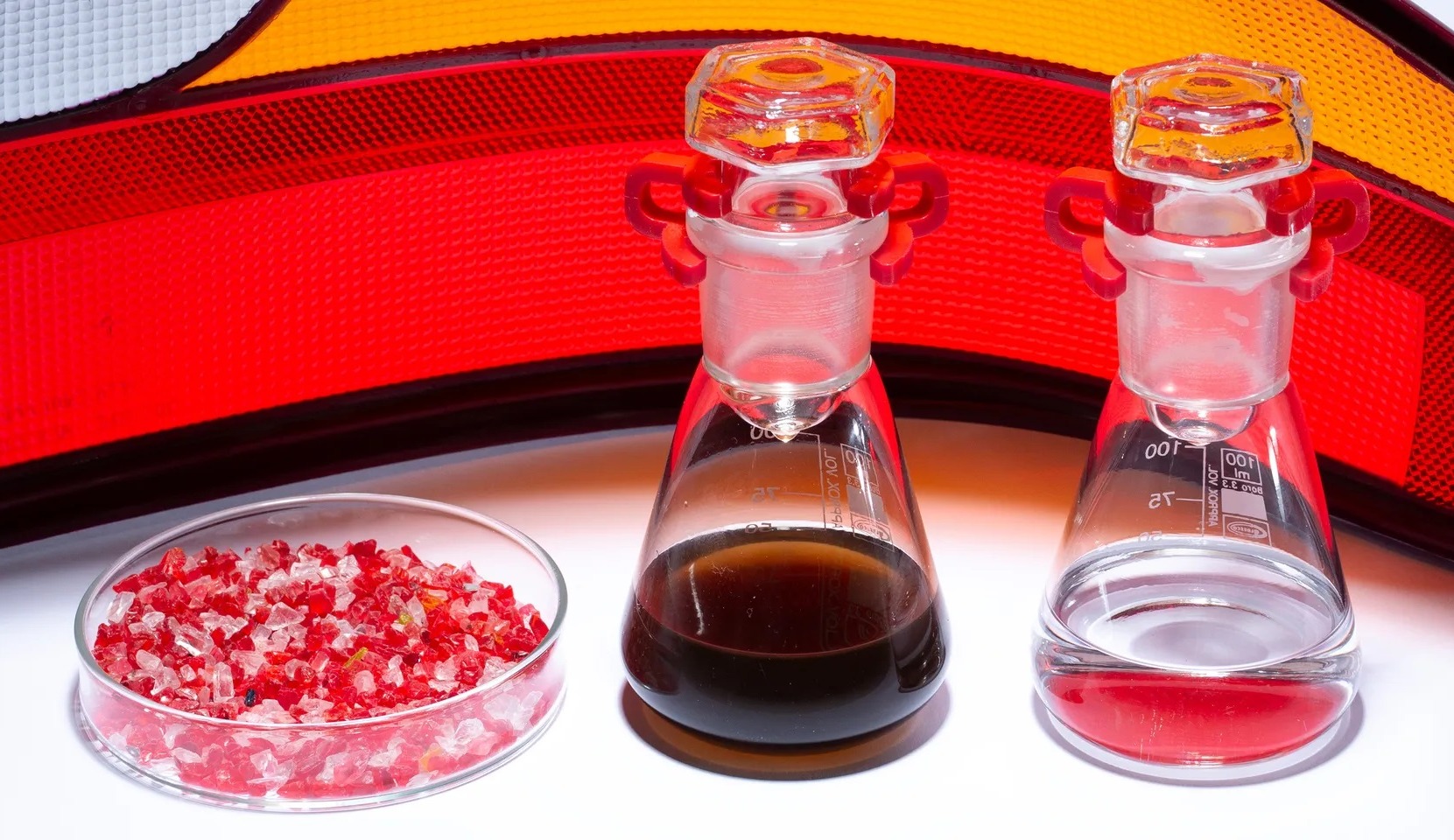
Developed by London-based Mura, the Hydro-PRT technology utilizes supercritical water to convert various forms of plastics, including flexible and multilayer plastics, back into their original oil and chemical forms.
Meanwhile, Borealis has put its major mechanical recycling project at its Schwechat site in Austria on hold. This decision follows an internal assessment indicating that the plant would not meet its target performance under current market conditions.
The plant was intended to utilize Borealis' Borcycle M technology, which transforms post-consumer polyolefin waste into high-performance polymers.
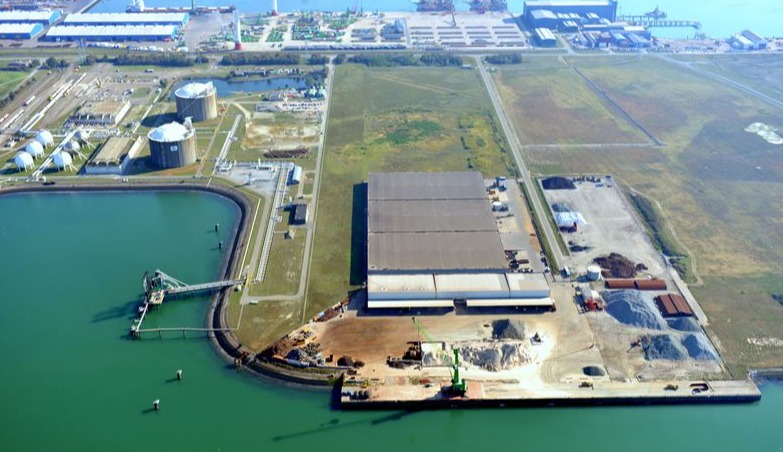
Additionally, Finnish chemical recycler Neste and the Belgian Ravago Group have decided not to proceed with the construction of a chemical recycling facility for mixed plastic packaging waste in Vlissingen, the Netherlands, as the project did not reach final investment decision readiness.
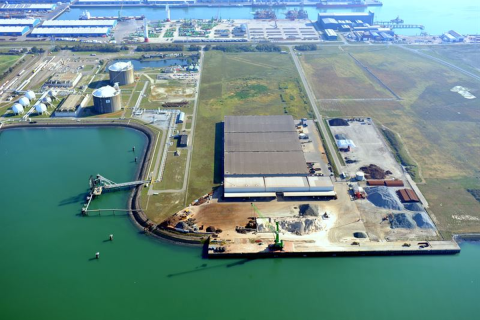
Neste and Ravago Group have decided not to proceed with the chemical recycling project in Vlissingen, the Netherlands.
Europe: High costs and low demand
In Europe, the high costs of energy and raw materials, coupled with sluggish demand growth, have significantly extended the investment return periods for recycling projects. Although the EU is actively promoting a circular economy at the policy level, uneven implementation of subsidy mechanisms, recycling network efficiency, and end-use quotas has affected final investment decisions.
Plastics Recyclers Europe has raised concerns about the unfair competition faced by European plastic recyclers. In May of this year, the association sent a letter to all EU member state governments, indicating that the industry is in a deepening crisis that necessitates political intervention.
The association highlighted that the prices of virgin plastics remain significantly lower than those of recycled materials, while demand for products containing recycled content is weak. Furthermore, competition from third countries, including China, is intensifying.
China: Market accelerates
In contrast to Europe’s recent suspension or cancellation of several plastic recycling projects, China’s plastic recycling industry is ramping up investments and capacity.
In August, Shanghai Yeloworld Technology Co., Ltd. announced the completion of its series B funding, exclusively backed by Kunlun Capital, a subsidiary of China National Petroleum Corporation (CNPC).
Yeloworld revealed that this funding will be used to expand its smart circular packaging operations and upgrade its systems. The company is also intensifying its R&D efforts for green materials aimed at large-scale applications. It has previously attracted investments from companies such as Sinopec and Wanhua Chemical.
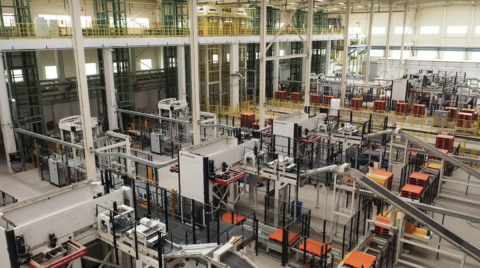
Yeloworld is expanding its circular packaging operations and intensifying its R&D efforts for green materials.
Ingka Investments, the investment arm of Ingka Group, the largest IKEA retailer, has announced a growth capital injection in Shanghai Re-mall Environmental Protection New Material Co., Ltd., a China-based recycler of post-consumer packaging waste. This marks Ingka Investments' first investment in China as part of its Circular Investment portfolio.
Re-mall specializes in recycling post-consumer packaging waste and employs a proprietary technique to produce transparent recycled polypropylene (rPP) for use in new products.
In addition to frequent capital movements, chemical recycling projects are steadily coming online.
Green Harvest Energy (Beijing) Technology Co., Ltd. launched its low-carbon circular materials project in August. The project spans 89 acres, with a total investment of RMB 450 million, and is designed to produce 60,000 tons of plastic oil annually. Once fully operational, it will process over 100,000 tons of plastic waste each year, with an expected annual output value exceeding RMB 400 million.
The surge in capital investment in China's circular economy market and the rapid rollout of projects can be attributed to several factors:
Raw material supply: China produces approximately 62 million tons of plastic waste annually, accounting for one-third of the global total, supported by a stable recycling network.
Policy support: The Chinese government provides clear directions for the recycling industry, with supportive policies such as green finance, tax reductions, and subsidies, reducing investment uncertainty.
Industry chain: China’s industry chain is highly concentrated and mature, facilitating smooth connections from recycling and sorting to processing and application, which enables quicker project implementation and economies of scale.
Consumer demand: The Z generation in China is willing to pay a premium for environmentally friendly products, prompting brands to actively increase the use of recycled materials and creating a top-down driving force throughout the supply chain.
Looking ahead, whether in mechanical or chemical recycling, the maturity of technology, market demand, and the policy environment will continue to be critical factors determining the success or failure of projects. In this context, the global plastic recycling market is set for a new phase of restructuring.