

















All over again, global plastics treaty INC-5.2 ends without agreement

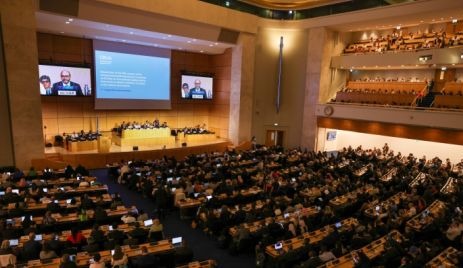
The second part of the fifth session of the Intergovernmental Negotiating Committee to develop an international legally binding instrument on plastic pollution, including in the marine environment (INC-5.2), adjourned on August 15 without consensus on a text of the instrument.
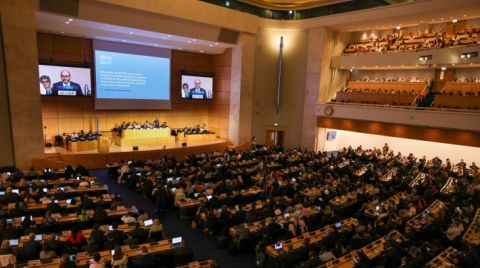
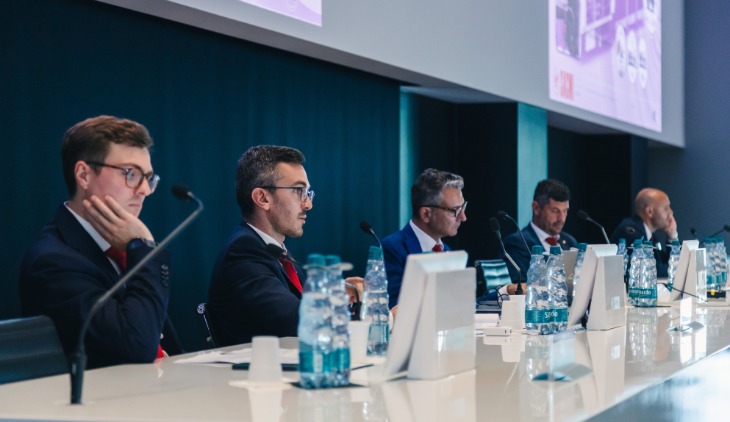
The INC-5.2 adjourned without consensus. (Source: UNEP)
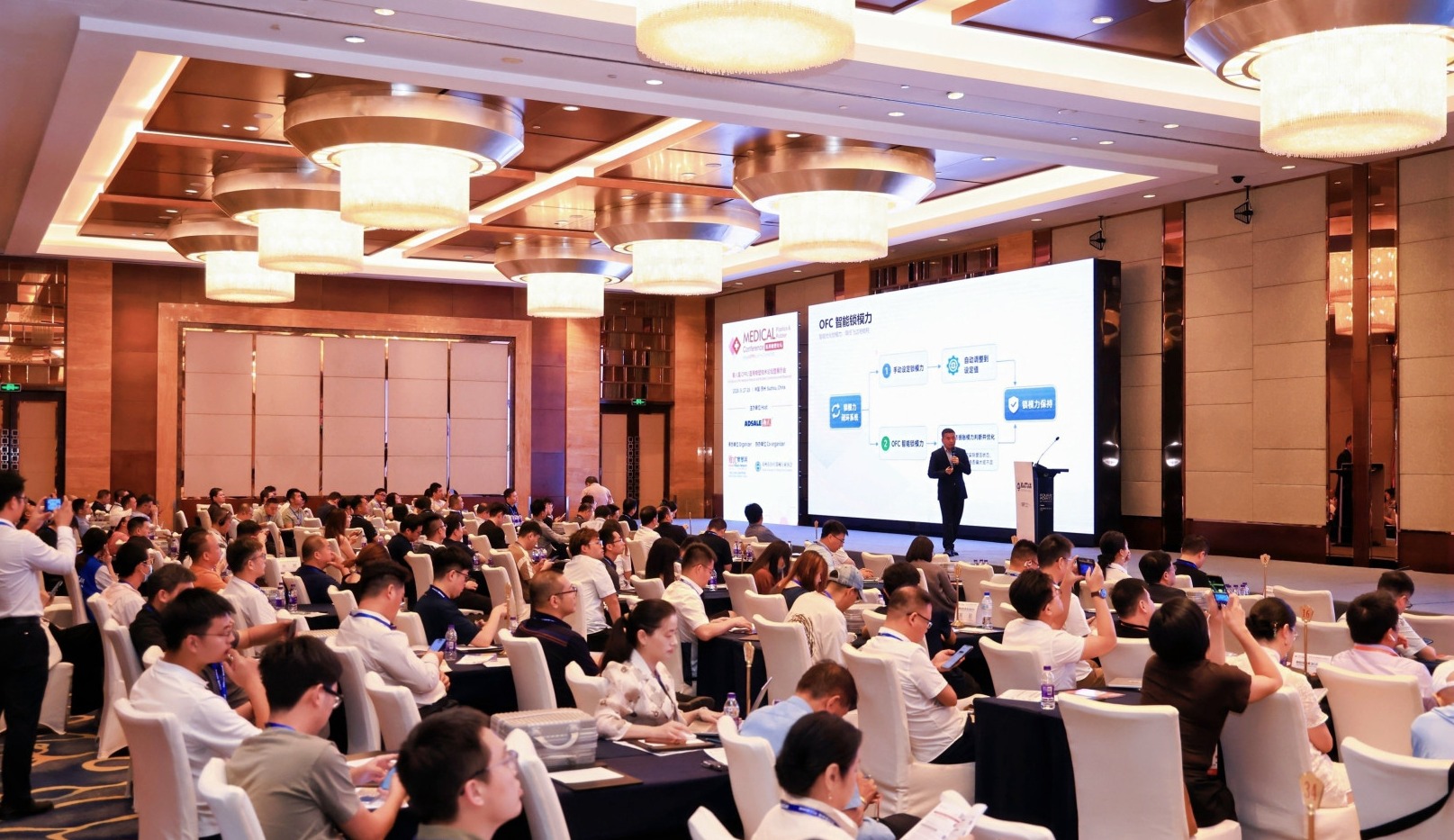
The session was held from August 5 to 14 at Geneva, Switzerland, aiming to finalize and approve the text of the agreement and forward it for consideration and adoption at a future diplomatic conference.
INC-5.2 saw more than 2,600 participants, including over 1,400 Member delegates from 183 countries, and close to 1,000 Observers representing over 400 organizations. Some 70 Ministers and Vice Ministers, as well as 30 other high-level representatives, also held informal roundtables on the margins of the session.
According to the Guardian, the new draft contains one mention of plastic production, in the preamble reaffirming the importance of sustainable plastic production and consumption. An article on production from a previous draft has been removed and there is no mention of chemicals. A reference to the “full life cycle” of plastics in a previous draft has also been removed.
Discussion on the draft treaty remains whether to set production caps and address chemicals used in plastic products, or to focus on waste management, recycling and better design.
Production caps and toxic chemicals control
Almost 100 countries, including Australia, Canada, Mexico and many African and Pacific countries, address plastic problem at source. They have called for legally binding measures to limit plastic production. Many also expressed that toxic chemicals in plastics need to be controlled.
Some countries that call for an ambitious treaty with production reduction target, including Colombia, the EU and the UK, have rejected as “unacceptable” and “unambitious” draft treaty that failed to include production caps and chemicals control in plastic products.
As an observer, Greenpeace also stands for a treaty that addresses production limit and harmful chemicals. “By failing to address production or harmful chemicals in any way, this text glorifies the industry lie that we can recycle our way out of this crisis, ignoring the root cause: the relentless expansion of plastic production,” said Graham Forbes, Greenpeace’s head of delegation.
Better design, recycling and waste management
On the other hand, oil-, gas- and plastics-producing countries, including Saudi Arabia, Russia and Iran, reject a treaty with production caps. Instead, they aim to focus on measures such as better plastic product design, waste management and recycling. This “like-minded group” has been reportedly supported by the US and the chemical industry.
INC-5.3?
“As this session concludes, we leave with an understanding of the challenges ahead and a renewed and shared commitment to address them,” said Jyoti Mathur-Filipp, Executive Secretary of the INC Secretariat. “Progress must now be our obligation.”
The Committee agreed to resume negotiations at a future date to be announced. Will INC-5.3 succeed to reach agreement? We will see.