











Southeast Asia: A rising hub for global plastics industry

Southeast Asia is rapidly establishing itself as a key player in the global plastics industry, leveraging its strategic position within supply chains, a diversified industrial base, and growing demand for sustainable solutions. The region has shown remarkable resilience and adaptability in navigating economic uncertainties, making it a driving force in the plastics industry's development.
Growing significance in global market
The plastics sector in Southeast Asia is experiencing unprecedented growth, driven by a booming manufacturing sector, increasing urbanization, and rising consumer goods demand. The region has successfully positioned itself as a growth engine across various plastics-related industries, including automotive, medical devices, recycling, and bioplastics.
According to Mordor Intelligence, Southeast Asia’s plastics sector is expected to record a turnover of 32 million tons this year, with an annual growth rate of 4%, reaching nearly 39 million tons by 2030. This remarkable trajectory underscores the region’s growing significance in the global plastics market.
Advancing electric vehicle adoption
Southeast Asia is making significant strides in the electric vehicle (EV) market, spurred by policies aimed at reducing carbon emissions and capitalizing on its natural resources and production capabilities. The region’s EV market is projected to grow from US$1.5 billion in 2025 to US$6 billion by 2030, with a compound annual growth rate (CAGR) of 32%, according to Mordor Intelligence
Thailand, often referred to as the “Detroit of Asia”, is leading the charge with ambitious plans to achieve 30% EV production by 2030. The government has implemented attractive incentives, including slashing excise taxes on electric cars from 8% to 2% and offering import duty reductions of up to 40%. These measures have successfully drawn global automakers, such as China’s BYD, which recently opened its first Southeast Asian EV plant in the country.
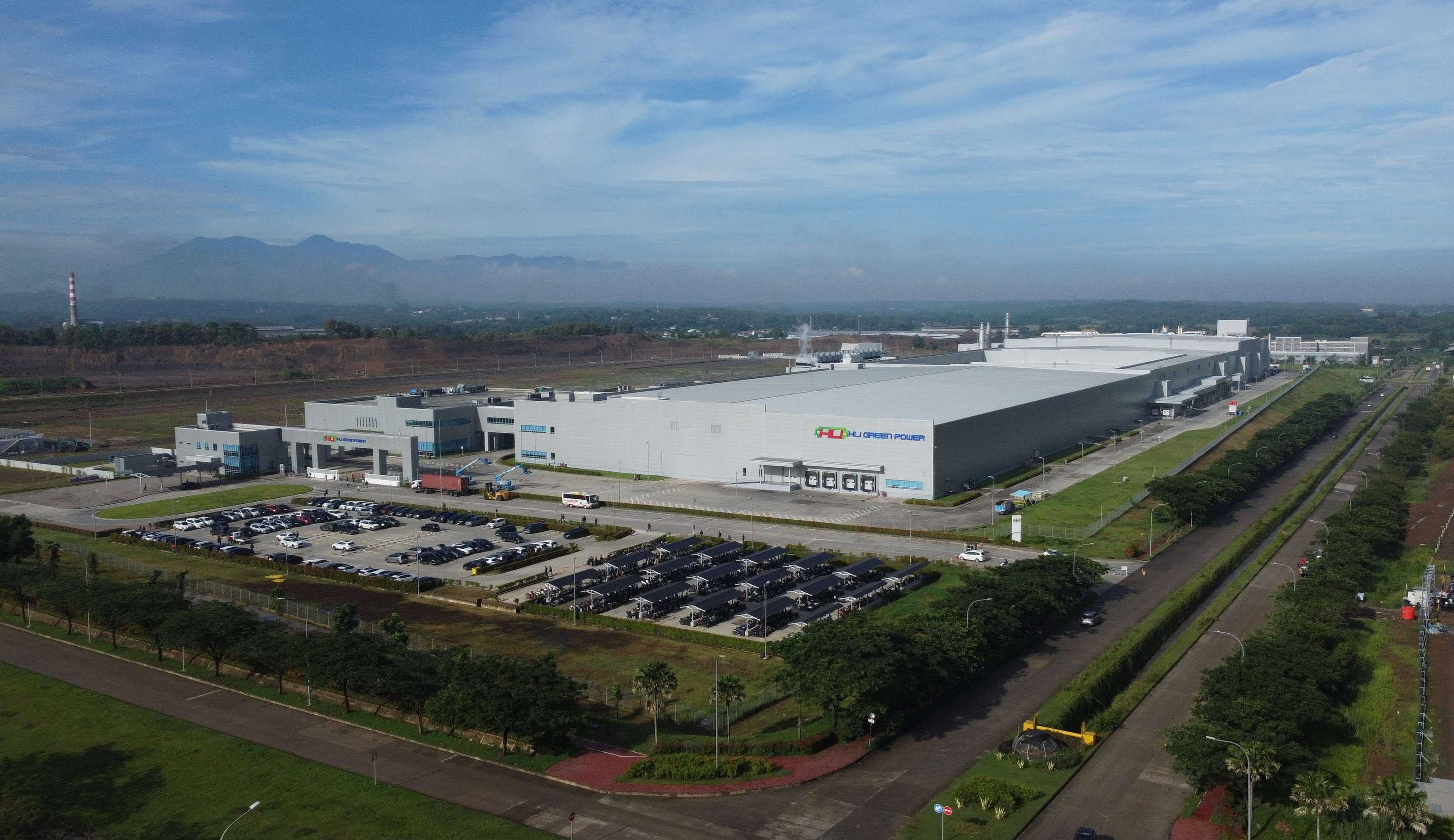
Indonesia, as the world’s top nickel producer, is focusing on EV battery production to solidify its position in the global EV supply chain. In 2024, the country launched its first US$1 billion EV battery plant in Karawang, West Java, with the capacity to power 150,000 EVs annually. By 2030, Indonesia aims to produce 140 gigawatt hours (GWh) of EV batteries.
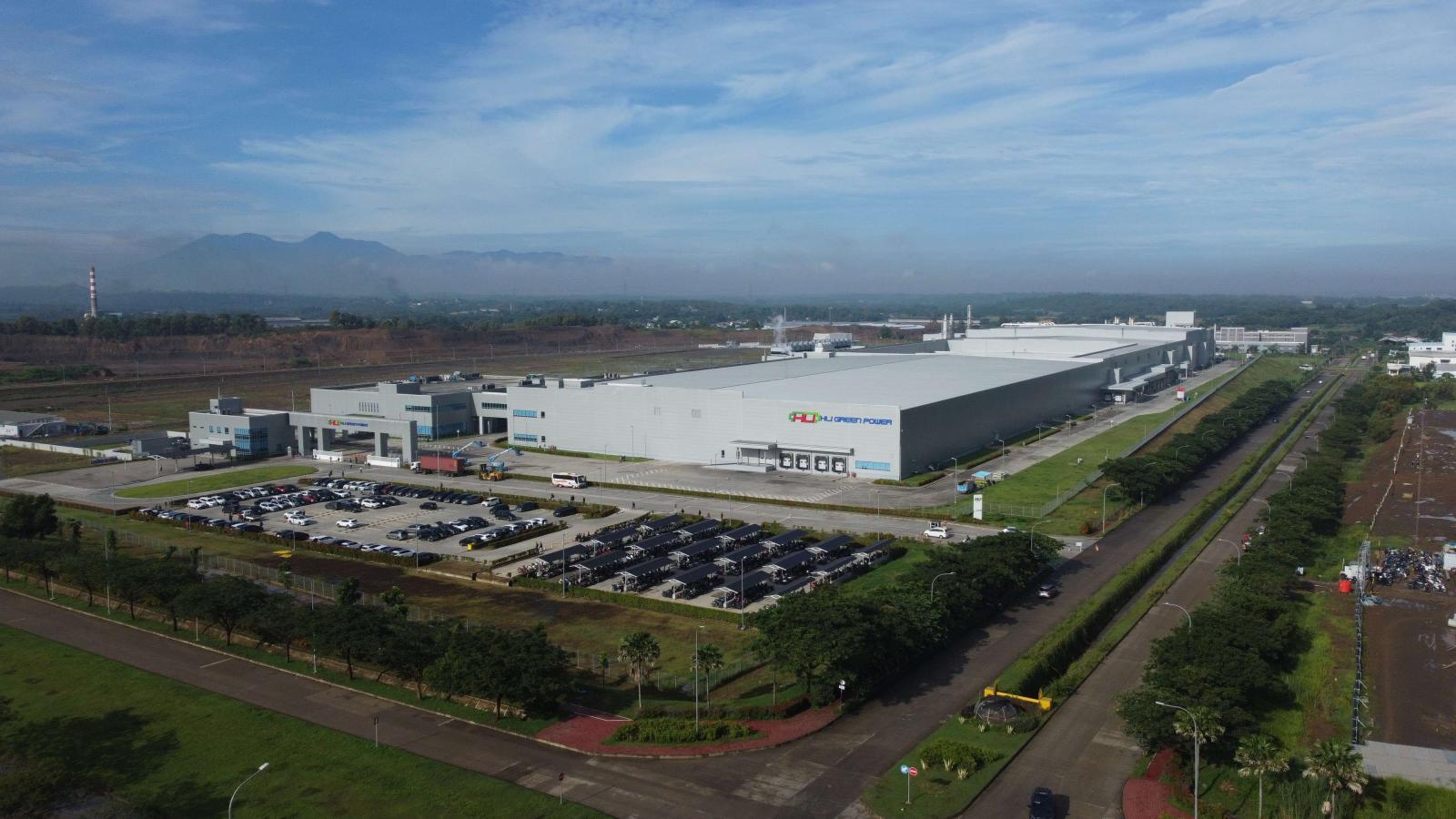
The first EV battery manufacturing plant in Indonesia spans a total area of 320,00sqm. (Source: HLI Green Power)
Neighboring Malaysia has also made notable progress with the launch of its first locally produced battery electric car, the e-Mas, manufactured by national car brand Proton in collaboration with Chinese automaker Geely.
Despite the strong growth potential, Southeast Asia faces challenges such as high battery costs, shortages of skilled professionals, inconsistent charging standards, and electricity grid limitations. Foreign direct investment is seen as a critical driver for overcoming these barriers and accelerating EV adoption across the region.
Expanding medical device manufacturing
The medical devices sector in Southeast Asia is growing rapidly, fueled by rising healthcare needs, an aging population, and technological advancements. Data from Statista projects the market to grow from US$12 billion in 2025 to US$16 billion by 2029, with a CAGR of 7.5%.
Malaysia is emerging as a leader in advanced medical devices, focusing on ultrasound machines, MRI scanners, in-vitro diagnostics, and orthopaedic and dental implants. Vietnam is strengthening its position by investing in facilities that produce plastic-based medical consumables, while Singapore is experiencing accelerated growth due to the government’s focus on enhancing healthcare infrastructure and fostering innovation in medical technology.
Indonesia and the Philippines are concentrating on meeting domestic demand for personal protective equipment (PPE) and other medical supplies.
However, regulatory hurdles, such as Singapore’s recently introduced Cybersecurity Labelling Scheme for medical devices, could increase compliance costs and limit market access for manufacturers.
Pioneering plastic recycling and sustainability
In response to growing environmental concerns, Southeast Asia is making significant strides in plastic recycling and sustainable solutions.
Indonesia, where only 10% of plastic waste is currently recycled, has launched a government-backed US$18 billion strategy to reduce marine plastic waste by 70% between 2017 and 2040. This initiative includes expanding recycling capacity, improving waste collection systems, and boosting disposal infrastructure.
Key projects include PT Alba Tridi Plastics Recycling’s 36,000-ton/year rPET facility and a PET recycling plant in East Java by Danone-Aqua and Veolia. Indorama Ventures is also building a site in Karawang to recycle 2 billion PET bottles/year.
Thailand has a strong demand for recycled plastics and recycling infrastructure, especially in regions like Bangkok, Chon Buri, and Rayong. In Rayong, Indorama Ventures and ALPLA jointly produce 30,000 tons of food-grade rPET and 15,000 tons of rHDPE annually. SCG and Dow are targeting to recycle 200,000 tons of plastic annually by 2030 through advanced sorting technologies.
Meanwhile, Malaysia is focusing on advanced chemical recycling, with Petronas Chemicals Group and Plastic Energy Limited partnering on a plant in Johor expected to process 33 kilotons of end-of-life plastics annually by 2026.
Vietnam, which generates approximately 3.7 million tons of plastic waste annually but recycles only 11%, is scaling up its efforts. Companies like Duytan Recycling and Intco Recycling Resources are expanding their operations, with Vietnam becoming an attractive hub for recycling investments due to its low labor costs, tax incentives, and strategic location.
Leading the charge in bioplastics
Southeast Asia is also at the forefront of bioplastic innovation, with Malaysia and Thailand emerging as regional leaders.
Malaysia has developed bioplastics derived from empty fruit bunches (EFBs) and palm oil waste, including polylactic acid (PLA), polyhydroxyalkanoates (PHA), polysaccharides, and lignin.
Thailand, which exports 90% of its bio-plastics to global markets such as Italy, the Netherlands, China, South Korea, and the US, is scaling up its production capacity to meet rising demand.
Major players in Thailand include TotalEnergies Corbion, which produces sugarcane-based PLA, and NatureWorks, which is building a 75,000-ton/year PLA facility in Nakhon Sawan Province.
In addition, Braskem Siam is touting the production of bio-ethylene and bio-based polyethylene, while PTT MCC has been producing bio-polybutylene succinate (bio-PBS) since 2017.
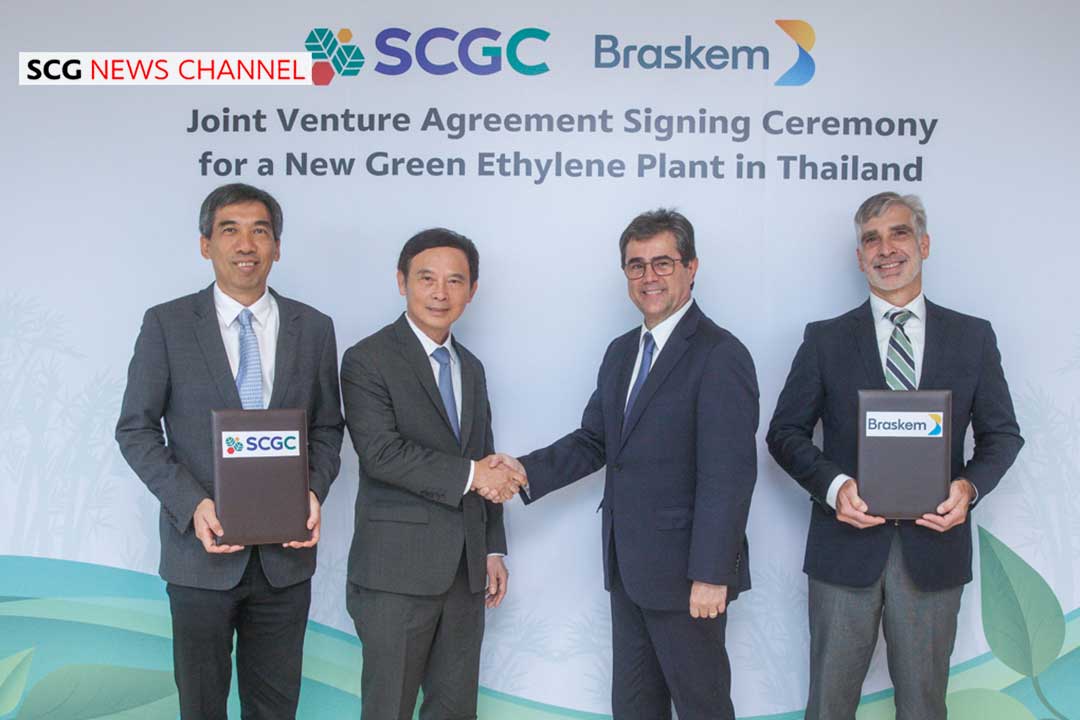
Braskem and SCGC signed JV agreement to produce bio-ethylene from agricultural based ethanol.
Southeast Asia’s global impact
Southeast Asia’s plastics sector is rapidly evolving, not only as a production powerhouse but also as a leader in sustainable and innovative solutions. With significant investments in automotive, medical devices, recycling, and bioplastics, the region is positioning itself as a critical player in shaping the future of the global plastics industry.