







(Interview) Pioneering the future of separator film at Senior Material

In 2008, China broke through foreign technology barriers by producing its first domestically made dry-process lithium-ion battery separator film. By 2013, China achieved another milestone by exporting separator film for the first time, attracting global attention.
In just over a decade, China's lithium-ion battery separator film sector has experienced rapid growth, now supplying approximately 90% of the global market and establishing itself as a technology leader in the worldwide supply chain.
Shenzhen Senior Technology Material Co., Ltd. (Senior Material), recognized as one of the world's top three suppliers of lithium-ion battery separator film and a recipient of the First Class State Science and Technology Progress Award, has played a pivotal role in these advancements.
Recently, Adsale Plastics Network (APN) interviewed Gao Dongbo, Chief Engineer of Senior Material, to discuss the company’s strategy for developing high-performance, high-safety separator film, as well as the industry's outlook in light of surging demand from electric vehicles.
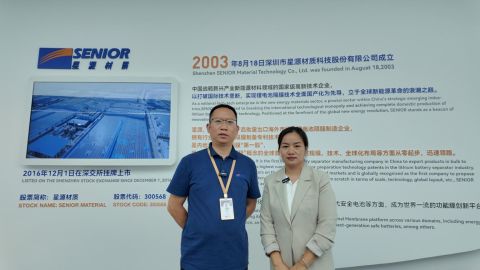
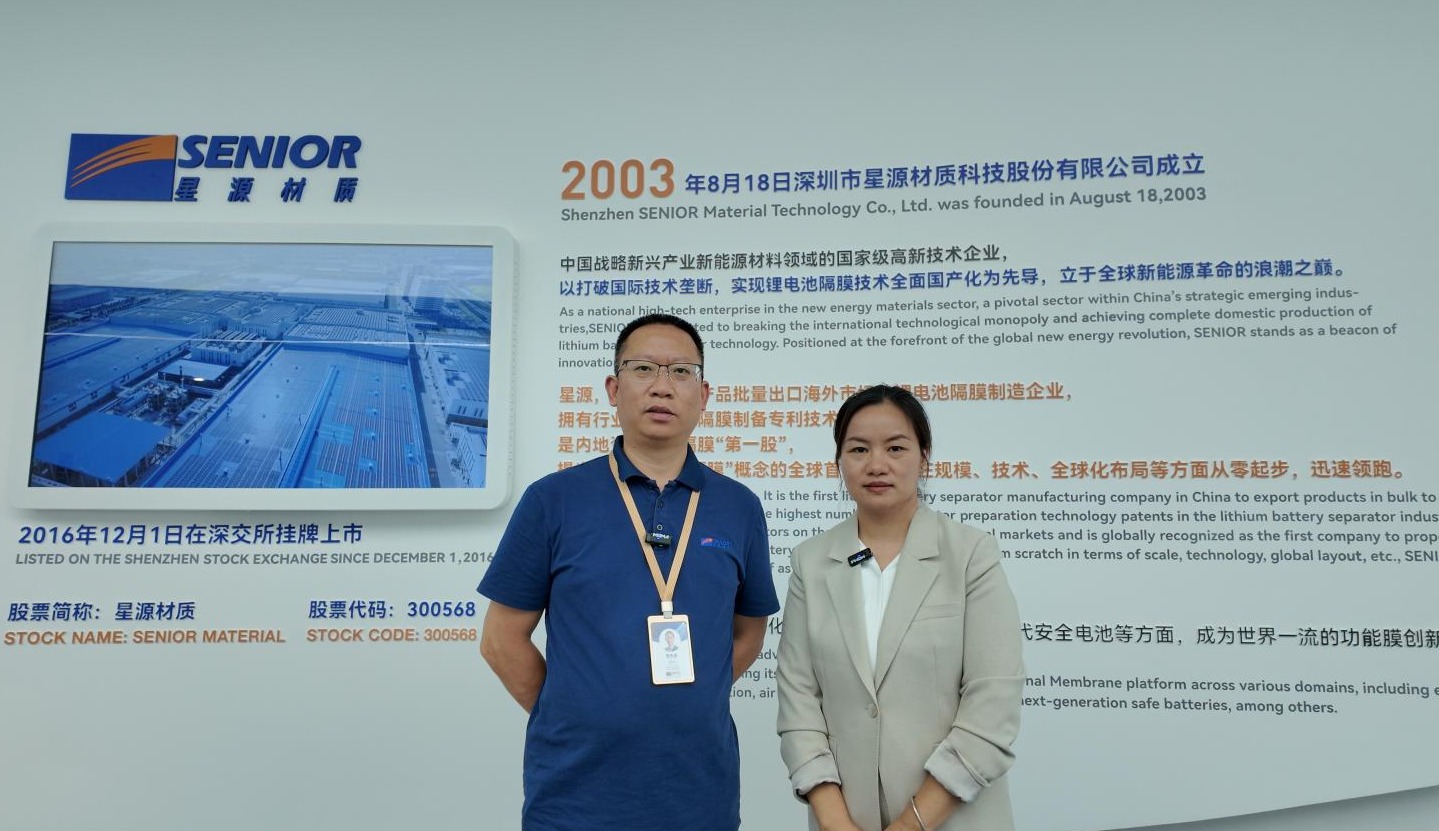
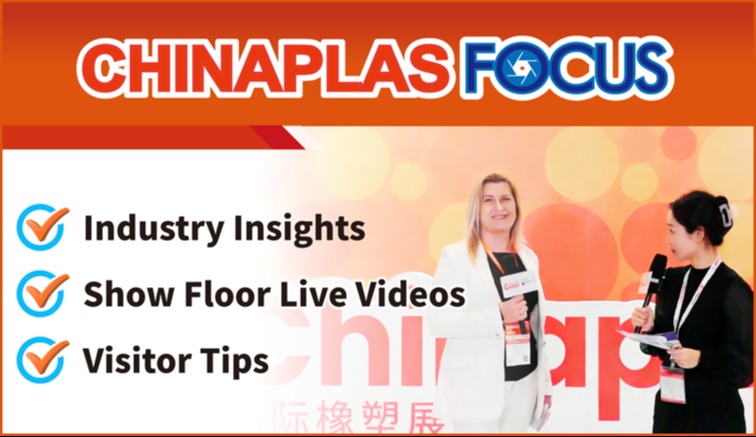
(Left) Gao Dongbo, Chief Engineer of Shenzhen Senior Technology Material Co., Ltd., and Tiffany Zhu, Executive Editor of Adsale Plastics Network.
Company’s role in industry and global expansion
APN: How did the company enter the separator film business?
Gao Dongbo: We started as a distributor of separator film during a time when China relied heavily on imports, primarily from Japanese suppliers. This situation resulted in high prices and limited supply, as the domestic lithium-ion industry was still in its infancy.
Our company founder recognized this opportunity and committed to achieving import substitution through in-house R&D. It was a challenging journey, as key materials, expertise, and equipment were restricted from overseas sources.
After collaborating with universities for five to six years and conducting countless trials, we successfully validated the right material system and manufacturing process.
APN: How do you see the company’s role in the industry?
Gao Dongbo: We envision Senior Material as both a technology driver and a connector throughout the value chain.
Upstream, we collaborate with raw material and equipment suppliers to elevate standards through rigorous specifications. Our base materials consist of polyolefins, specifically polyethylene (PE) and polypropylene (PP), along with chemical auxiliaries such as paraffin oil and extraction solvents.
Through core processes that include the dry process, wet process, and high-performance coatings, we produce separator films that deliver high tensile strength and excellent thermal stability.
We are approaching 50% domestic sourcing for materials, and while we initially depended on imports for equipment, we are now in the process of localizing critical systems, though mainstream production lines still primarily come from Japan and Germany.
Downstream, we offer customized separator film solutions that empower our customers to enhance energy density and safety, strengthen supply chain resilience, and drive product upgrades through continuous innovation.
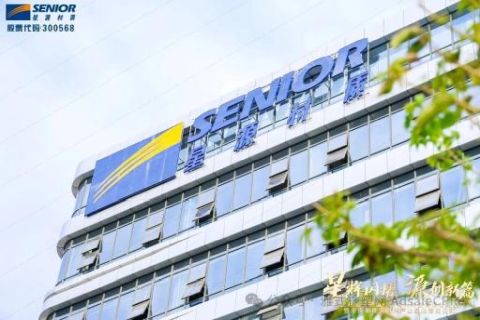
Senior Material is a technology driver in the lithium-ion battery separator film sector.
APN: What impacts do you expect from the new plants in South China and Malaysia planned for 2025?
Gao Dongbo: Our South China facility is strategically located in the Greater Bay Area, a major battery manufacturing hub. This proximity to key customers such as BYD, EVE Energy, and Sunwoda allows us to shorten delivery routes, accelerate response times, and reduce costs, all thanks to a well-established regional supply chain.
The plant in Malaysia represents a crucial step in our globalization strategy. It brings us closer to international customers, mitigates trade-related risks, and enhances our global delivery capabilities. This facility is an important pillar of our worldwide presence.
APN: What stage has Senior Material reached in its international expansion?
Gao Dongbo: We have entered a phase of deep global operations. We are transitioning from simple exports to a more integrated model that encompasses overseas manufacturing, localized service, and globally coordinated R&D. Currently, we operate multiple sites in the United States, Sweden, and across ASEAN.
APN: What are the major takeaways and challenges from going overseas?
Gao Dongbo: Localization and cultural integration are essential. The biggest challenges we face include integrating overseas supply chains, particularly securing support from local raw material suppliers, cultivating core technical talent abroad, and balancing technology leadership with operational efficiency in diverse markets. I believe our guiding principles should focus on mutual respect and shared growth.
Technological innovation and second growth curve
APN: Senior Material has launched the world’s first “concrete-like” nanofiber composite separator film and aramid-coated separator film. What R&D capabilities made this possible?
Gao Dongbo: It all comes down to our hardware, team, and organizational system. Our R&D investment has consistently exceeded 5% of the company’s revenue. We hold over 900 patent families and operate six research centers globally. Our core team encompasses experts in materials science, chemical engineering, and equipment engineering.
We prioritize fundamental research and foster collaboration between industry and academia, emphasizing rapid scale-up from the laboratory to mass production. Our innovation philosophy is “one step ahead, constantly ahead”.
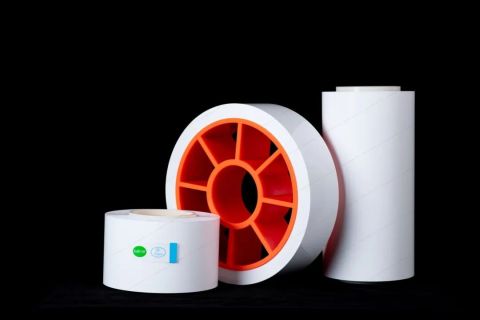
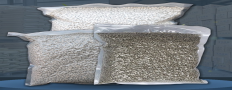
Lithium-ion battery separator films manufactured by Senior Material.
APN: How do you balance long-term R&D with short-term returns?
Gao Dongbo: We manage our efforts across three horizons: mature technologies secure cash flow, production-ready technologies drive mid-term growth, and advanced research lays the groundwork for future platforms. This approach keeps our current products competitive while preparing for the next generation. In turn, short-term returns support long-term investment and create a positive feedback loop.
APN: What is the company’s "moat"? Where will the second growth curve come from?
Gao Dongbo: I believe our moat lies in technology leadership, scaled manufacturing, and a high-quality global customer base. These elements reinforce each other and enhance our competitive advantages.
Beyond lithium-ion battery separator films, we have developed a pipeline in solid-state battery materials, hydrogen energy materials, and specialty polymer membranes. Over time, these innovations will drive our next growth curve.
Technology trends and market landscape
APN: What will be the next generation of technology for lithium-ion battery, and how is Senior Material preparing?
Gao Dongbo: Solid-state battery is widely regarded as the next major technological breakthrough. For Senior Material, the opportunities outweigh the challenges. We have taken early steps in enabling technologies, including semi-solid electrolyte membrane, all-solid-state electrolyte material, and rigid scaffold support film.
The potential lies in the technological complexity and scaling challenges of solid-state systems, which require membranes with high heat resistance and high ionic conductivity. Senior Material is among the first companies to supply separator films for semi-solid batteries at mass volume.
The challenge lies in the uncertainty surrounding the commercialization timeline. Therefore, we will continue to invest in sustained R&D and work closely with battery manufacturers to align our technical readiness with market development.
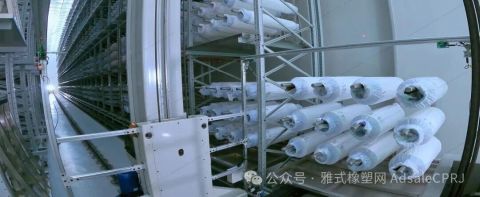
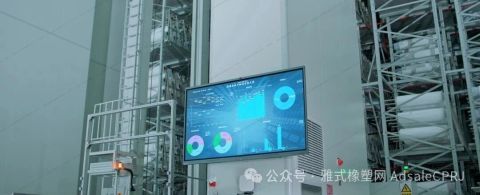
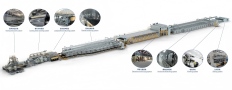
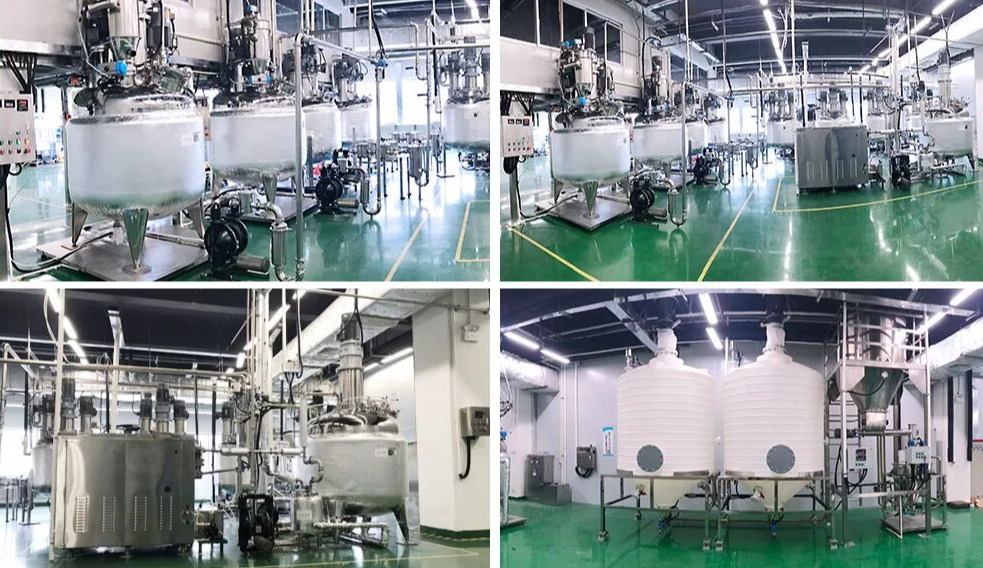
Shop floors at Senior Material’s smart factories.
APN: Beyond solid-state battery, what other development trends do you see for separator film?
Gao Dongbo: The main trends include enhanced safety, improved performance, functionalization, and thinner gauges. Our top priorities are safety and compatibility. The adoption of safety-enhanced, high-performance coated separator films is expected to rise, featuring products such as aramid, polyimide (PI), nanofiber, and ceramic coatings.
These coatings increase the onset temperature for thermal deformation and improve dimensional stability. For example, para-aramid-based separator films can withstand temperatures around 400°C, significantly enhancing thermal safety. Meanwhile, the commercialization of solid-state battery is also accelerating.
APN: How will the competitive landscape for separator film change over the next 5 to 10 years?
Gao Dongbo: The market will continue to consolidate over the next five years. Companies that combine technological capability, manufacturing scale, and a strong customer portfolio will expand their market shares through product innovation, cost control, and a global network.
The lithium-ion battery industry has maintained a compound annual growth rate (CAGR) of about 30% in recent years, with rapid technological advances continually raising the performance bar for separator films. China now accounts for roughly 70% of global lithium-ion battery capacity, which has accelerated both the growth of separator films and market consolidation.
We anticipate structural overcapacity overall, paired with tight supply at the higher end of the market. For small and medium-sized enterprises, competitiveness will depend on having a credible technology pipeline, an experienced core team, and a high-quality customer base.
Moreover, supply chains are becoming more regionalized, making localized capacity in Southeast Asia, Europe, and the United States critical for success in the next phase.